forgemax.FORGED. TESTED. PROVEN.
Peg MGF 5mg/vial 1 Vial by Bio-Peptide
Lab Tested

Peg MGF 5mg/vial 1 Vial by Bio-Peptide

5 (2 reviews)

PEG-MGF (PEGylated Mechano-Growth Factor) is an extended-acting synthetic analogue of the exercise-induced IGF-1 splice variant, supplied here by Bio-Peptide as a lyophilised 5mg research peptide per vial. The PEGylation process attaches polyethylene glycol chains to the native MGF sequence, dramatically prolonging circulatory half-life from minutes to several days and broadening systemic distribution to satellite cells across multiple muscle groups simultaneously. Quality is enforced at two independent checkpoints — HPLC sequencing for purity confirmation and a LAL endotoxin assay for sterility — both externally commissioned and batch-documented before any vial is cleared for release.

€32.00Free shipping on orders over €300
In stock
Ships within 48 h Lab-tested batch
  • Extends Mechano Growth Factor circulatory half-life to 48–96 hours via PEGylation chemistry
  • Stimulates satellite cell proliferation across multiple muscle groups in a single injection
  • Targets the exercise-induced IGF-1 splice-variant pathway for repair-phase support
  • Provides systemic reach that unmodified MGF cannot achieve due to rapid plasma degradation
  • Supplied as a lyophilised powder for stable ambient transport and precise reconstitution
  • Every vial batch cleared by independent HPLC sequencing and LAL endotoxin assay
  • Activates the satellite cell cycle upstream of general IGF-1 receptor signalling

Key takeaways

  • Understand that PEGylation extends MGF half-life from minutes to 48–96 hours.
  • Inject PEG-MGF within 60 minutes post-training to align with peak satellite-cell signalling.
  • Reconstitute with bacteriostatic water; refrigerate and use within 28 days.
  • Verify every batch via independent HPLC and LAL documentation before use.
  • Combine with resistance training stimulus — PEG-MGF amplifies exercise-induced repair, not baseline anabolism.

Mechano Growth Factor and the Logic of PEGylation

PEG-MGF is a chemically stabilised derivative of Mechano Growth Factor (MGF), itself a splice variant of IGF-1 that skeletal muscle tissue produces locally in direct response to mechanical overload — meaning intense resistance training is the physiological trigger that initiates native MGF expression. Where native MGF degrades within minutes in plasma, PEG-MGF retains biological activity for 48–96 hours post-injection, a difference attributable entirely to the polyethylene glycol chain that shields the peptide from enzymatic cleavage. That extended window allows a single subcutaneous administration to reach satellite cells in muscle groups that were not directly loaded during the training session — a systemic reach that unmodified MGF cannot achieve.

How PEG-MGF Activates Satellite Cells for Muscle Repair

Satellite cells are quiescent muscle stem cells that proliferate and fuse into damaged myofibers following mechanical trauma. PEG-MGF binds to the MGF receptor domain on these cells, stimulating entry into the cell cycle and accelerating the proliferative phase of muscle repair. Research data suggest that MGF-derived signalling increases satellite cell mitotic activity by a measurable margin compared to baseline IGF-1 signalling alone, because the E-domain peptide unique to MGF carries a distinct receptor-binding action independent of the shared IGF-1 receptor pathway. Compared to standard IGF-1 LR3, PEG-MGF operates upstream in the repair cascade — focusing on satellite cell recruitment rather than downstream anabolic protein synthesis.

Analytical Standards Applied to This Vial

Bio-Peptide subjects every PEG-MGF batch to independent HPLC (High-Performance Liquid Chromatography) analysis, which verifies molecular sequence integrity and registers a purity percentage against reference standards. A parallel LAL (Limulus Amebocyte Lysate) endotoxin test confirms sterility before any batch is authorised for labelling. Both analyses are contracted to third-party laboratories operating under GMP frameworks, and batch-specific documentation accompanies every release — a requirement embedded in Bio-Peptide's production workflow as a non-negotiable precondition, not a post-market option.

Usage

  1. Calculate your target dose in mcg and determine the corresponding volume based on your reconstitution concentration (e.g., 200 mcg from a 2.5 mg/ml solution = 0.08 ml).
  2. Wipe the vial rubber stopper with an alcohol swab and allow it to dry for 10 seconds before needle insertion.
  3. Draw the calculated volume into a 29–31 gauge insulin syringe, tapping gently to displace any air bubbles before expelling them.
  4. Select a subcutaneous injection site — abdomen or upper thigh — and clean the skin with a fresh alcohol swab; rotate sites across sessions.
  5. Administer the injection within 30–60 minutes after completing a resistance training session, as this window aligns with peak satellite-cell responsiveness to mechanical-overload signalling.
  6. Cap the used syringe immediately, dispose via a sharps container, and return the reconstituted vial to refrigeration at 2–8 °C; log the date of each administration to track within the 28-day use-by window.

Warnings

Contraindications: PEG-MGF is a research peptide not approved for human therapeutic use by the FDA, EMA, or equivalent regulatory bodies. It must not be used by individuals under 18, those with active or suspected malignancies (growth factor signalling may stimulate tumour proliferation), pregnant or breastfeeding individuals, or persons with known hypersensitivity to polyethylene glycol excipients.

Side Effects: Reported adverse observations in research contexts include transient injection-site redness and oedema, potential water retention at pharmacological doses, and hypoglycaemia risk when co-administered with insulinotropic compounds. Systemic immune responses to PEG polymer chains (anti-PEG antibodies) have been documented in the clinical literature on PEGylated therapeutics and should be considered.

Monitoring: Blood glucose should be monitored when PEG-MGF is combined with GH secretagogues or exogenous insulin. IGF-1 serum levels provide an indirect proxy for downstream signalling activity and should be checked at baseline and mid-cycle. Any unusual swelling, persistent injection-site reaction, or signs of systemic inflammation warrant immediate discontinuation.

PCT: PEG-MGF does not directly suppress the hypothalamic-pituitary-gonadal axis; formal post-cycle therapy targeting LH/FSH recovery is not required for PEG-MGF alone. However, when stacked with androgens or GH peptide blends, standard PCT protocols appropriate to those compounds remain applicable.

Frequently asked questions

What exactly is Mechano Growth Factor and how does it differ from IGF-1?
Mechano Growth Factor (MGF) is a splice variant of IGF-1 that the body generates locally within mechanically stressed muscle tissue — not a systemic hormone, but a locally expressed repair signal. Its E-domain peptide sequence differs from standard IGF-1, giving it a distinct receptor-binding profile focused on satellite cell recruitment rather than general anabolic signalling. In short: MGF is exercise-triggered, localised, and repair-specific, whereas IGF-1 is systemically circulating and broadly anabolic.
How long after a workout should PEG-MGF be injected for optimal satellite cell activation?
Most research protocols position PEG-MGF injection within 30–60 minutes post-training, the window during which mechanical overload signalling is at its peak and satellite cells are transitioning from quiescence toward activation. Because PEG-MGF's half-life extends to 48–96 hours, a single post-workout injection can sustain receptor engagement well into the multi-day recovery period, covering repair phases that a rapidly degrading native MGF molecule would miss entirely.
What does PEGylation do to the MGF peptide and why does it matter?
PEGylation attaches polyethylene glycol chains to the MGF peptide backbone, physically blocking proteolytic enzymes from cleaving the sequence in plasma. The result is a half-life extension from roughly 2–5 minutes (native MGF) to approximately 48–96 hours (PEG-MGF), verified in pharmacokinetic studies on PEGylated peptides. This matters because it converts a locally acting, rapidly cleared molecule into a systemically distributed repair signal capable of reaching satellite cells in muscle groups beyond the directly trained area.
How do you reconstitute and store the Bio-Peptide PEG-MGF 5mg vial?
Reconstitute the lyophilised powder by injecting bacteriostatic water slowly down the vial wall — avoid vortexing or shaking, which can denature the peptide. A common reconstitution volume is 1–2ml, producing a 2.5–5mg/ml solution. Store the sealed lyophilised vial at 2–8 °C refrigerated, or at −20 °C for long-term archival. Once reconstituted, keep the solution refrigerated at 2–8 °C and use within 28 days; do not freeze a reconstituted solution.
What syringe type is recommended for injecting reconstituted PEG-MGF?
Insulin syringes (29–31 gauge, 0.3–1ml capacity) are standard for subcutaneous PEG-MGF administration because they allow precise micro-volume dosing and minimise injection site trauma. Draw the calculated dose slowly, expel air bubbles by gently tapping the barrel, and inject subcutaneously into the abdominal or upper-thigh region. Rotate injection sites across sessions to prevent localised irritation or lipodystrophy from repeated puncture at the same site. (2) angle_used

Manufacturer

Bio-Peptide's entry into the research-peptide market was structured around a principle its founders chose to encode directly into the production release sequence — not as a compliance gesture, but as the literal criterion that determines whether a batch exists commercially at all: two independently sourced laboratory analyses must be completed and documented before a vial can carry the Bio-Peptide name. For PEG-MGF specifically — a chemically modified peptide where PEGylation chemistry introduces additional structural variables beyond the raw amino acid sequence — that two-step framework carries particular weight. The first analysis is HPLC (High-Performance Liquid Chromatography), contracted to a third-party laboratory and tasked with resolving the peptide's molecular architecture against reference standards to confirm both sequence fidelity and acceptable purity. The second is a LAL (Limulus Amebocyte Lysate) endotoxin assay, which detects gram-negative bacterial contamination at a sensitivity level appropriate for injectable research compounds. Both tests generate batch-specific documentation that accompanies the product record — a paper trail that is not optional or selective but structural to Bio-Peptide's release criteria. That constraint was built into the company before it reached any meaningful market scale, which means it predates the commercial incentives that might otherwise have encouraged shortcuts.

Product details

BrandBio-Peptide
Active ingredientpeg-mgf
Also known asPEG-MGF, pegyliertes MGF, Peg MGF, Bio-Peptide PEG-MGF
Strength5 mg
FormVial
Pack size1 piece
Item numberPEPT-PEGM-BIO-001

Reviews

5/5

2 reviews

  • Rating: 5 out of 5 starsice56Verified purchase

    Best peptide I've used

    Peg MGF at 200mcg twice a week for 8 weeks. The systemic action is something else compared to regular MGF. Put on about 4kg lean over the cycle, kept most of it after. Reconstitutes perfectly, no floaters, no cloudiness. Packaging was discreet, arrived in 6 days. Chuffed with this purchase.

  • Rating: 5 out of 5 starsninja37Verified purchase

    Noticeable muscle fullness

    400mcg split twice weekly for 10 weeks. Weighed 89kg at start, finished at 93kg with visibly better conditioning. Recovery between sessions dropped dramatically, could train 5 days a week without feeling wrecked. Zero PIP, pinned subq. Reorder already placed.

Write a review

Your rating *

Your review will be checked before publication.

Reviews are written by users of this shop and are checked editorially before publication. Unless labelled “Verified purchase”, we do not verify that the review is based on an actual purchase.

Similar products

PEG MGFPharma Grade

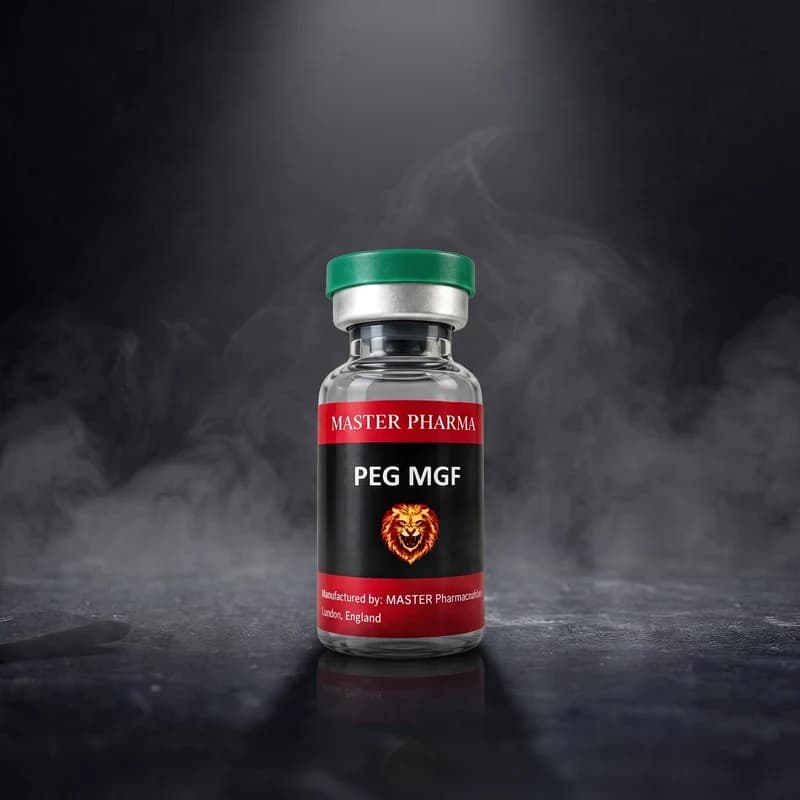
PEG MGF 2mg/vial 1 Vial by Master Pharma

€30.00
PEG MGFBatch Tested

PEG MGF 10mg/vial 1 Vial by Master Pharma

€32.00

Stack it with

Pairs well with these products.

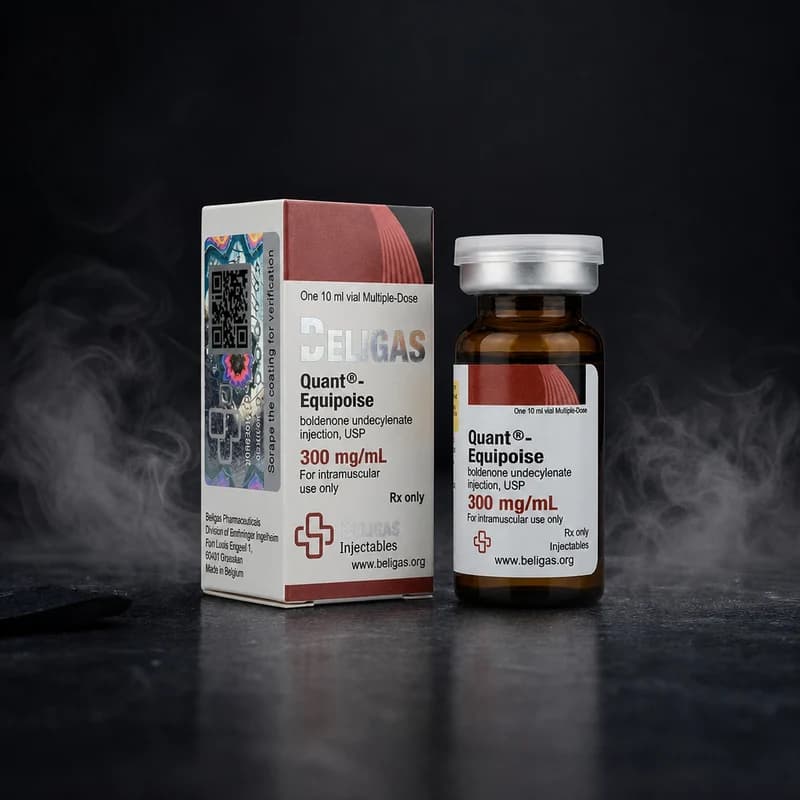
Quant-Equipoise 300mg/ml 10ml Vial by Beligas PharmaceuticalsHigh Concentration

Quant-Equipoise 300mg/ml 10ml Vial by Beligas Pharmaceuticals

€47.00
Bolden-250 250mg/ml 10x1ml Ampoules by BM PharmaceuticalsLong-Acting Formula

Bolden-250 250mg/ml 10x1ml Ampullen by BM Pharmaceuticals

€48.00
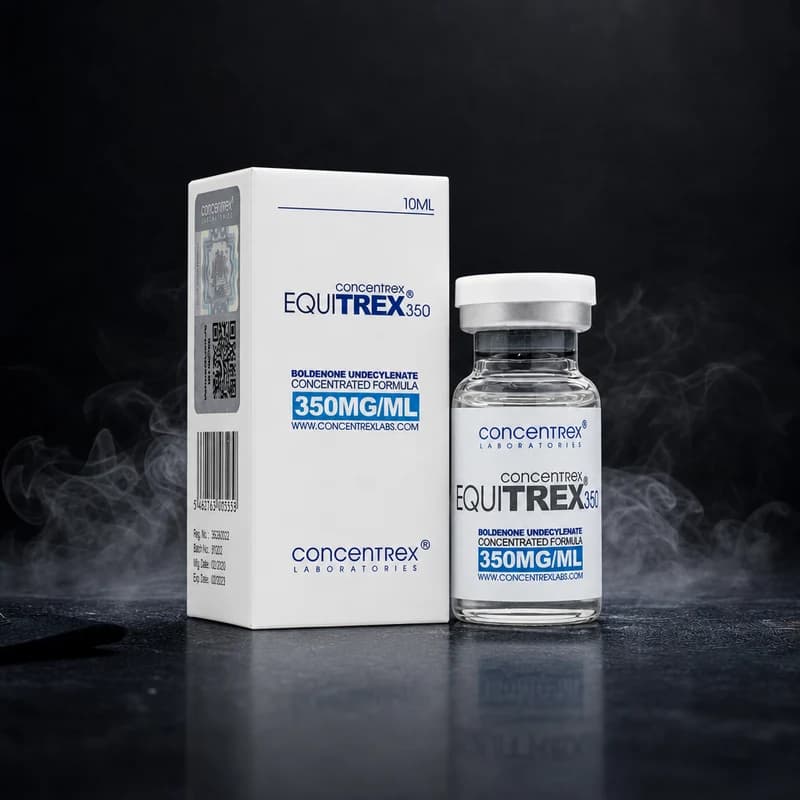
EquiTrex 350mg/ml 10ml Vial by Concentrex LabsBrand Quality

EquiTrex 350mg/ml 10ml Vial by Concentrex Labs

€52.00
EQ 300 300mg/ml 10ml Vial by Dragon-PharmaPro Choice

EQ 300 300mg/ml 10ml Vial by Dragon-Pharma

€44.00