forgemax.FORGED. TESTED. PROVEN.
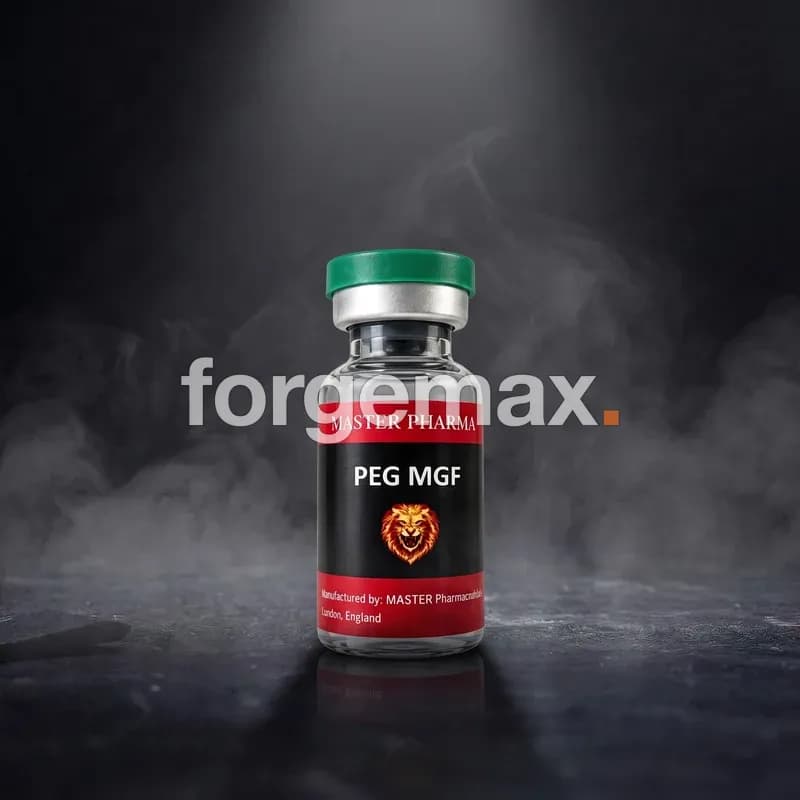
PEG MGF 2mg/vial 1 Vial by Master Pharma
Pharma Grade

PEG MGF 2mg/vial 1 Vial by Master Pharma

Master Pharma PEG MGF is a PEGylated Mechano-Growth Factor lyophilisate supplied as 2 mg of active peptide per vial, engineered for subcutaneous administration following precise aqueous reconstitution. Because the dry powder format demands correct bacteriostatic-water dilution, refrigerated storage and insulin-syringe technique to maintain peptide integrity, this product serves as both a performance compound and a practical primer in peptide handling. Quality is confirmed lot-by-lot: each batch undergoes HPLC potency verification and LAL endotoxin testing under Pharma Grade GMP conditions before release.

€30.00Free shipping on orders over €300
In stock
Ships within 48 h Lab-tested batch
  • Extended circulatory presence (~24–48 hours) reduces injection frequency compared to unmodified MGF.
  • 2 mg/vial concentration enables granular dose titration with a standard U-100 insulin syringe.
  • Lyophilised format preserves peptide stability during transport and pre-reconstitution storage.
  • Pharma Grade manufacturing ensures endotoxin clearance confirmed by LAL testing each batch.
  • Inert-atmosphere vial sealing minimises oxidative degradation of the PEG-peptide bond.
  • HPLC-verified potency per lot supports consistent dosing accuracy across the 28-day use window.

Key takeaways

  • Reconstitute using bacteriostatic water directed slowly down the vial wall.
  • Refrigerate at 2–8 °C; discard reconstituted solution after 28 days.
  • Rotate subcutaneous injection sites each session to prevent tissue build-up.
  • Use a 29–31 gauge insulin syringe at 45° for accurate subcutaneous delivery.
  • Verify Pharma Grade quality via lot-specific HPLC and LAL documentation.

What PEG MGF Is and Why Correct Handling Determines Its Effectiveness

Master Pharma PEG MGF delivers a polyethylene-glycol-modified splice variant of Insulin-like Growth Factor-1 in lyophilised form, where the PEG moiety extends circulatory residence time to approximately 24–48 hours (compared to the sub-30-minute window of unmodified MGF), according to published pharmacokinetic models. Correct reconstitution, cold-chain storage and subcutaneous injection technique are not optional refinements — they are the primary variables that determine whether the intact peptide reaches target tissue at therapeutic concentration. Each 2 mg vial from Master Pharma is sealed under inert atmosphere to protect the lyophilisate from oxidative degradation prior to use.

Reconstitution Protocol: Diluent, Volume and Technique

Bacteriostatic water (0.9 % benzyl alcohol) is the standard diluent for PEG MGF because benzyl alcohol inhibits microbial growth across the multi-use window. The reconstitution process requires directing diluent volume down the interior vial wall rather than jetting it directly onto the lyophilised cake — a technique that preserves peptide structure by preventing mechanical denaturation. A commonly applied dilution scheme adds 2 ml of bacteriostatic water to the 2 mg vial, yielding a 1 mg/ml (1000 mcg/ml) working solution; drawing 100 µl with a U-100 insulin syringe then delivers a 100 mcg dose. Master Pharma supplies its PEG MGF at the 2 mg/vial concentration, which offers greater dose-titration flexibility per vial compared to higher-concentration multi-vial formats where over-dilution errors carry larger absolute consequences.

Storage Conditions and In-Use Shelf Life

The reconstituted solution must be refrigerated at 2–8 °C and used within 28 days; unreconstituted lyophilisate remains stable at 2–8 °C for the duration of the labelled shelf life when kept away from light and moisture. Freeze–thaw cycling of the reconstituted vial degrades peptide bonds and reduces bioactive yield — a risk mitigated by storing in a dedicated fridge compartment rather than the door shelf, where temperature fluctuates with each opening.

Subcutaneous Injection Technique

Subcutaneous injections target the hypodermis — the loose connective tissue layer beneath skin — and are administered with a 29–31 gauge, 8–13 mm insulin syringe at a 45° angle, typically into the abdominal pinch or lateral thigh. Rotating injection sites across sessions prevents lipohypertrophy. The slow absorption profile of subcutaneous delivery complements PEG MGF's extended half-life, producing a sustained low-concentration plasma curve rather than the sharp spike associated with intramuscular injection.
Usage

  1. Check the vial seal.: Inspect the Master Pharma vial for intact aluminium crimp and undamaged lyophilisate before proceeding. Discard any vial showing discolouration or particulate matter in the dry cake.
  2. Prepare your diluent.: Draw 2 ml of bacteriostatic water into a 2 ml syringe using a 23-gauge drawing needle. Bacteriostatic water preserves the reconstituted solution for up to 28 days at 2–8 °C.
  3. Reconstitute gently.: Insert the needle through the rubber stopper and direct the stream of bacteriostatic water slowly down the inside wall of the vial — do not jet directly onto the lyophilised cake. Swirl gently; never vortex or shake.
  4. Label and refrigerate immediately.: Write the reconstitution date on the vial with a marker. Place upright in the main body of the fridge (2–8 °C, away from the door shelf) within five minutes of reconstitution.
  5. Draw your dose.: Using a fresh U-100 insulin syringe (29–31 gauge), withdraw the calculated volume: 100 mcl = 100 mcg. Remove air bubbles by tapping and depressing the plunger slightly.
  6. Inject subcutaneously.: Pinch a fold of skin at the chosen site (abdomen or lateral thigh), insert the needle at 45°, release the skin fold, aspirate briefly, then depress the plunger slowly. Rotate sites with each administration to prevent localised tissue changes.

Warnings

Contraindications:

PEG MGF is not indicated for individuals under 18 years of age, those with active or suspected malignancy, pregnancy, lactation, or known hypersensitivity to PEGylated peptides or benzyl alcohol (present in bacteriostatic water diluent).

Side Effects:

Reported adverse effects associated with subcutaneous peptide administration include transient injection-site erythema, localised swelling and mild discomfort. Systemic effects may include water retention, transient fatigue or headache, particularly at higher doses. Lipohypertrophy can develop at injection sites used repeatedly without rotation.

Monitoring:

Blood glucose levels should be periodically assessed during extended protocols, as growth-factor-axis peptides may influence insulin sensitivity. Any persistent pain, induration or warmth at injection sites warrants medical evaluation to exclude local infection.

PCT / Endocrine Considerations:

PEG MGF does not directly suppress the hypothalamic–pituitary–gonadal axis; formal PCT is not required for peptide-only protocols. However, when PEG MGF is co-administered with anabolic androgens, the PCT requirements of those co-compounds apply and should be managed accordingly.

Frequently asked questions

What diluent should I use to reconstitute PEG MGF peptide powder?
Bacteriostatic water (0.9 % benzyl alcohol in sterile water) is the recommended diluent for PEG MGF. The benzyl alcohol component suppresses microbial growth, extending safe in-use time to 28 days when the reconstituted vial is kept at 2–8 °C. Sterile water for injection is an alternative for single-session use only, as it contains no preservative to inhibit bacterial proliferation after the vial is punctured.
How should I store a PEG MGF vial in the refrigerator to prevent degradation?
Store the sealed lyophilised vial upright at 2–8 °C, away from light and moisture, until you are ready to reconstitute. Once reconstituted, keep the vial in the main body of the fridge rather than the door shelf — door temperatures fluctuate by 3–5 °C with each opening, which accelerates peptide bond hydrolysis. Never freeze the reconstituted solution; freeze–thaw cycles irreversibly reduce bioactive yield.
How does subcutaneous peptide injection differ from intramuscular injection for PEG MGF?
Subcutaneous injection deposits the solution into the hypodermis — the fat layer beneath the skin — using a 29–31 gauge insulin syringe at a 45° angle. Absorption is slower and more sustained compared to intramuscular delivery, which produces a faster but shorter peak. For PEG MGF, the slower subcutaneous absorption profile aligns well with the peptide's extended half-life of approximately 24–48 hours, producing a flatter concentration curve over the dosing interval.
How do I calculate the dose when reconstituting Master Pharma PEG MGF 2mg/vial with an insulin syringe?
Add 2 ml of bacteriostatic water to the 2 mg vial to create a 1 mg/ml (1000 mcg/ml) solution. On a U-100 insulin syringe, each 10-unit mark equals 100 mcl, delivering 100 mcg of PEG MGF. The 2 mg/vial concentration makes per-dose calculation straightforward: a 200 mcg dose requires drawing to the 20-unit mark, with the entire vial providing up to 10 such doses.
How long does a reconstituted PEG MGF 2mg vial remain usable after opening?
When reconstituted with bacteriostatic water and stored at 2–8 °C, the solution remains usable for up to 28 days from first puncture. Each withdrawal should use a fresh, sterile insulin syringe to prevent microbial contamination. After 28 days, residual solution should be discarded regardless of appearance, as preservative efficacy diminishes and peptide potency may have declined below useful therapeutic levels. (2) angle_used

Manufacturer

Lot-specific documentation is the quality guarantee that distinguishes a Pharma Grade release from a standard commercial batch — and for Master Pharma's PEG MGF 2mg/vial, that documentation is structured around the Certificate of Analysis (COA) rather than a generic product-level claim. Each COA issued for this SKU records three independently generated data sets: HPLC peptide-identity and potency result against a reference standard, LAL (Limulus Amebocyte Lysate) endotoxin quantification confirming compliance with parenteral safety limits, and lyophilised-cake residual moisture content verified by Karl Fischer titration — a parameter directly linked to shelf-life stability in the sealed vial. The COA is batch-specific, not a master-template document, meaning the analytical values printed on it correspond to the exact production lot from which the consumer's vial was filled. Master Pharma makes the batch number traceable through secondary packaging, enabling downstream verification that the physical vial and the associated analytical record belong to the same manufacturing event.

Product details

BrandMaster Pharma
Active ingredientpeg-mgf
Also known asPEG-MGF, pegyliertes MGF, Bio-Peptide PEG-MGF, PEG MGF, Master Pharma PEG-MGF
Strength2 mg
FormVial
Pack size1 piece
Item numberPEPT-PEGM-MAS-003

Reviews

No reviews yet. Be the first to review this product.

Write a review

Your rating *

Your review will be checked before publication.

Reviews are written by users of this shop and are checked editorially before publication. Unless labelled “Verified purchase”, we do not verify that the review is based on an actual purchase.

Similar products

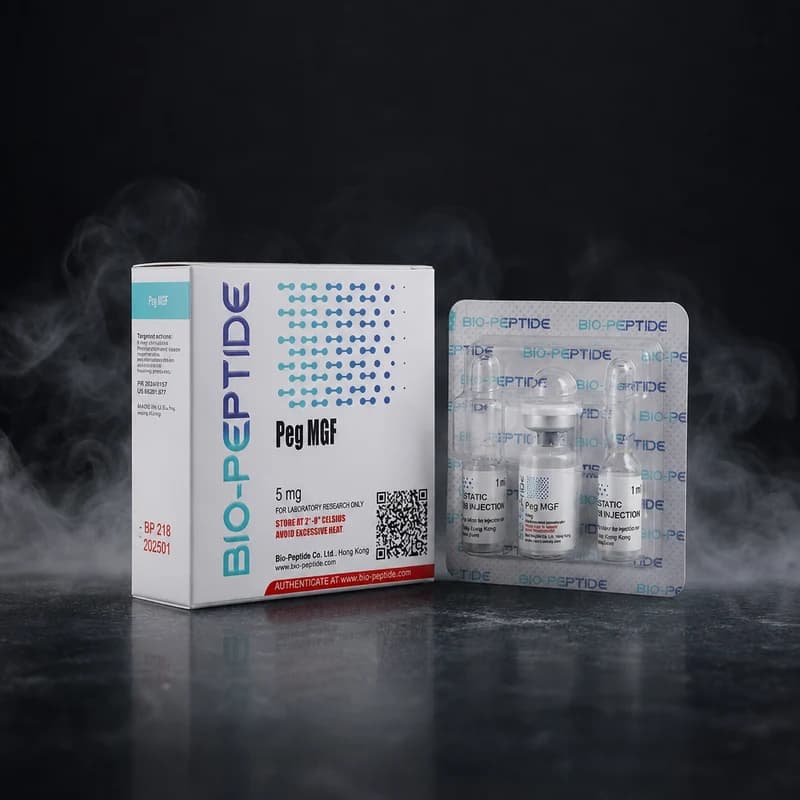
Peg MGF 5mg/vial 1 Vial by Bio-PeptideLab Tested

Peg MGF 5mg/vial 1 Vial by Bio-Peptide

€32.00
PEG MGFBatch Tested

PEG MGF 10mg/vial 1 Vial by Master Pharma

€32.00

Stack it with

Pairs well with these products.

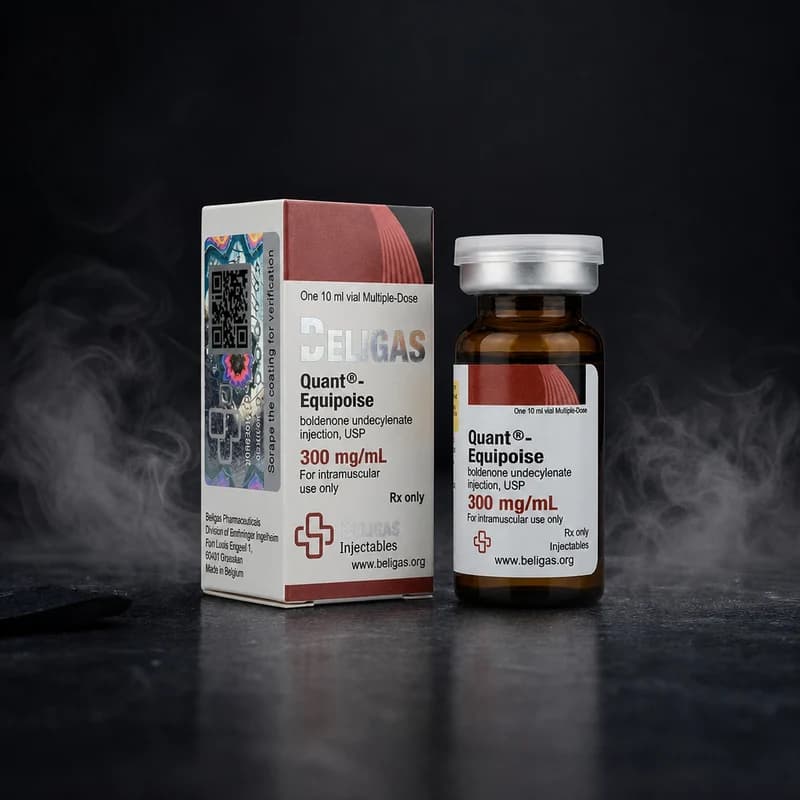
Quant-Equipoise 300mg/ml 10ml Vial by Beligas PharmaceuticalsHigh Concentration

Quant-Equipoise 300mg/ml 10ml Vial by Beligas Pharmaceuticals

€47.00
Bolden-250 250mg/ml 10x1ml Ampoules by BM PharmaceuticalsLong-Acting Formula

Bolden-250 250mg/ml 10x1ml Ampullen by BM Pharmaceuticals

€48.00
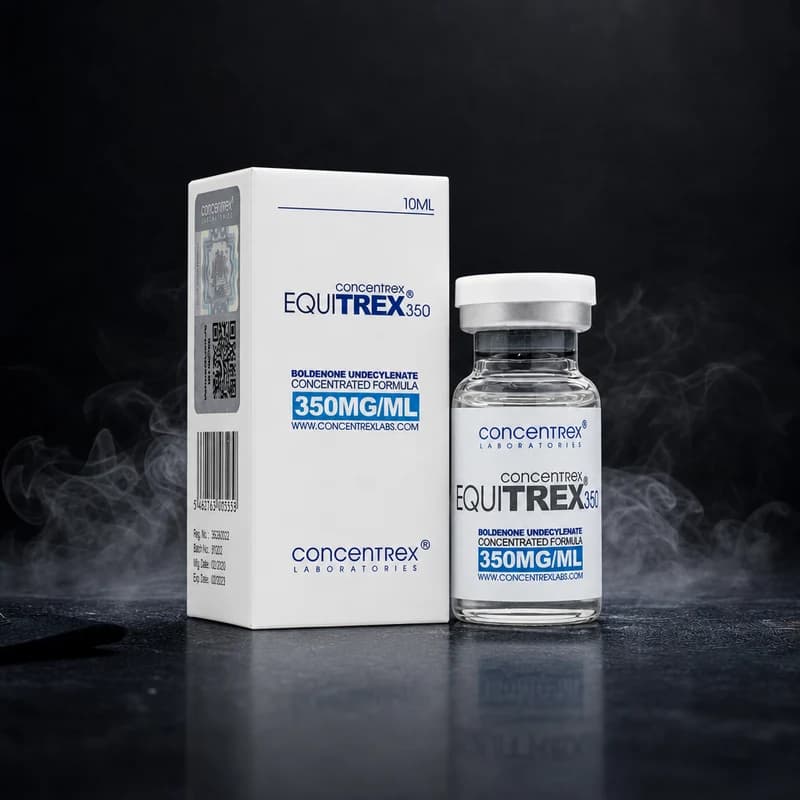
EquiTrex 350mg/ml 10ml Vial by Concentrex LabsBrand Quality

EquiTrex 350mg/ml 10ml Vial by Concentrex Labs

€52.00
EQ 300 300mg/ml 10ml Vial by Dragon-PharmaPro Choice

EQ 300 300mg/ml 10ml Vial by Dragon-Pharma

€44.00