Oxandrolone as a Metabolic Modulator: What OxaTrex Actually Does
OxaTrex is an orally active anabolic compound whose clinical relevance extends well beyond lean-mass accrual — its most precisely documented pharmacological property is the capacity to shift whole-body substrate metabolism toward improved insulin-mediated glucose disposal. Oxandrolone reduces visceral adipose tissue in a manner that directly correlates with measurable improvements in insulin sensitivity, an effect confirmed in controlled clinical trials published in peer-reviewed endocrinology literature. This metabolic dimension separates OxaTrex from anabolic agents that primarily alter nitrogen retention without affecting the hormonal signalling pathways governing energy partitioning.
Compared to compounds such as methyltestosterone, which tend to worsen lipid-related metabolic markers, Oxandrolone's net effect on the insulin–glucose axis has been characterised as neutral-to-beneficial at moderate therapeutic doses in published human studies. Specifically, research in burn-recovery and HIV-wasting populations — both populations with documented insulin resistance — recorded improved glucose uptake efficiency following Oxandrolone administration, providing a mechanistic framework relevant to physique athletes managing body-composition goals alongside metabolic health.
How Nutrient Partitioning Changes During an OxaTrex Protocol
Oxandrolone directs dietary nitrogen toward skeletal muscle protein synthesis with measurable efficiency; in quantitative terms, nitrogen retention studies conducted in clinical settings record a positive nitrogen balance averaging 2–4 g/day above baseline during active administration. This shift in partitioning means calories that would otherwise contribute to adipose deposition are preferentially routed into lean tissue — a metabolic economy directly relevant to calorie-restricted physique preparation phases.
Blood glucose monitoring carries practical relevance for OxaTrex users because Oxandrolone modestly suppresses hepatic glucose output, a mechanism confirmed through insulin clamp studies; users who combine the compound with carbohydrate-heavy pre-workout nutrition may notice attenuated post-meal glucose excursions. Fasting glucose values should be logged at baseline and at weeks 4 and 8 of a cycle to detect any drift, particularly in users with pre-existing borderline insulin resistance.
Tablet Format, Dose Precision, and Quality Verification
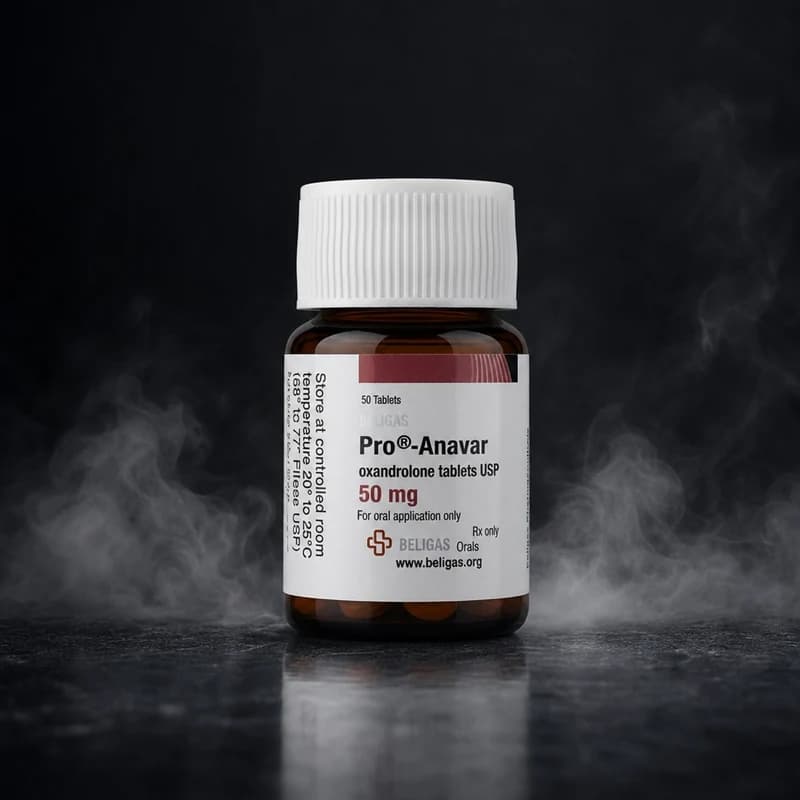
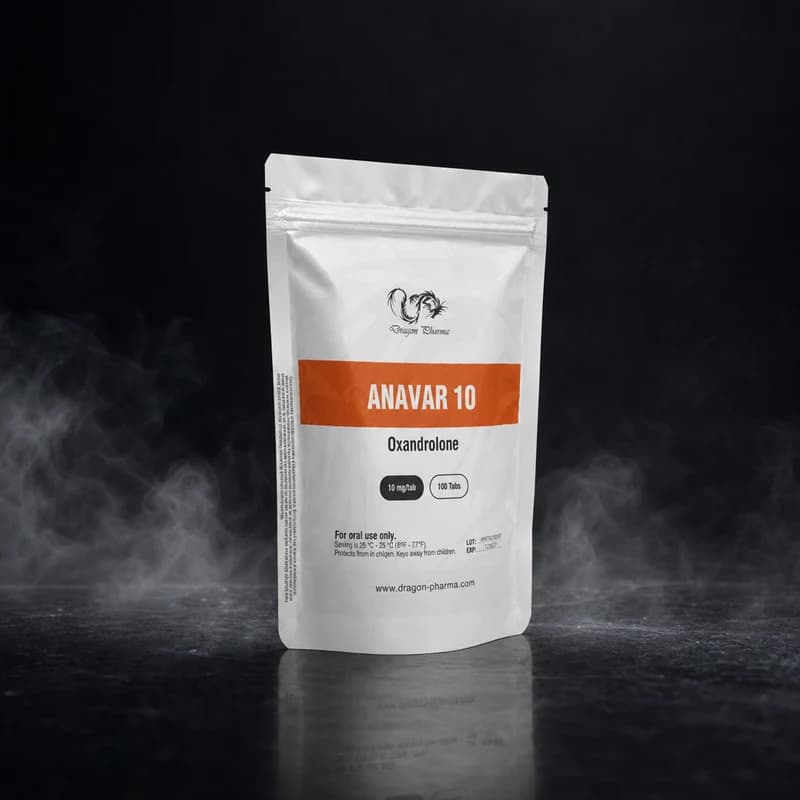
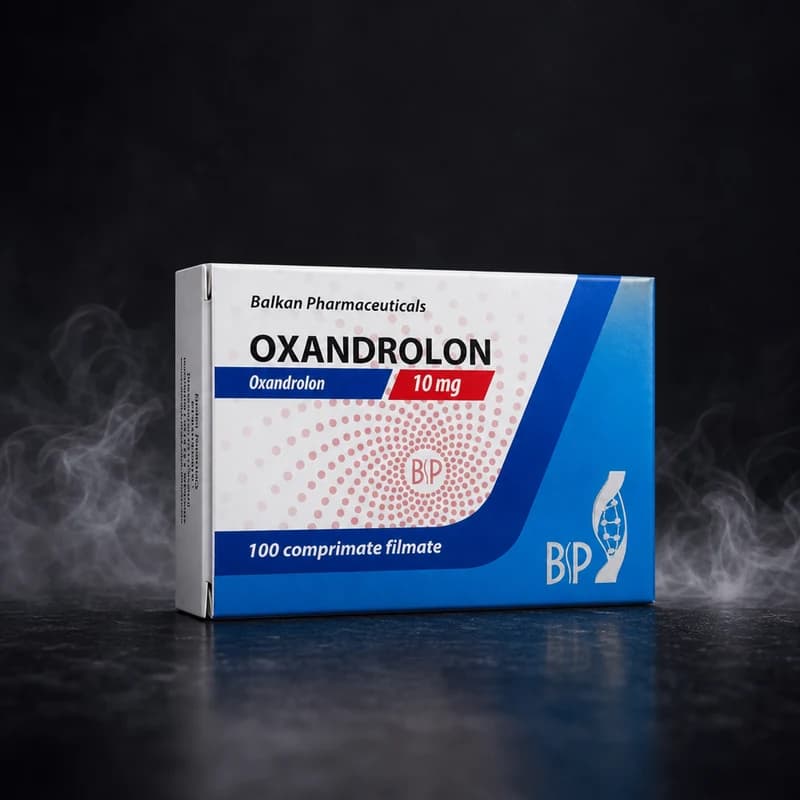
Concentrex Labs produces OxaTrex as discrete 10 mg tablets — the lowest single-unit concentration common in this compound category — enabling dose adjustments in 10 mg increments without the measurement error inherent in liquid or split-tablet formats. HPLC quantification of Oxandrolone content is performed on finished tablets, not solely on incoming raw material, ensuring declared potency aligns with in-pack reality. The production environment operates under GMP certification, and batch documentation is maintained to support traceability from API sourcing through to final tablet release.

 Lab Tested