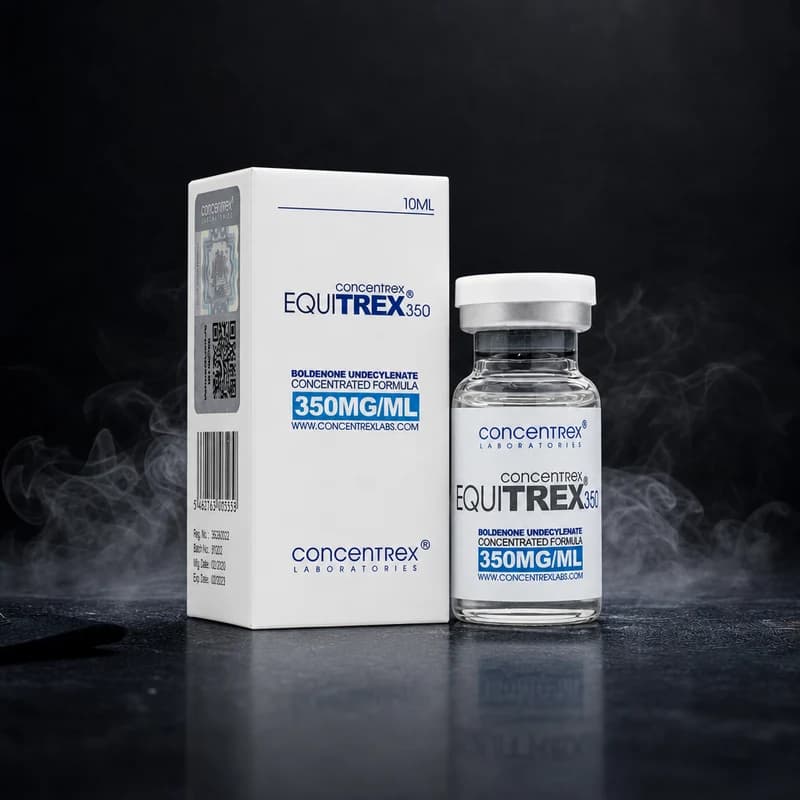
Androgen Receptor Binding: The Molecular Basis of Oxandrolone's Activity
Oxandrolon (Oxandrolone) functions as a high-affinity ligand for the intracellular androgen receptor, a member of the nuclear receptor superfamily, activating transcriptional programmes that govern skeletal muscle anabolism, nitrogen balance, and bone mineral density. Unlike testosterone, which first undergoes 5α-reduction to dihydrotestosterone or aromatisation to estradiol before receptor engagement, Oxandrolone itself is a structural analogue of dihydrotestosterone — meaning it arrives at the AR already in its biologically active form. This architectural shortcut underpins its tissue-selective activity profile.
Oxandrolone binds the androgen receptor with a relative binding affinity (RBA) estimated at approximately 0.6–0.8 relative to the synthetic reference DHT (set at 1.0), as characterised in in-vitro competitive binding assays. Compared to testosterone (RBA ≈ 0.15–0.20 at the AR), Oxandrolone's affinity is substantially higher, which explains why clinically meaningful anabolic responses are achievable at low absolute doses — a property that makes the 10 mg/tablet format directly relevant for dose-titration protocols.
DHT-Derivative Chemistry and Its Functional Consequences
The DHT backbone confers two mechanistically important properties. First, Oxandrolone is resistant to aromatase activity: the enzyme cannot convert its A-ring-modified structure into estrogen, so estrogenic side effects — water retention, gynecomastia — are mechanistically excluded by the compound's chemistry rather than managed by adjunct aromatase inhibitors. Second, the 17α-methyl substitution protects the compound from first-pass hepatic oxidation, enabling oral bioavailability; this same group is responsible for the hepatotoxic potential that requires monitoring during use.
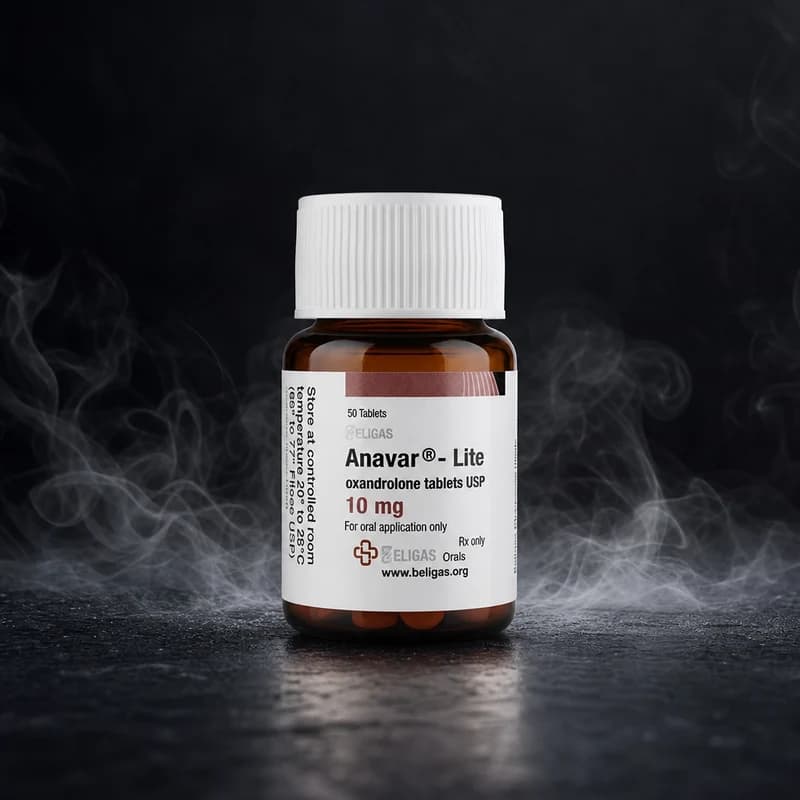
Balkan Pharmaceuticals' Oxandrolon tablet delivers Oxandrolone in a compressed oral matrix verified by HPLC assay against the declared 10 mg label claim, with each production batch released only after passing endotoxin screening via the LAL (Limulus Amebocyte Lysate) method and full GMP documentation review at the Chișinău site.
Genomic Signalling Downstream of AR Activation
Once Oxandrolone occupies the AR ligand-binding domain, the receptor undergoes conformational change, dimerises, and translocates to the nucleus, where it binds androgen response elements (AREs) in the promoter regions of target genes. Oxandrolone activates ARE-driven transcription of myofibrillar proteins — including myosin heavy chain isoforms — and suppresses catabolic transcription factors associated with glucocorticoid signalling. The net result is a positive nitrogen balance, measured in clinical studies by 24-hour urinary nitrogen excretion, at doses as low as 20 mg/day (two tablets of the Balkan 10 mg formulation), making this one of the few compounds with dose-response data traceable to peer-reviewed pharmacology rather than anecdotal extrapolation.

 HPLC Verified