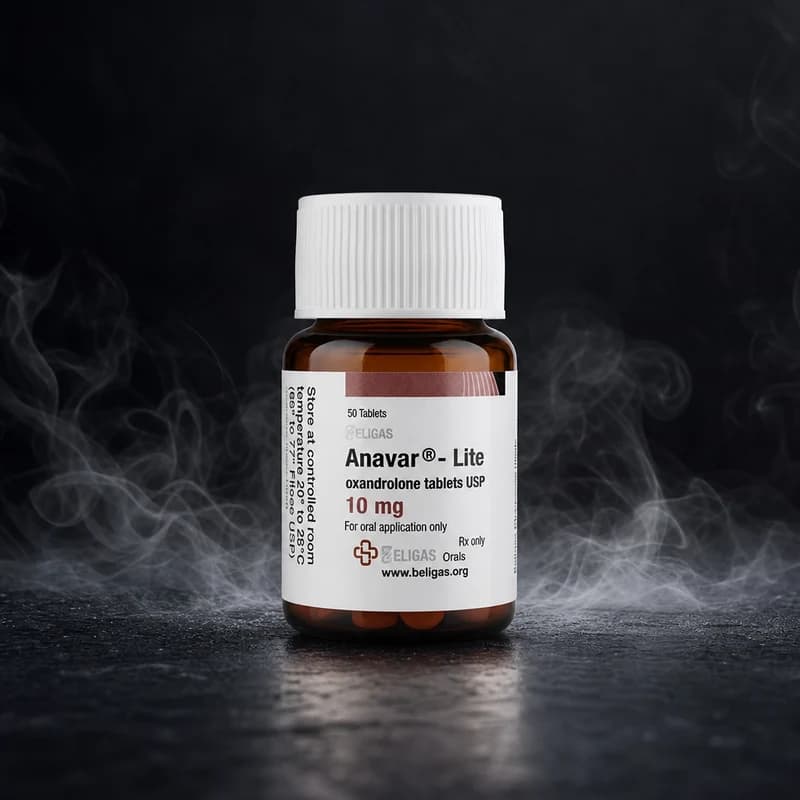
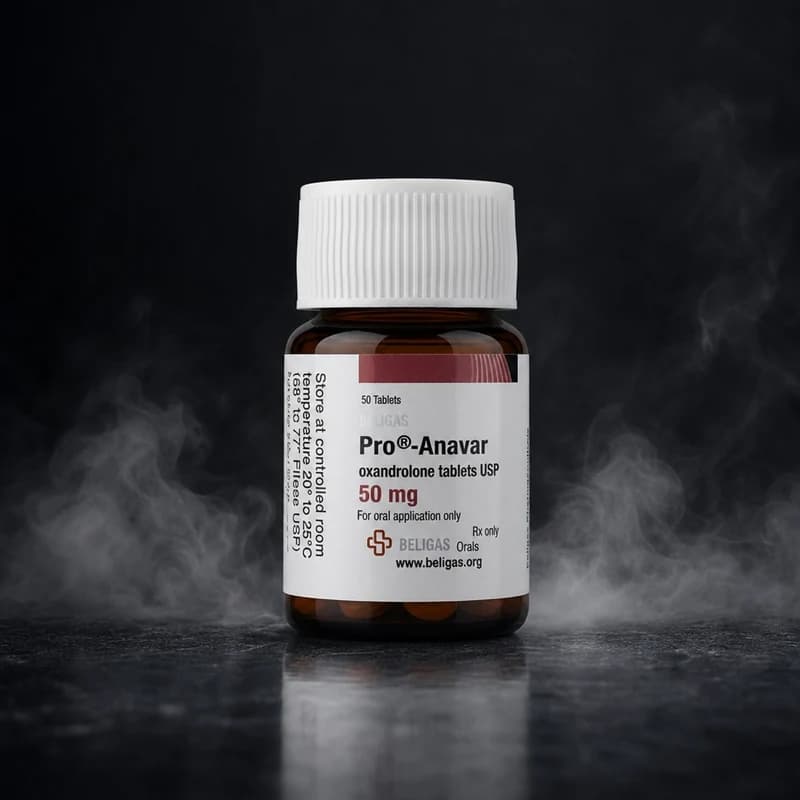
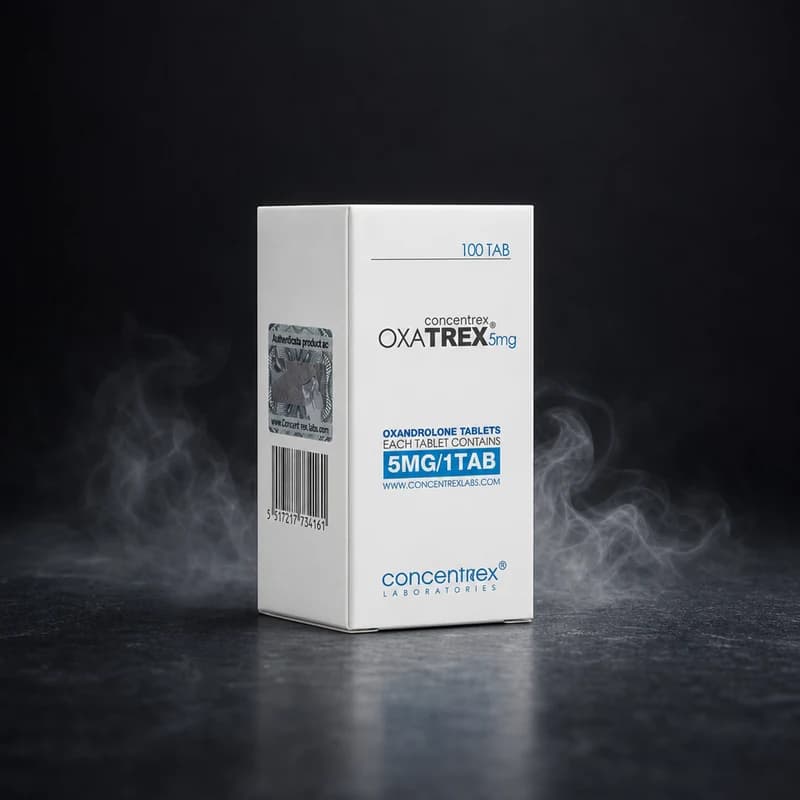
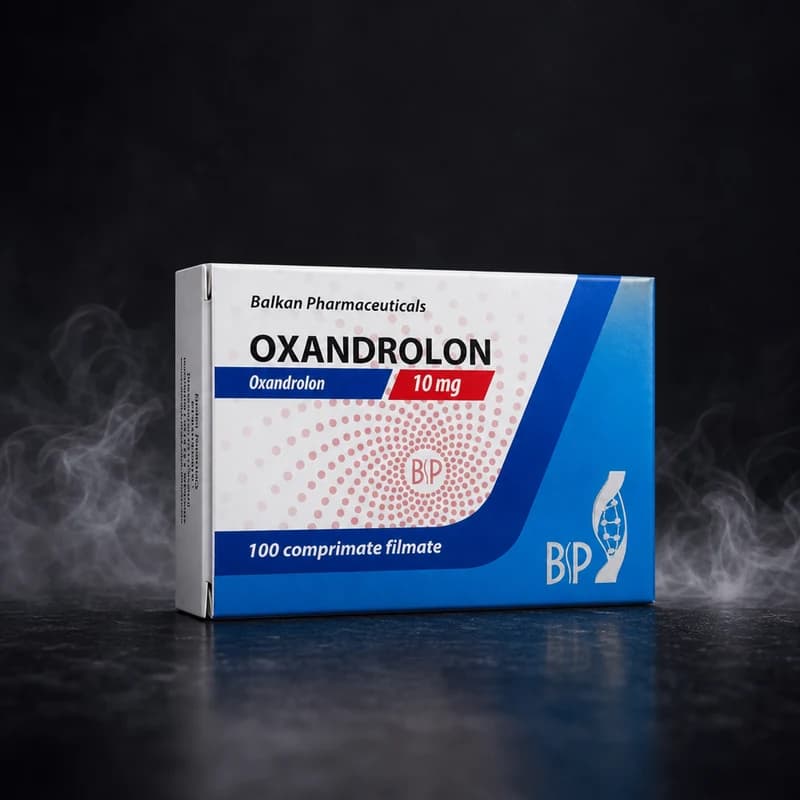
Contraindications: Oxandroxyl is contraindicated in individuals with active hepatic impairment, known hypersensitivity to Oxandrolone or any tablet excipient, existing prostate or breast malignancy, and pregnancy or lactation. Individuals with pre-existing cardiovascular compromise — including unmanaged hypertension or dyslipidaemia — should not commence an Oxandrolone cycle without prior cardiological clearance.
Side Effects: Dose-dependent hepatotoxicity (elevated ALT/AST) is the primary risk with oral 17α-alkylated compounds including Oxandrolone; this risk is duration- and dose-sensitive and is the primary driver of the 6–8 week phase-length guidance. Lipid profile shifts — specifically HDL suppression and LDL elevation — occur at therapeutic doses and should be tracked against baseline values. Androgenic effects (acne, accelerated hairline recession in genetically predisposed males, virilisation in females) are possible at higher doses despite the compound's favourable ratio.
Monitoring: Obtain baseline bloods before cycle initiation: full liver panel (ALT, AST, ALP, GGT), lipid panel (total cholesterol, HDL, LDL, triglycerides), haematocrit, and hormonal markers (total testosterone, LH, FSH). Repeat liver panel and lipid panel at the midpoint of the Oxandrolone phase. Post-cycle hormonal panel 10–14 days after final dose to assess suppression depth and guide PCT intensity.
PCT: Hypothalamic-pituitary-gonadal axis suppression with Oxandrolone is mild-to-moderate relative to highly suppressive agents but is not absent and must not be ignored. Following a standalone Oxandrolone cycle, begin PCT approximately 48–72 hours after the final dose, capitalising on the compound's rapid clearance. Standard PCT protocols employ Clomiphene (Clomid) at 50/50/25/25 mg over four weeks or Tamoxifen (Nolvadex) at 40/40/20/20 mg; stack combinations may require more aggressive recovery support depending on co-administered compounds.

 Lab Tested