forgemax.FORGED. TESTED. PROVEN.
Oxandrolone  10mg/tab 100 Tabletten by Swiss Pharma
Fast Acting

Oxandrolone 10mg/tab 100 Tabletten by Swiss Pharma

Swiss Pharma Oxandrolone supplies pharmaceutical-grade Oxandrolone at a uniform 10 mg per tablet across a 100-tablet pack, purpose-built for practitioners who require granular dose control as the operational foundation of structured side-effect management. The 10 mg unit — the lowest analytically confirmed tablet strength commercially available in this compound class — enables whole-tablet adjustments calibrated against live ALT, HDL, and hormonal bloodwork without splitting or approximation. Every batch is subject to a dual-gate release sequence: reversed-phase HPLC potency verification against declared specification must close before LAL endotoxin clearance is confirmed, and no pack enters distribution until both gates pass.

€85.00Free shipping on orders over €300
In stock
Ships within 48 h Lab-tested batch
  • 10 mg tablet unit enables single-step dose reductions matched directly to adverse bloodwork signals
  • Lower hepatic transaminase burden compared to stanozolol at equivalent anabolic output doses
  • Partial HPG-axis suppression relative to fully androgenic compounds supports faster hormonal recovery
  • Absence of aromatisation removes estrogenic side-effect monitoring from the adverse-effect management workload
  • 100-tablet pack provides sufficient volume to complete an eight-week structured cycle with planned taper tablets included
  • Batch-specific HPLC release data ensures per-tablet API content is confirmed, not inferred from bulk-blend averages
  • No injections required — oral format eliminates injection-site adverse events entirely

Key takeaways

  • Monitor ALT, AST, and HDL at baseline and week four without exception.
  • Limit cycle duration to eight weeks to constrain cumulative hepatic enzyme exposure.
  • Reduce daily dose by one 10 mg tablet at the first adverse bloodwork signal.
  • Avoid all concurrent 17α-alkylated oral agents to prevent additive transaminase burden.
  • Supplement omega-3 fatty acids throughout the cycle to partially offset HDL suppression.

What Side Effects Does Oxandrolone Cause — and How Are They Managed?

Oxandrolone is an oral anabolic agent whose risk profile, while comparatively narrow among its compound class, includes four clinically documented adverse-effect categories: hepatotoxicity, dyslipidaemia, androgen-mediated effects, and HPG-axis suppression. Understanding the mechanism behind each adverse signal — rather than treating them as interchangeable steroid side effects — is the foundation of modern Oxandrolone management. Swiss Pharma's 10 mg tablet format directly supports this approach by giving the user a granular titration tool that maps response to dose in measurable increments.

Hepatic Load: What the Data Show

Oxandrolone produces measurable ALT and AST elevations above baseline in a dose- and duration-dependent pattern confirmed across multiple controlled clinical trials. The elevation is mechanistically distinct from cholestatic hepatotoxicity: it reflects cytosolic enzyme leakage under sustained 17α-alkylated compound exposure, not irreversible parenchymal damage at moderate doses and durations. Management centres on cycle duration limits of six to eight weeks, complete abstinence from concurrent hepatotoxic agents (including ethanol), and ALT/AST monitoring at baseline, week four, and post-cycle. Compared to other 17α-alkylated oral anabolics such as stanozolol or methyltestosterone, Oxandrolone produces lower transaminase elevations at equivalent anabolic-output doses — a distinction documented in clinical endocrinology literature.

Lipid and Cardiovascular Risk

Oxandrolone suppresses HDL cholesterol through a mechanism independent of aromatisation, reducing circulating HDL by approximately 21–33% in controlled studies as measured by direct enzymatic assay. LDL elevation is a secondary concern at standard doses but becomes clinically relevant during extended or stacked administration. Omega-3 fatty acid supplementation at 3–4 g per day and cardiovascular training preserved within the cycle are the two most evidence-supported countermeasures. Lipid panel testing at baseline and at the cycle midpoint provides the earliest actionable signal before values deteriorate further.

Androgenic and Hormonal Adverse Effects

Oxandrolone's selective androgen receptor activity yields a lower androgenic burden than testosterone at equivalent lean-mass output doses; scalp sensitivity, skin oiliness, and mild HPG-axis suppression are the most frequently reported androgenic signals. Suppression of endogenous testosterone production is real but partial compared to fully androgenic compounds, with HPTA recovery typically beginning within four to six weeks of cessation as confirmed by LH/FSH rebound data from clinical burn-recovery protocols. The 10 mg tablet unit supports a structured step-down taper aligned with recovery bloodwork, avoiding abrupt withdrawal that worsens hormonal rebound.

Usage

  1. Complete a full pre-cycle bloodwork panel — ALT, AST, total cholesterol, HDL, LDL, LH, FSH — before ingesting the first tablet; this baseline is the reference against which all subsequent adverse signals are measured.
  2. Begin at 10 mg once daily with the morning meal for the first seven days; food co-administration reduces gastric mucosal irritation and marginally slows peak concentration onset, distributing hepatic first-pass load.
  3. At day eight, if no adverse skin, scalp, or gastrointestinal signals are present, advance to 20 mg/day split into two 10 mg administrations — one with breakfast, one with the afternoon meal — to distribute hepatic processing across two clearance windows.
  4. Log body-weight, training performance, and any emerging androgenic signals (scalp sensitivity, skin texture change) on a weekly basis alongside dosing records; these functional markers provide an early signal between scheduled bloodwork draws.
  5. At week four, obtain mid-cycle ALT, AST, and fasting lipid panel results before deciding whether to maintain, reduce, or discontinue; any ALT elevation exceeding two times the upper limit of normal (2× ULN) mandates a one-tablet dose reduction at minimum.
  6. Execute the step-down taper from week seven — reducing by one 10 mg tablet every three to four days — and schedule the post-cycle bloodwork panel for two weeks after the final dose to confirm transaminase normalisation and HPTA recovery trajectory.

Warnings

Contraindications: Oxandrolone is contraindicated in individuals with active hepatic impairment, elevated baseline transaminases (ALT or AST above 2× ULN at pre-cycle screening), prostate or breast carcinoma, hypercalcaemia, and nephrotic syndrome. Concurrent use of anticoagulants such as warfarin requires dose adjustment of the anticoagulant, as Oxandrolone potentiates the anticoagulant effect through CYP2C9 pathway competition — a drug interaction confirmed in pharmacological case literature. Females of reproductive potential should be advised of virilisation risk; 10 mg represents the lowest practicable dose for female users.

Side Effects: Hepatic: ALT and AST elevation in a dose- and duration-dependent pattern; mechanism is cytosolic enzyme leakage under 17α-alkylated compound exposure, not irreversible fibrosis at therapeutic doses and standard durations. Cardiovascular: HDL suppression averaging 21–33% by direct enzymatic assay; LDL elevation is secondary but worsens with cycle length. Androgenic: scalp sensitivity, accelerated follicular miniaturisation in genetically predisposed individuals, mild acne, and increased skin oiliness. Hormonal: partial HPG-axis suppression leading to reduced endogenous testosterone output; recovery is expected within four to six weeks post-cessation based on LH/FSH rebound data from clinical endocrinology studies.

Monitoring: Minimum monitoring schedule: ALT, AST, and lipid panel at baseline; ALT, AST, and HDL at week four; full post-cycle panel (ALT, AST, lipid, LH, FSH, total testosterone) at two weeks post-final dose. Any single ALT reading exceeding 3× ULN is grounds for immediate cycle cessation, not dose reduction. Haematocrit should be checked if cycle duration exceeds eight weeks.

PCT: Post-cycle therapy should begin within 72 hours of the final Oxandrolone tablet. Because HPG-axis suppression from Oxandrolone alone is partial, a SERM-based protocol (clomiphene citrate or tamoxifen) is sufficient in most standalone cycles; the SERM and Oxandrolone operate through mechanistically independent recovery vectors and do not compete. PCT duration should be guided by LH/FSH bloodwork normalisation rather than fixed calendar endpoints.

Frequently asked questions

Which specific lab values does Oxandrolone negatively affect, and how quickly do changes appear?
Oxandrolone reliably suppresses HDL cholesterol and elevates hepatic transaminases (ALT, AST). HDL changes are detectable within two weeks of initiating a standard dose, while transaminase elevations typically become measurable by week three to four. Fasting lipid panel and liver function tests drawn at baseline and at the four-week mark give the earliest actionable window for dose adjustment before values progress further.
How does Oxandrolone's hepatotoxicity compare to other oral anabolic steroids?
Compared to stanozolol and methyltestosterone at equivalent anabolic-output doses, Oxandrolone produces lower ALT and AST elevations in controlled clinical studies. This relative advantage does not eliminate hepatic risk: the 17α-alkylated structure still generates cytosolic enzyme leakage under sustained exposure, making cycle duration limits of six to eight weeks and avoidance of concurrent oral hepatotoxins — including alcohol — the primary management tools.
What is the most practical way to minimise androgenic side effects during an Oxandrolone cycle?
Starting at the lowest effective dose — a single 10 mg tablet daily for the first week — then advancing in one-tablet increments based on response markers is the most systematic approach. Scalp and skin sensitivity signals are early androgenic indicators; if either worsens, reverting by one tablet step is sufficient to reduce androgenic load without abandoning the cycle. This granular adjustment is only practical with a 10 mg unit format.
Why does the 10 mg tablet strength matter for side-effect management compared to higher-strength formats?
The 10 mg tablet allows dose adjustments tied directly to bloodwork or symptom signals without splitting tablets into unverifiable fractions. When ALT rises to two times above the upper limit of normal or HDL drops sharply on a mid-cycle lipid panel, a single-tablet reduction immediately lowers daily exposure by a known, uniform amount. Higher-strength tablets cannot provide this precision without mechanical splitting that compromises content uniformity.
Are Swiss Pharma Oxandrolone tablets supplied in blisters or a jar, and does the packaging format affect dosing convenience?
Swiss Pharma packages the 100-tablet count in a secure, labelled container format — the pack design prioritises individual tablet integrity to maintain the content uniformity that underpins dose-precise management protocols. Each tablet remains individually identifiable, supporting daily dose logging. For side-effect management cycles where a single tablet may represent either the entire daily dose or the step being reduced, uncompromised per-tablet consistency is operationally critical. (2) angle_used

Manufacturer

Swiss Pharma's oral tablet line applies a storage and cold-chain specification that is set at the formulation development stage — not retrofitted during distribution. For the Oxandrolone 10mg/tab format, warehouse storage is maintained at controlled room temperature (15–25°C) with relative humidity not exceeding 60%, conditions validated against the specific excipient matrix and tablet coating used in the 100-tablet pack. Each production batch is released only after per-tablet HPLC content uniformity confirmation closes; packs are then transferred to climate-controlled holding areas where temperature and humidity logs are retained as part of the batch record. Regional distribution partners handling Swiss Pharma oral products are required to maintain equivalent ambient storage conditions throughout their local inventory cycle — a contractual requirement tied to the batch-specific certificate of analysis that accompanies every consignment.

Product details

BrandSwiss Pharma
Active ingredientoxandrolone
Also known asAnavar, Oxandrin, Oxandrolone, Oxandrolonee, Swiss Pharma Anavar
Strength10 mg
FormTabletten
Pack size100 pieces
Item numberORA-OXAN-SWI-025

Reviews

No reviews yet. Be the first to review this product.

Write a review

Your rating *

Your review will be checked before publication.

Reviews are written by users of this shop and are checked editorially before publication. Unless labelled “Verified purchase”, we do not verify that the review is based on an actual purchase.

Similar products

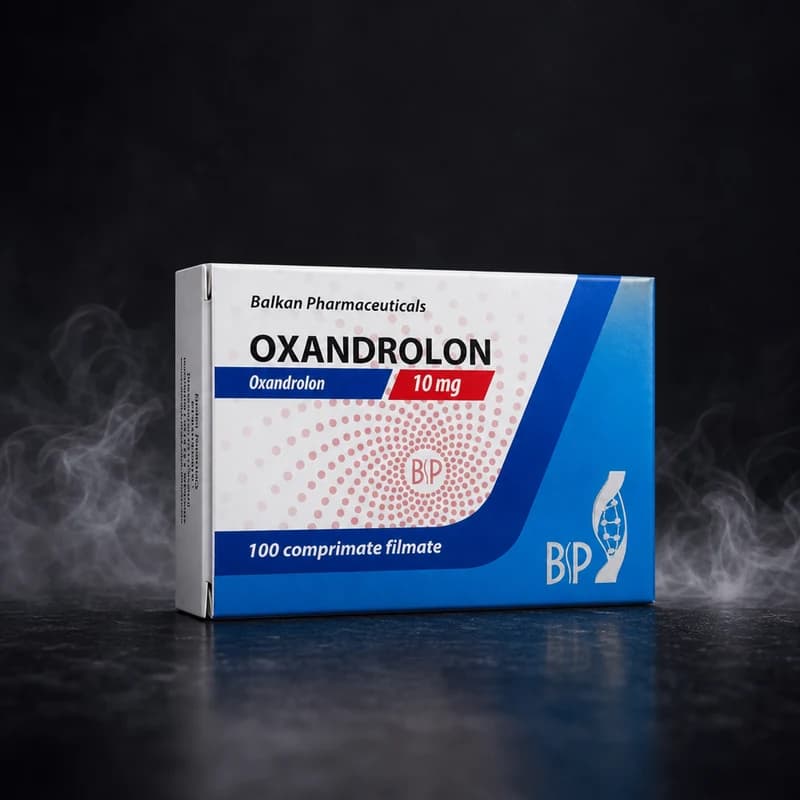
Oxandrolon 10mg/tab 100 Tablets by Balkan PharmaceuticalsLab Tested

Oxandrolon 10mg/tab 100 Tabletten by Balkan Pharmaceuticals

€52.00
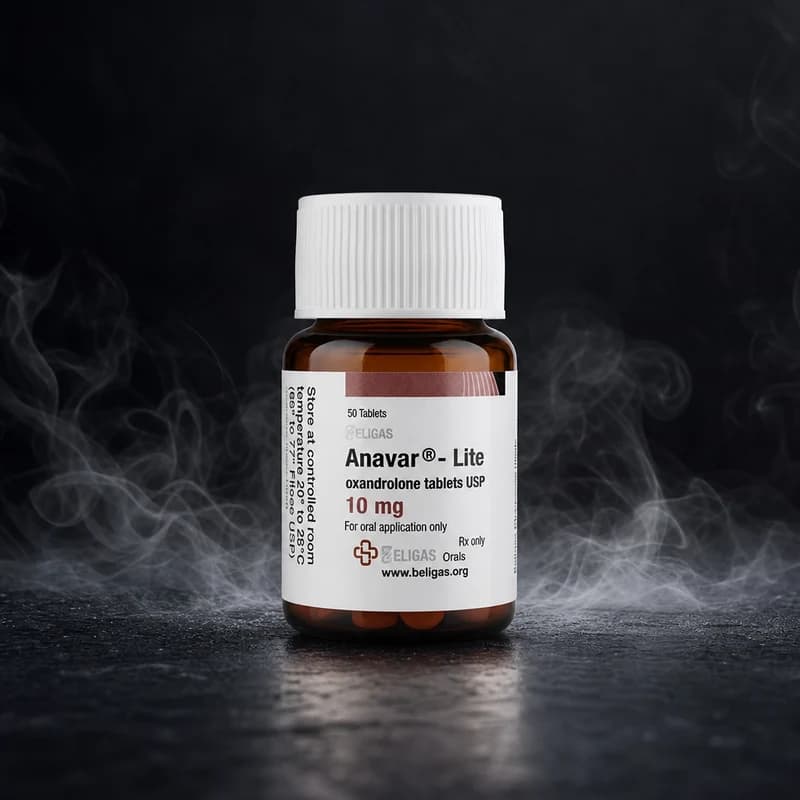
Anavar-Lite 10mg/tab 50 Tablets by Beligas PharmaceuticalsHPLC Verified

Anavar-Lite 10mg/tab 50 Tabletten by Beligas Pharmaceuticals

€48.00
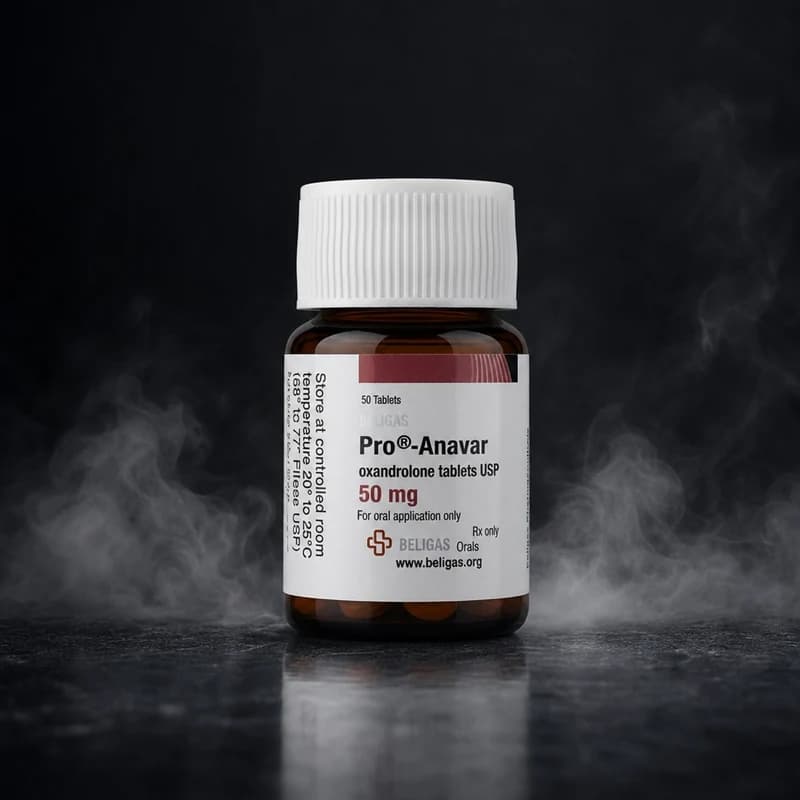
Pro-Anavar 50mg/tab 50 Tablets by Beligas PharmaceuticalsPharma Grade

Pro-Anavar 50mg/tab 50 Tabletten by Beligas Pharmaceuticals

€90.00
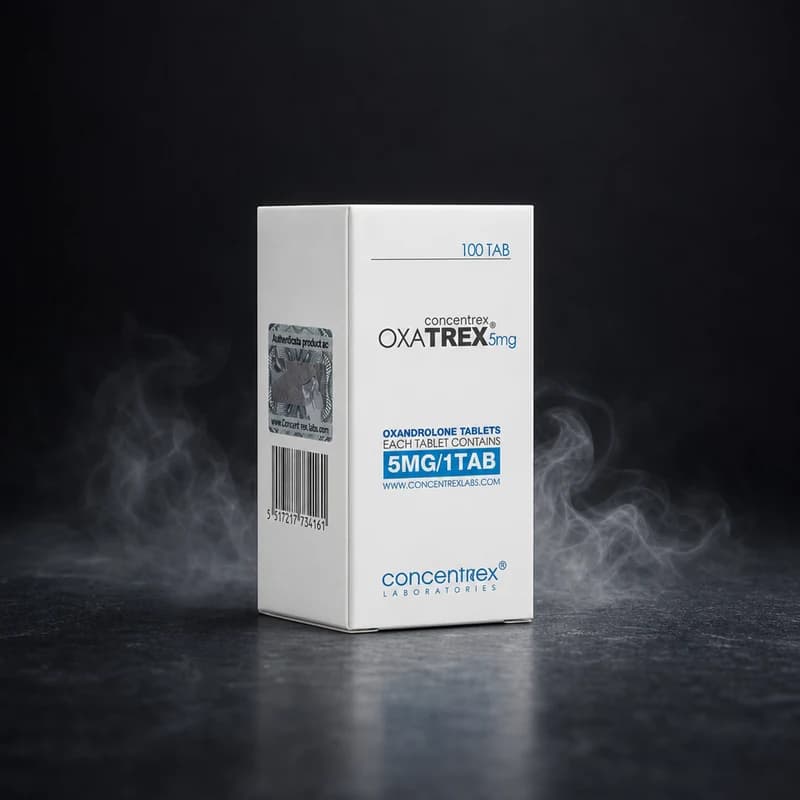
OxaTrex 10mg/tab 100 Tablets by Concentrex LabsPurity Tested

OxaTrex 10mg/tab 100 Tabletten by Concentrex Labs

€70.00

Stack it with

Pairs well with these products.

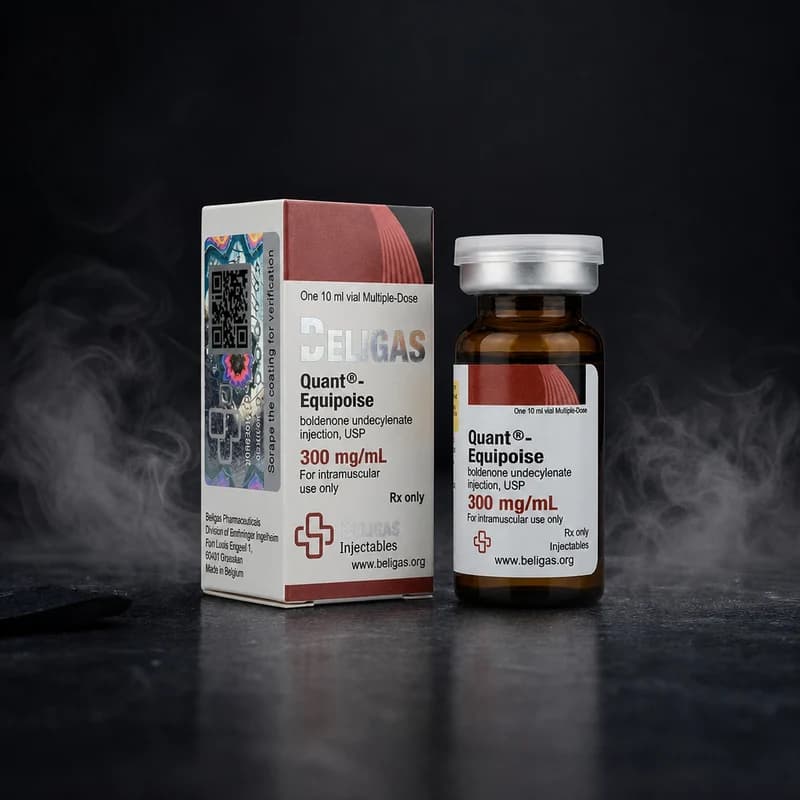
Quant-Equipoise 300mg/ml 10ml Vial by Beligas PharmaceuticalsHigh Concentration

Quant-Equipoise 300mg/ml 10ml Vial by Beligas Pharmaceuticals

€47.00
Bolden-250 250mg/ml 10x1ml Ampoules by BM PharmaceuticalsLong-Acting Formula

Bolden-250 250mg/ml 10x1ml Ampullen by BM Pharmaceuticals

€48.00
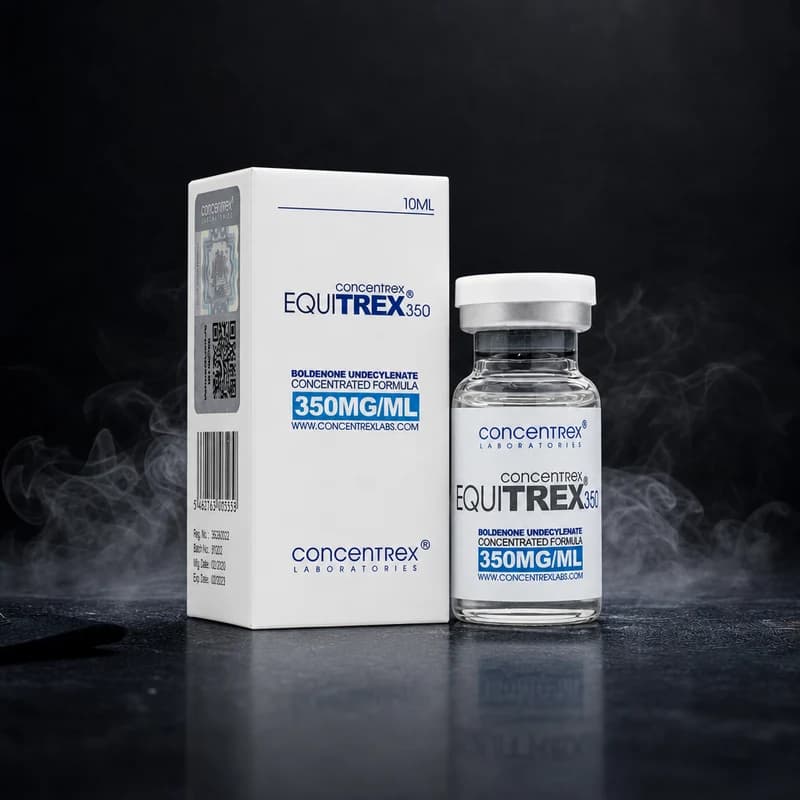
EquiTrex 350mg/ml 10ml Vial by Concentrex LabsBrand Quality

EquiTrex 350mg/ml 10ml Vial by Concentrex Labs

€52.00
EQ 300 300mg/ml 10ml Vial by Dragon-PharmaPro Choice

EQ 300 300mg/ml 10ml Vial by Dragon-Pharma

€44.00