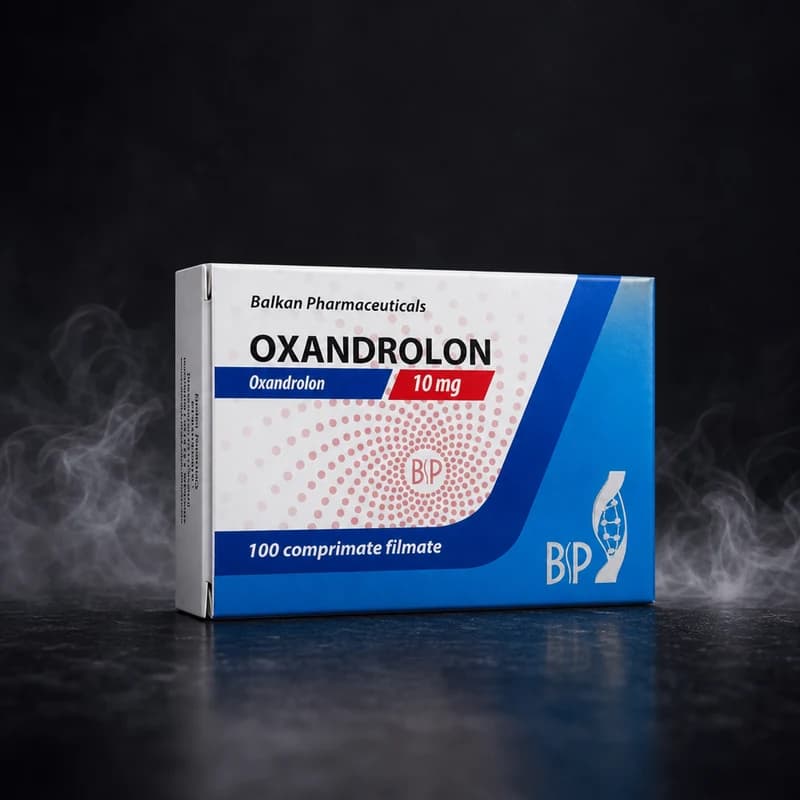
Contraindications: Oxandrolone is contraindicated in individuals with active hepatic disease, elevated baseline transaminases (ALT/AST greater than twice the upper limit of normal), prostate or breast carcinoma, hypercalcaemia, pregnancy, and severe cardiovascular disease. Pre-existing lipid disorders require specialist review before use, particularly when co-administering GH-axis peptides that independently influence lipid partitioning.
Side Effects: Hepatotoxicity risk is inherent to 17α-methylated oral steroids; transaminase elevations are dose- and duration-dependent. HDL suppression of 21–33% has been documented in controlled clinical studies. Androgenic effects — acne, accelerated hair loss in genetically susceptible individuals, and in women virilisation — remain possible even at lower doses. GHRP co-administration may transiently elevate cortisol and prolactin, compounding the hormonal monitoring workload.
Monitoring: Obtain full blood count, liver function panel (ALT, AST, ALP), lipid profile, fasting glucose, fasting insulin, and baseline IGF-1 before starting. Repeat LFTs and lipid panel at weeks four and eight; reassess IGF-1 at four-week intervals to guide dose adjustment of both Oxandrolone and the peptide component. Discontinue immediately if ALT or AST exceeds three times the upper limit of normal.
PCT: Oxandrolone suppresses the HPG axis; a SERM-based PCT (tamoxifen 20 mg/day or clomiphene 50 mg/day for four weeks) is indicated following any cycle exceeding four weeks. Peptide protocols may be continued through PCT as GH secretagogues do not directly suppress LH or FSH. Conduct full hormonal recovery bloodwork at the conclusion of PCT before beginning any subsequent cycle.

 Lab Tested