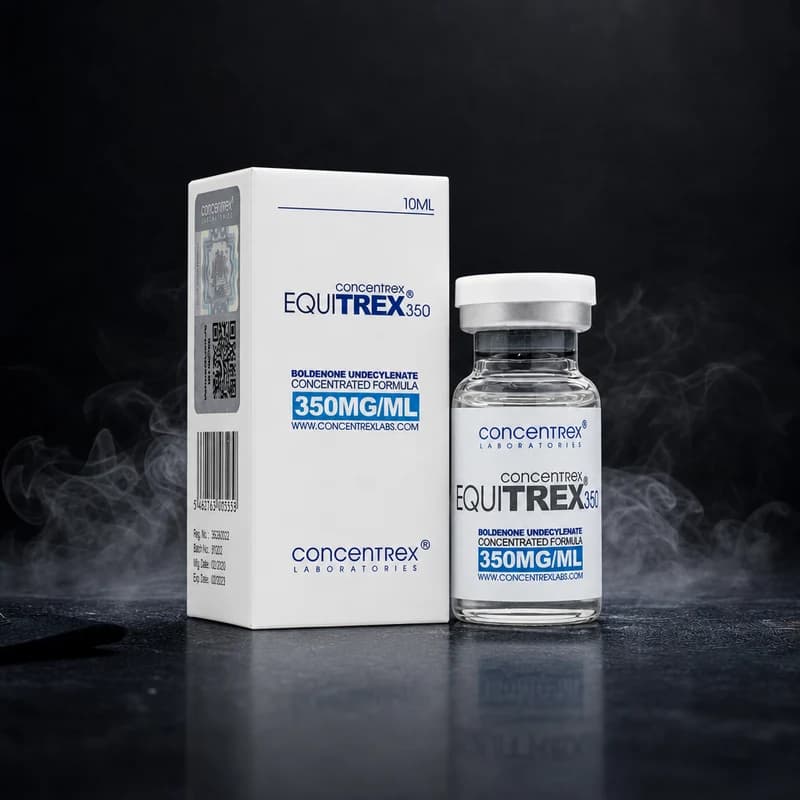
What Unfavorable Combinations Mean for an Oxandrolone User
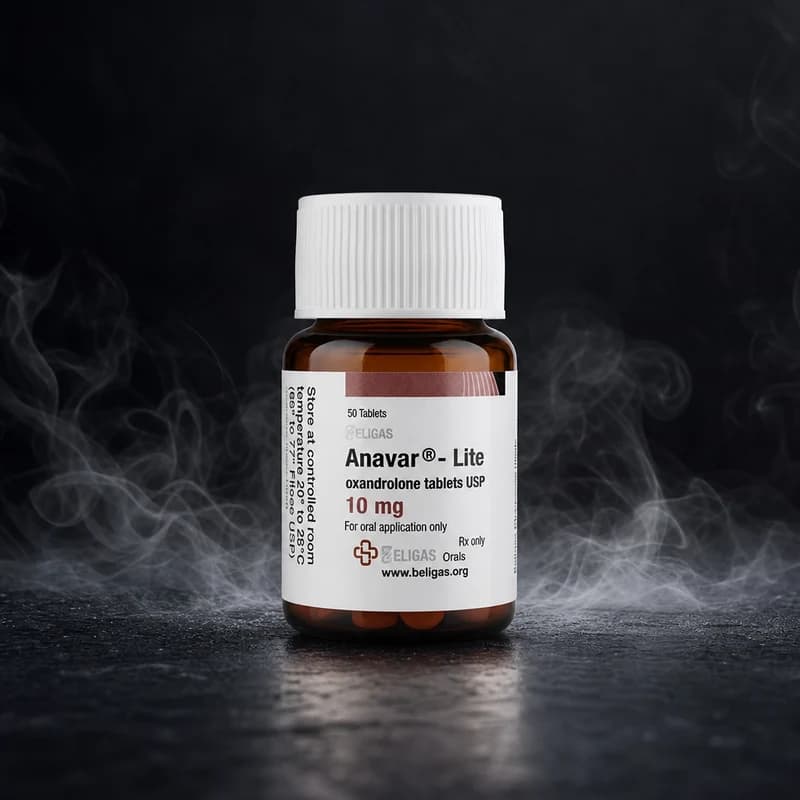
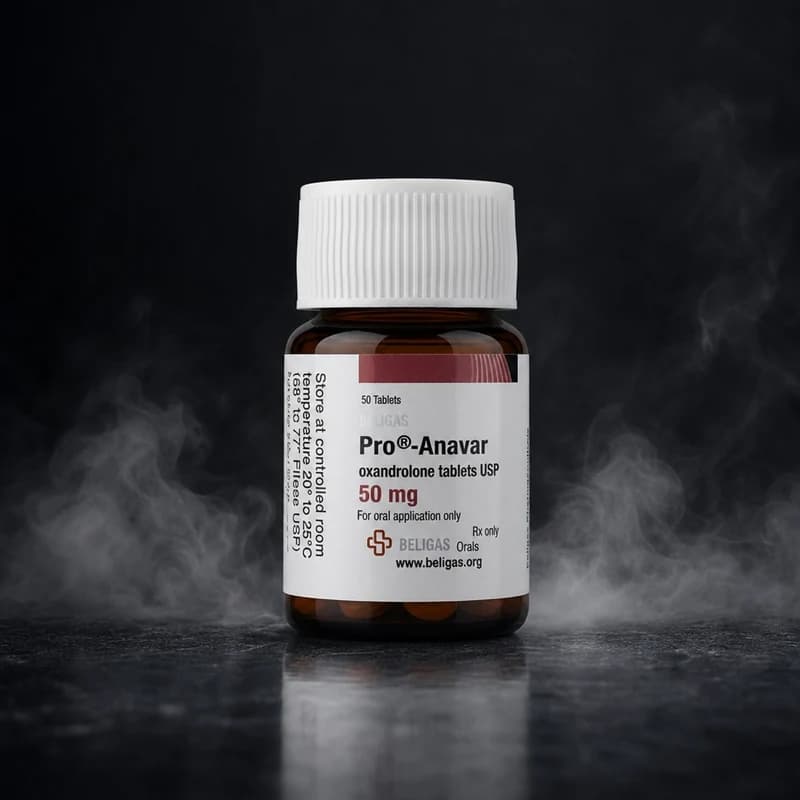
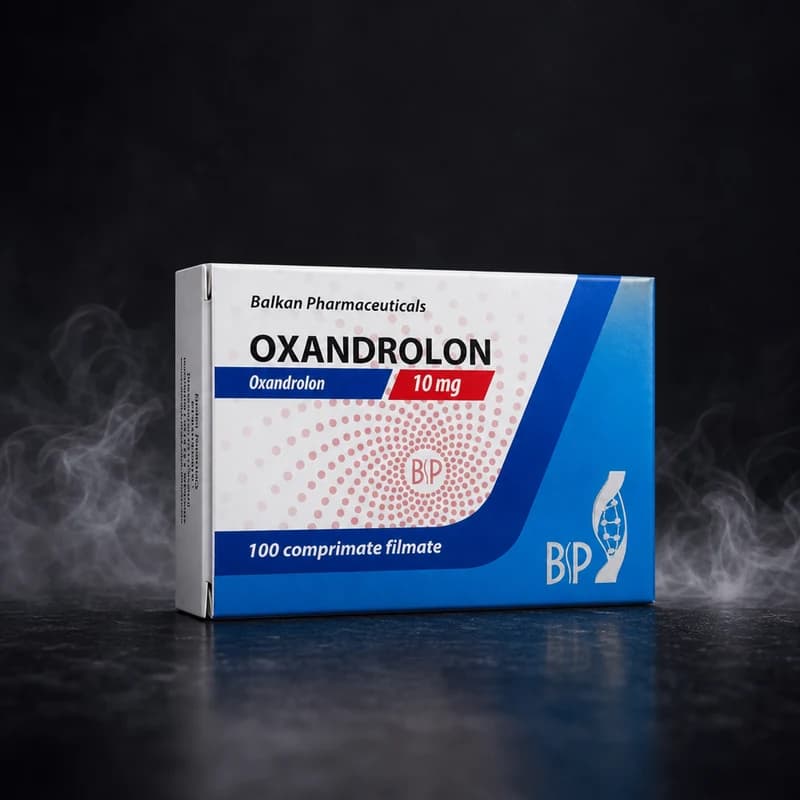
Oxandrolone occupies a defined pharmacological niche as a mild oral anabolic with a relatively contained hepatic and cardiovascular footprint when used alone — yet that contained profile disappears rapidly when the wrong compounds are layered alongside it. Magnus Pharmaceuticals Oxandrolone 10 mg tablets provide the granular dose control needed to manage stack composition carefully, but dose control cannot compensate for a fundamentally incompatible combination. Understanding which co-administered compounds convert a manageable protocol into an elevated-risk scenario is the central question this product page addresses.
Compounds That Amplify Hepatic Load When Combined with Oxandrolone
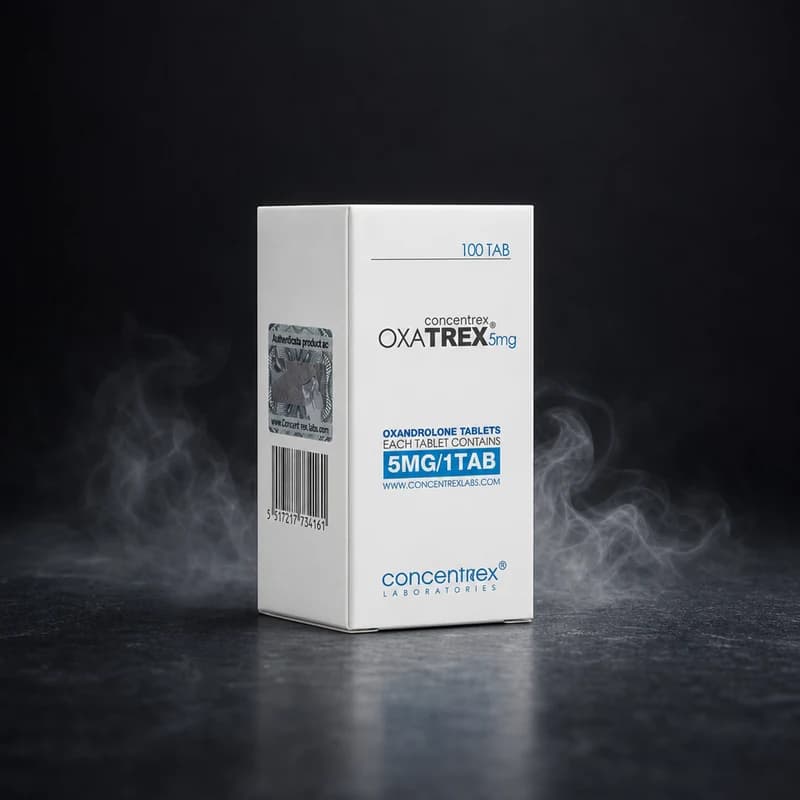
The most clinically documented unfavorable pairing involves combining Oxandrolone with any other 17α-alkylated oral anabolic steroid. Both Oxandrolone and compounds such as oxymetholone, stanozolol (oral), or methyltestosterone share the same first-pass hepatic processing pathway; running them simultaneously imposes an additive burden on hepatic enzyme systems. Clinical case series published in journals including the American Journal of Gastroenterology document that cholestatic injury risk rises non-linearly when two orally alkylated agents overlap. Alanine aminotransferase (ALT) and aspartate aminotransferase (AST) elevations recorded under dual oral anabolic administration routinely exceed values observed with either compound alone at equivalent individual doses, confirming that the hepatic interaction is additive rather than independent.
Alcohol is a second category that many users underestimate: ethanol competes directly with Oxandrolone for hepatic CYP2C9-mediated oxidative metabolism, extending effective compound exposure while simultaneously elevating transaminases through its own acetaldehyde-mediated mechanism. Combining regular alcohol consumption with any orally active anabolic represents a measurably unfavorable interaction documented in hepatology literature.
Cardiovascular and Suppression-Related Unfavorable Pairings
On the cardiovascular axis, co-administration of Oxandrolone with potent androgenic compounds — particularly high-dose trenbolone acetate or high-dose testosterone — produces a lipid disruption profile substantially worse than Oxandrolone alone. Oxandrolone suppresses HDL cholesterol by approximately 21–33% in controlled clinical studies (reported in the Journal of Clinical Endocrinology & Metabolism, 2004); trenbolone exerts its own independent HDL-suppressive effect through a separate mechanism. Running both compounds simultaneously drives cumulative HDL reduction beyond what either agent produces individually, increasing atherogenic index in a measurable, non-trivial way.
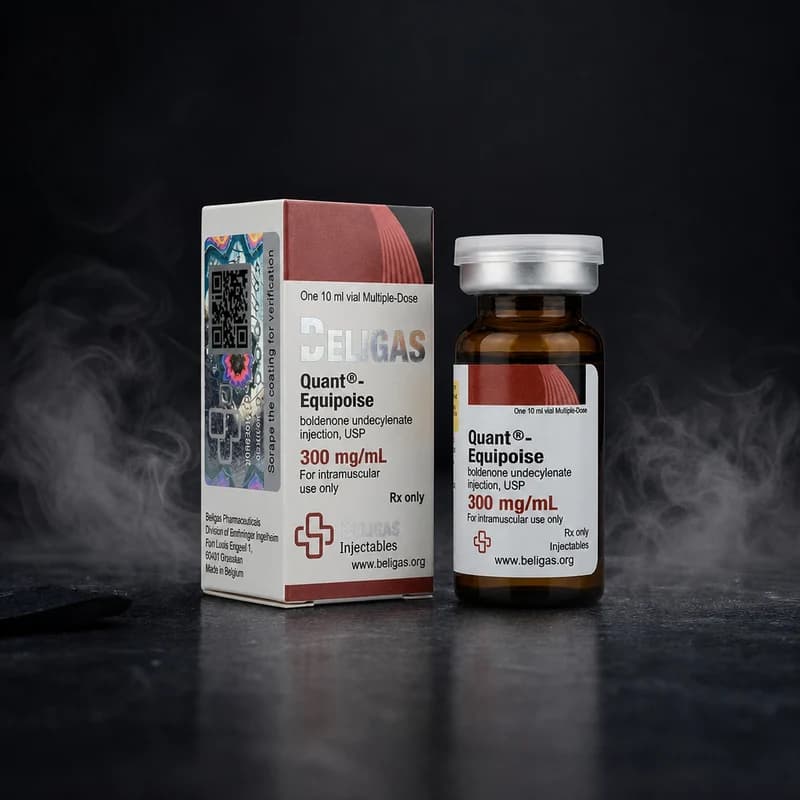
Suppression-axis unfavorable combinations include pairing Oxandrolone with gonadotropin-suppressive compounds that do not provide exogenous testosterone base. Using Oxandrolone without a testosterone backbone while simultaneously adding a second suppressive agent — such as nandrolone or boldenone — risks compounding hypothalamic–pituitary–gonadal axis suppression without the hormonal replacement that testosterone provides. This creates a deficit state that is harder to recover from post-cycle compared to a single-compound suppression event.
Magnus Pharmaceuticals' 10 mg tablet format supports the kind of precise stack management these combination risks demand: each dose can be adjusted in exact single-tablet increments as bloodwork data arrives, allowing real-time protocol correction rather than forced commitment to a fixed milligram block.

 Lab Tested