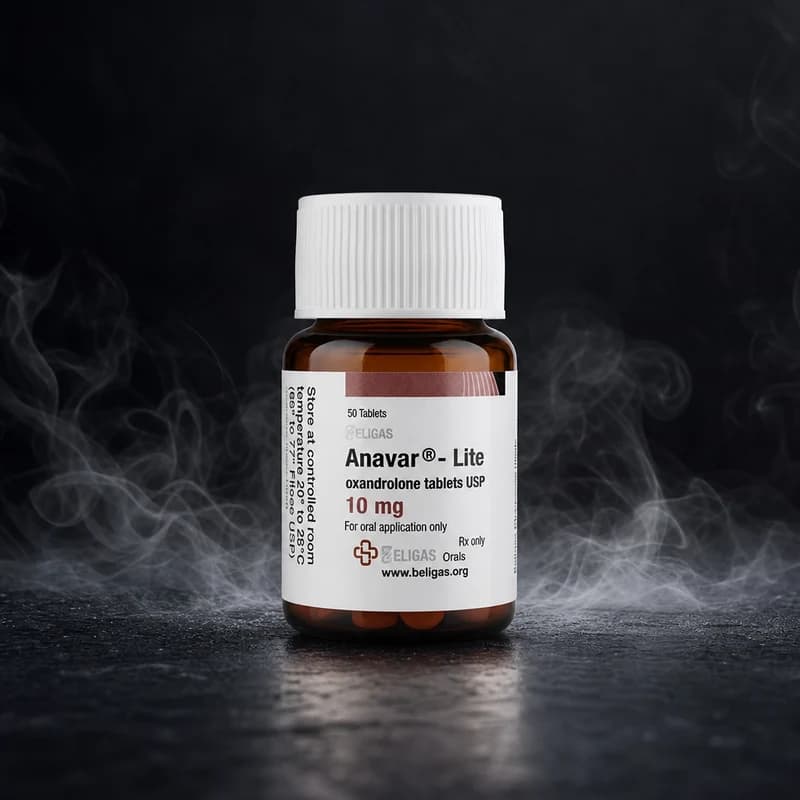
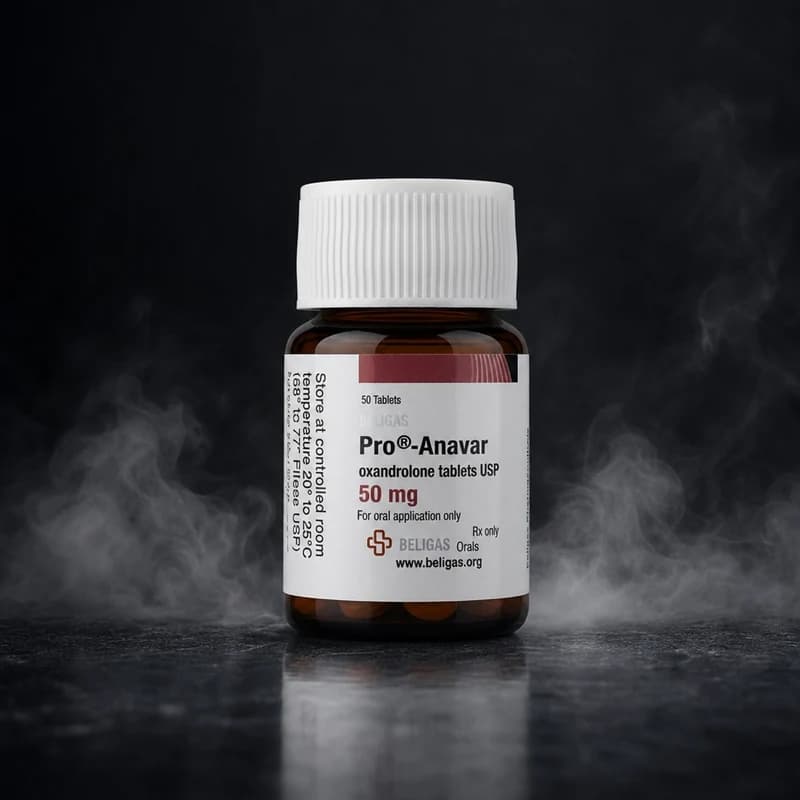
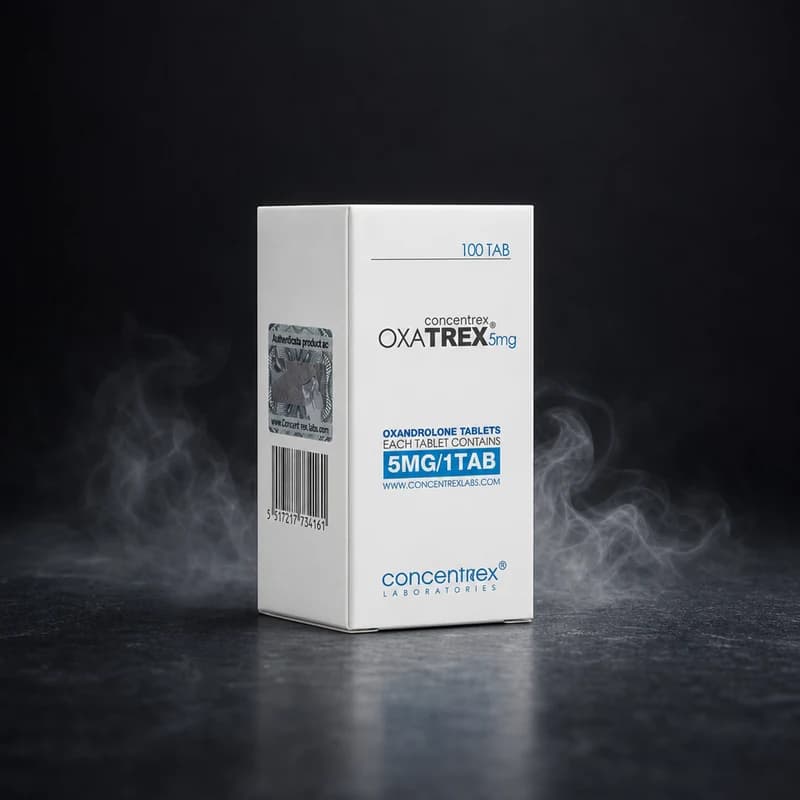
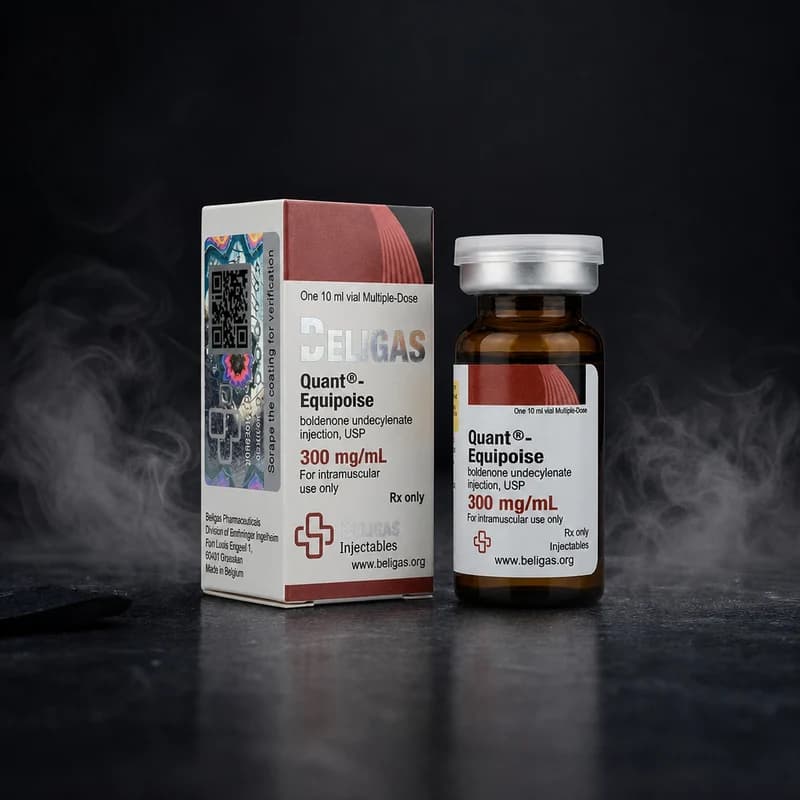
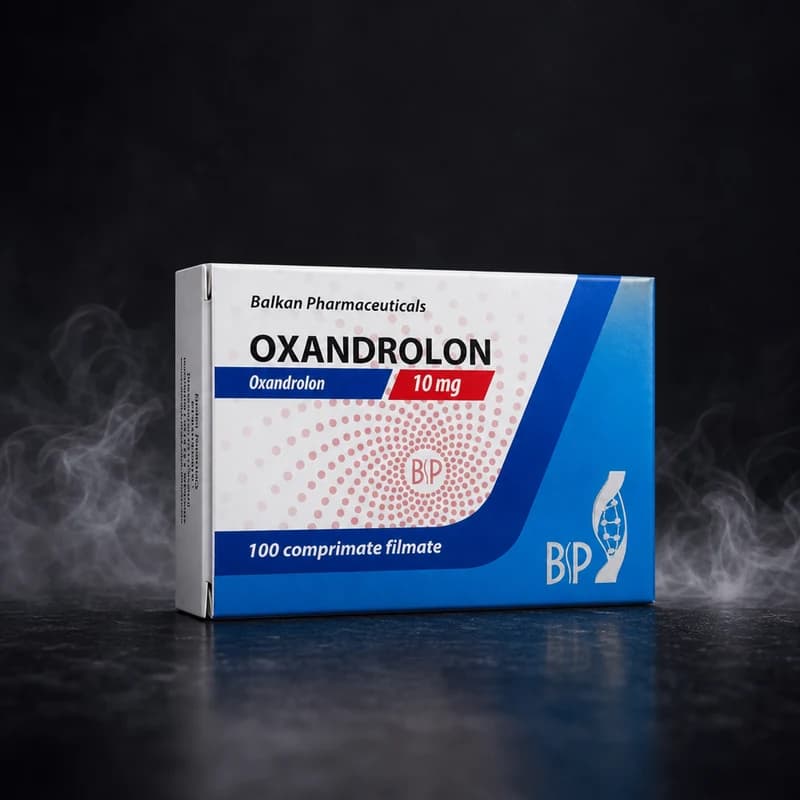
Contraindications: Oxamed is contraindicated in individuals with active hepatic disease, confirmed prostate or breast carcinoma, hypercalcaemia, or nephrotic syndrome. Women who are pregnant or may become pregnant must not use this product. Individuals with severe cardiovascular disease or uncontrolled dyslipidaemia should not initiate any Oxandrolone-containing stack.
Side Effects: Hepatotoxicity risk increases proportionally when Oxandrolone is stacked with other 17α-alkylated oral compounds; the combined hepatic load is greater than either agent in isolation. HDL suppression is amplified in multi-compound stacks and requires active lipid monitoring. Androgenic effects — including accelerated scalp hair thinning in genetically predisposed individuals — may be potentiated by concurrent androgen administration. Virilisation risk in female users is present even at low doses within a stack context.
Monitoring: Obtain a full hepatic panel (ALT, AST, bilirubin, ALP), lipid panel (total cholesterol, HDL, LDL, triglycerides), haematocrit, and serum testosterone at baseline before starting any stack. Repeat at four-week intervals throughout the cycle. Haematocrit elevation above 52 % warrants cycle suspension and medical review. Blood pressure should be self-monitored weekly when stacking with compounds known to increase fluid retention.
PCT: Post-cycle therapy planning must account for the entire hormonal suppression profile of the stack, not Oxandrolone's contribution in isolation. Allow plasma clearance of all stack compounds before initiating PCT. Standard SERM-based protocols (clomiphene or tamoxifen) are appropriate; dosing and duration should reflect the degree of gonadal suppression assessed via LH and FSH bloodwork drawn no earlier than 10 days after the last dose of any long-acting compound in the stack.

 Lab Tested