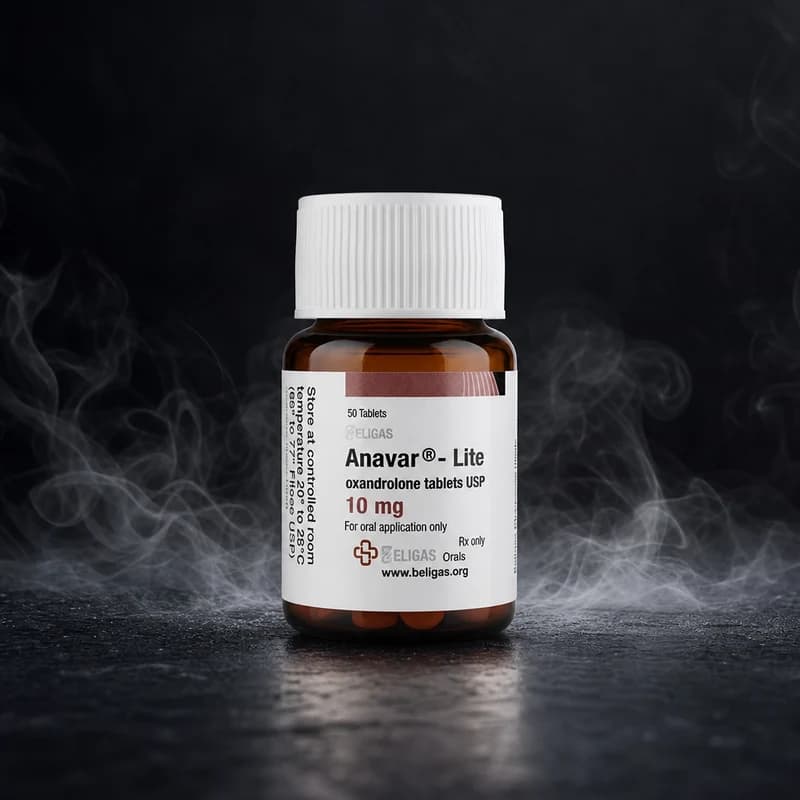
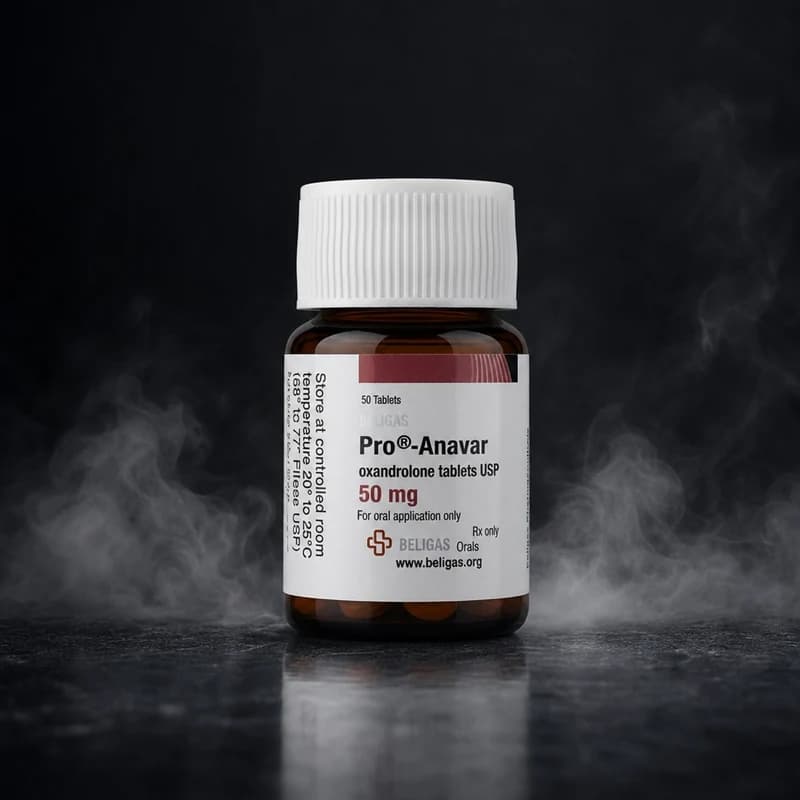
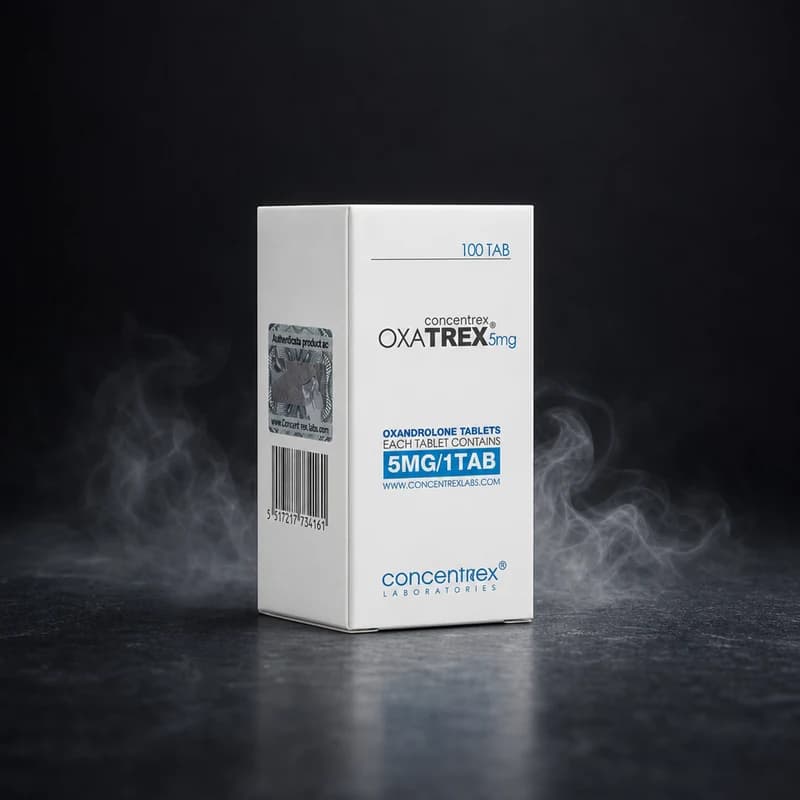
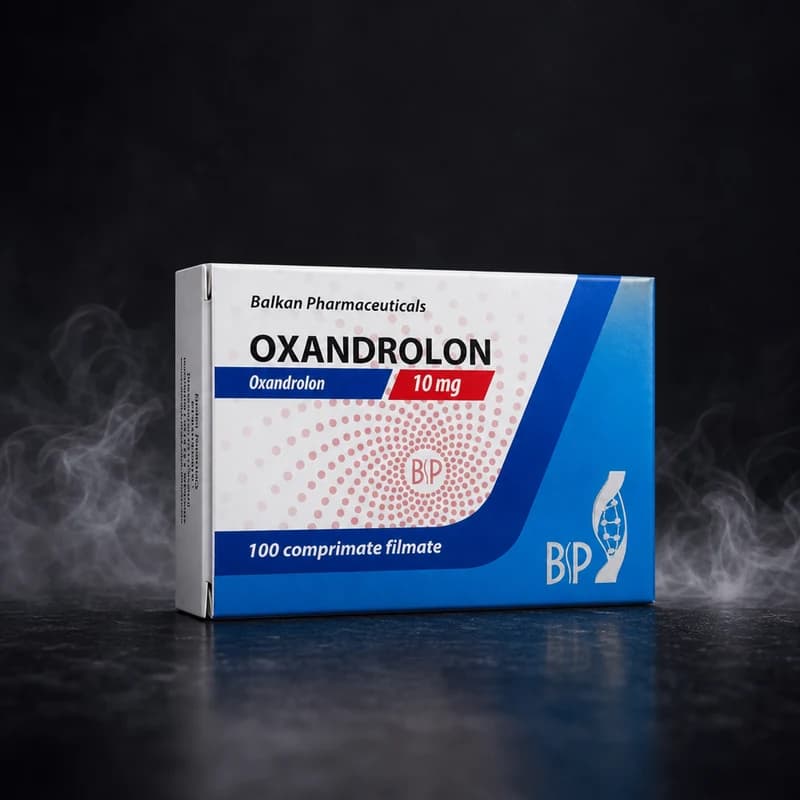
Contraindications: Oxabolon Rapid is contraindicated in individuals with active hepatic pathology, diagnosed dyslipidaemia uncontrolled by intervention, or known hypersensitivity to Oxandrolone or excipient components. Female users carry a virilisation risk that scales with dose and duration; the 10 mg unit is the only format allowing female-appropriate dose control, but clinical supervision remains mandatory. Individuals under 21 years of age should not use any exogenous anabolic agent.
Side Effects: At beginner doses (10–20 mg/day), the most commonly reported adverse effects are transient elevation of hepatic transaminases (ALT, AST), suppression of endogenous testosterone production via HPG-axis downregulation, and measurable reduction in HDL cholesterol documented in controlled clinical studies at equivalent dose ranges. Androgenic effects — acne, increased sebum production — are possible but occur with lower frequency than with fully androgenic compounds given Oxandrolone's selectivity profile.
Monitoring: First-cycle users should conduct bloodwork at three defined points: pre-cycle baseline, week 4 mid-cycle, and two weeks post-PCT. Required panels include ALT, AST, total and free testosterone, LH, FSH, HDL, LDL, and haematocrit. Any transaminase value exceeding twice the upper normal limit at mid-cycle requires immediate dose reduction and re-testing within 10 days rather than completion of the planned duration.
PCT: Post-cycle therapy is required after every Oxandrolone cycle, including first-cycle beginner runs. A standard Clomiphene Citrate or Tamoxifen Citrate protocol initiated 48 hours post-final-dose provides the HPG-axis stimulation needed to restore endogenous testosterone production within a clinically acceptable 4–6 week window. Do not substitute 'natural' OTC supplements for a structured SERM-based PCT on a first cycle.

 Lab Tested