forgemax.FORGED. TESTED. PROVEN.
MOD GRF 1-29 10mg/vial 1 Vial by Bio-Peptide
Lab Tested

MOD GRF 1-29 10mg/vial 1 Vial by Bio-Peptide

5 (2 reviews)

Mod GRF 1-29 (CJC-1295 without DAC) is a stabilised 29-amino-acid Growth Hormone-Releasing Hormone analogue supplied by Bio-Peptide as a lyophilised powder at 10 mg per vial — engineered to pair with a GHRP such as Ipamorelin to drive coordinated, amplified GH pulses via simultaneous pituitary receptor activation. The 10 mg/vial fill supports uninterrupted multi-week research runs, delivering more injection sessions per vessel than any lower-concentration format in this product group. Every batch clears two mandatory external checkpoints before release: HPLC analysis confirms sequence identity and purity, and a LAL endotoxin assay certifies microbiological safety at the batch level.

€34.00Free shipping on orders over €300
In stock
Ships within 48 h Lab-tested batch
  • Activates pituitary GHRH receptors directly, priming somatotrophs for a coordinated GH pulse when stacked with a GHRP.
  • Produces physiologically timed, pulsatile GH release rather than sustained elevation, preserving receptor sensitivity across long cycles.
  • Carries no documented cortisol or prolactin elevation — simplifying hormonal monitoring compared with older GHRP-6-based stacks.
  • 30-minute subcutaneous half-life synchronises precisely with Ipamorelin's action window for co-injection convenience.
  • 10 mg/vial concentration supports 8–12 week research protocols without disruptive mid-cycle vial replacements.
  • Each batch released only after independent HPLC sequence confirmation and LAL endotoxin certification.
  • Lyophilised powder format ensures ambient-stable shipping and up to 28-day refrigerated solution stability post-reconstitution.

Key takeaways

  • Pair Mod GRF 1-29 with Ipamorelin for synergistic, pulsatile GH amplification.
  • Inject on an empty stomach to maximise GHRH-receptor-driven GH pulse response.
  • Reconstitute with bacteriostatic water; refrigerate and use within 28 days.
  • Verify each batch independently — Bio-Peptide uses HPLC and LAL certification.
  • Utilise the 10 mg/vial fill for uninterrupted multi-week stack protocols.

Mod GRF 1-29: The GHRH Side of the Classic GH-Stack

Mod GRF 1-29 is a stabilised analogue of the first 29 residues of endogenous Growth Hormone-Releasing Hormone, modified at four positions to resist rapid dipeptidyl-peptidase IV degradation while preserving full GHRH-receptor agonism. In a pulsatile GH stack, Mod GRF 1-29 fulfils the role the hypothalamus normally plays: it signals the pituitary somatotrophs to prepare and release a GH pulse. Without a co-administered GHRP, that signal produces only a modest release; when Mod GRF 1-29 is combined with Ipamorelin — a selective ghrelin-receptor agonist — the two peptides act on different pituitary receptor populations simultaneously, amplifying the GH pulse three- to five-fold compared with either peptide used in isolation (based on rodent and early human pharmacokinetic data).

Why the Mod GRF 1-29 + Ipamorelin Stack Is Considered the Reference Protocol

The Mod GRF 1-29 + Ipamorelin combination is regarded as the benchmark GH-secretagogue stack because it reproduces the two-signal (GHRH + ghrelin-axis) architecture of natural pulsatile secretion. Ipamorelin suppresses somatostatin tonus and independently recruits ghrelin receptors; Mod GRF 1-29 simultaneously occupies pituitary GHRH receptors. Together they drive coordinated, physiologically timed GH pulses rather than the blunted, continuous elevation associated with exogenous HGH administration. This pulse structure supports diurnal IGF-1 production, maintains receptor sensitivity across multi-week protocols, and avoids the desensitisation seen with persistent GHRH-only administration.

Concentration, Quality Verification and Storage

Bio-Peptide's 10 mg/vial fill is the highest concentration available in this product group, supporting longer research runs without mid-cycle vial changes. Each vial undergoes dual external laboratory validation: HPLC (High-Performance Liquid Chromatography) confirms molecular sequence identity and purity percentage, while a LAL (Limulus Amebocyte Lysate) endotoxin screen certifies microbiological safety — both results are documented per batch. The lyophilised format stores stably at −20 °C to 2–8 °C before reconstitution; once bacteriostatic water is added, the solution remains viable for up to 28 days under refrigeration.

Key Mechanistic Facts for Research Context

Mod GRF 1-29 binds and activates the pituitary GHRH receptor with high affinity. Its plasma half-life after subcutaneous injection is approximately 30 minutes, matching the natural GH-pulse window and making it suitable for acute co-administration with Ipamorelin. The peptide itself carries no cortisol- or prolactin-raising activity — a documented advantage over older GHRH analogues such as GHRP-6 — which simplifies side-effect monitoring during extended protocols.

Usage

  1. RECONSTITUTION: Draw 1–2 mL of bacteriostatic water into a sterile insulin syringe; inject slowly along the inner wall of the Mod GRF 1-29 vial to minimise peptide foaming. Swirl gently until the lyophilised powder fully dissolves — do not vortex or shake.
  2. STACK PREPARATION: Reconstitute Ipamorelin separately in its own vial using the same technique. Draw both peptides into a single insulin syringe for each co-injection to ensure simultaneous receptor activation.
  3. INJECTION SITE: Administer subcutaneously — abdomen or lateral thigh preferred — rotating sites across sessions to avoid localised tissue irritation.
  4. TIMING: Inject on an empty stomach (minimum 2 hours post-meal) to prevent insulin-mediated blunting of the GH pulse. Morning, post-workout, and pre-sleep windows are the three validated timing options for the Mod GRF + Ipamorelin stack.
  5. STORAGE AFTER OPENING: Cap the reconstituted vial, label with the date, and refrigerate at 2–8 °C. Discard any remaining solution after 28 days to ensure peptide integrity.
  6. MONITORING: Track serum IGF-1 at baseline and every 4 weeks during the protocol. Document injection log entries (time, dose, site) to identify any dose-response patterns or tolerability signals across the stack cycle.

Warnings

Contraindications: Not indicated for individuals under 18 years of age, those with active malignancy or history of pituitary tumours, or anyone with known hypersensitivity to synthetic GHRH analogues. Pregnancy and lactation represent absolute contraindications. Persons with acromegaly or uncorrected hypothyroidism should not use GHRH-pathway peptides.

Side Effects: Transient injection-site redness or mild oedema is the most commonly reported local reaction. Systemic effects may include water retention, peripheral tingling (associated with acute IGF-1 elevation), and transient headache following supraphysiological GH pulses. Unlike GHRP-6, Mod GRF 1-29 does not carry pharmacological cortisol or prolactin elevation risk, but individual variation exists.

Monitoring: Obtain baseline serum IGF-1, fasting glucose, and thyroid panel before beginning any GHRH + GHRP protocol. Repeat IGF-1 measurement every four weeks using a standardised immunoassay method. Monitor fasting glucose periodically, as sustained GH elevation can reduce insulin sensitivity in susceptible individuals.

PCT: Mod GRF 1-29 does not suppress the hypothalamic–pituitary–gonadal axis and therefore does not require classic post-cycle therapy (SERMs or aromatase inhibitors). A structured off-period of 4–8 weeks between cycles is advised to maintain pituitary GHRH-receptor sensitivity and preserve robust endogenous GH pulsatility.

Frequently asked questions

Why should you stack Mod GRF 1-29 with Ipamorelin rather than using either peptide alone?
Stacking Mod GRF 1-29 with Ipamorelin amplifies GH output because the two peptides target distinct pituitary receptor populations simultaneously — GHRH receptors and ghrelin/GHS receptors respectively. When co-administered, research data indicate GH pulse amplitude increases three- to five-fold compared with either compound used in isolation. This synergy also preserves the pulsatile, physiological secretion pattern that single-agent continuous GHRH fails to replicate.
How many injections per day are used in a Mod GRF 1-29 and Ipamorelin research protocol?
Most structured research protocols call for two to three co-injections daily — morning on an empty stomach, post-workout, and optionally before sleep. Each administration delivers both peptides within the same subcutaneous injection to synchronise receptor activation. Daily injection frequency is kept to three or fewer to allow endogenous GH axis recovery between pulses and reduce receptor desensitisation over multi-week runs.
What is the optimal timing for Mod GRF 1-29 and Ipamorelin injections to maximise GH pulse response?
Optimal timing targets periods of naturally low somatostatin tonus: first thing in the morning after an overnight fast, immediately post-exercise when endogenous GH is already elevated, and just before sleep when the largest physiological nocturnal pulse occurs. Avoiding injections within two hours of a carbohydrate- or fat-rich meal matters because insulin elevation blunts GH secretion, reducing stack efficacy.
How do you reconstitute and store the Bio-Peptide Mod GRF 1-29 10mg/vial, and how long does the solution remain stable?
Add 1–2 mL of bacteriostatic water to the lyophilised powder using a sterile insulin syringe, directing the stream along the vial wall to avoid foaming. Swirl gently — never shake. Once reconstituted, store the vial at 2–8 °C (refrigerator); the solution remains viable for up to 28 days. The un-opened lyophilised vial can be kept at −20 °C for long-term preservation.
Why is the 10mg/vial concentration of Mod GRF 1-29 an advantage for multi-week stacking protocols?
At 10 mg per vial — the highest concentration in this Bio-Peptide peptide group — researchers can run a full four-week protocol (100 mcg per injection, three injections daily) from fewer vials, minimising mid-cycle reconstitution breaks and reducing variability in dosing consistency. This high-fill format is particularly practical when Mod GRF 1-29 is run continuously alongside Ipamorelin over 8–12 week research periods. (2) angle_used

Manufacturer

Bio-Peptide's route to becoming a recognised name in the European research-peptide sector was shaped by a constraint the company embedded at the architectural level of its production workflow — not as a marketing statement, but as an operational prerequisite that predated any volume targets. The founding premise was specific: no vial would ship bearing the Bio-Peptide label unless it had cleared two independent, externally conducted checkpoints. The first checkpoint is HPLC (High-Performance Liquid Chromatography) analysis run by a contracted third-party laboratory, tasked with confirming the peptide's molecular sequence identity and returning a documented purity percentage for that exact batch. The second is a LAL (Limulus Amebocyte Lysate) endotoxin assay — the same bacterial-contamination detection standard applied in pharmaceutical-grade injectable production — certifying that endotoxin levels fall within safe limits before the product is released. What distinguishes this framework in practice is its non-conditional character: volume pressures, supply timelines, and commercial demand have not historically been accepted as grounds for bypassing either checkpoint. For a compound like Mod GRF 1-29 — administered by subcutaneous injection and intended for precise, time-sensitive research protocols — this release architecture translates directly into researcher confidence that what is in the vial matches what is on the label, batch after batch.

Product details

BrandBio-Peptide
Active ingredientmod grf 1-29
Also known asMod GRF 1-29, CJC-1295 ohne DAC, CJC no DAC, Bio-Peptide Mod GRF 1-29
Strength10 mg
FormVial
Pack size1 piece
Item numberPEPT-MGRF-BIO-001

Reviews

5/5

2 reviews

  • Rating: 5 out of 5 starsice56Verified purchase

    Sleep and recovery sorted

    stacking MOD GRF 1-29 at 100mcg with GHRP-6 before bed. sleep quality went through the roof by week 2, waking up feeling actually recovered for the first time in years. GH pulse feels strong, IGF-1 came back at 280 ng/ml up from 190 baseline. Powder was white and clean, dissolved immediately. Solid stuff

  • Rating: 5 out of 5 starsninja37Verified purchase

    Exactly what I needed

    100mcg three times daily, fasted. Joints feel better, skin looks better, and I'm leaning out without changing my diet much. Been running 12 weeks now, no sides to speak of. Bloodwork all normal. Delivery was fast and packaged properly. Would recommend to anyone serious about their GH protocol.

Write a review

Your rating *

Your review will be checked before publication.

Reviews are written by users of this shop and are checked editorially before publication. Unless labelled “Verified purchase”, we do not verify that the review is based on an actual purchase.

Similar products

CJC-1295 no DAC 5mg/vial 1 Vial by Knoll PharmaceuticalsHPLC Verified

CJC-1295 no DAC 5mg/vial 1 Vial by Knoll Pharmaceuticals

€32.00
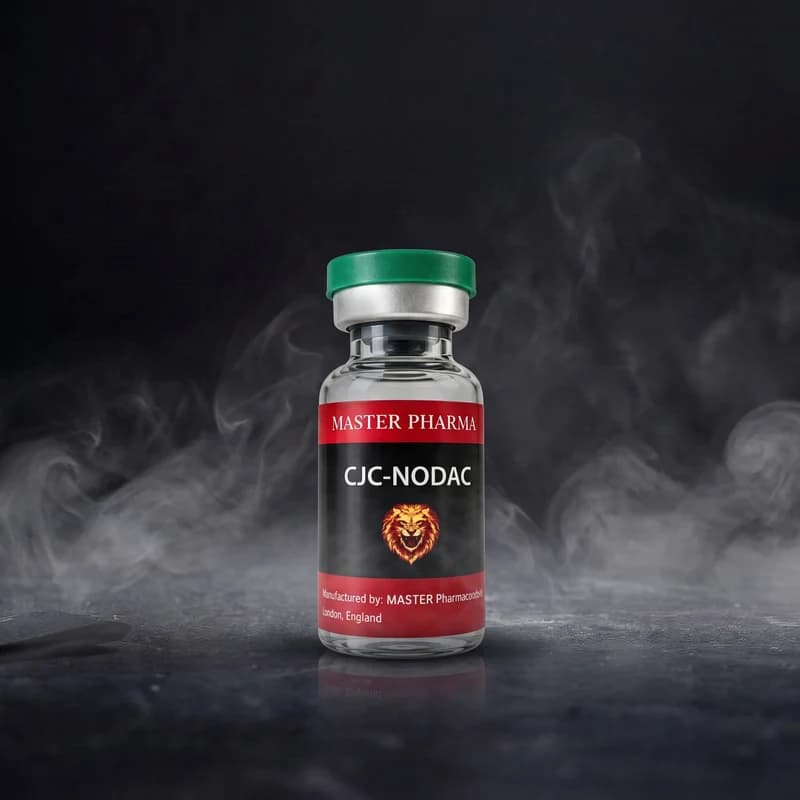
CJC-NODACBatch Tested

CJC-NODAC 5mg/vial 1 Vial by Master Pharma

€35.00

Stack it with

Pairs well with these products.

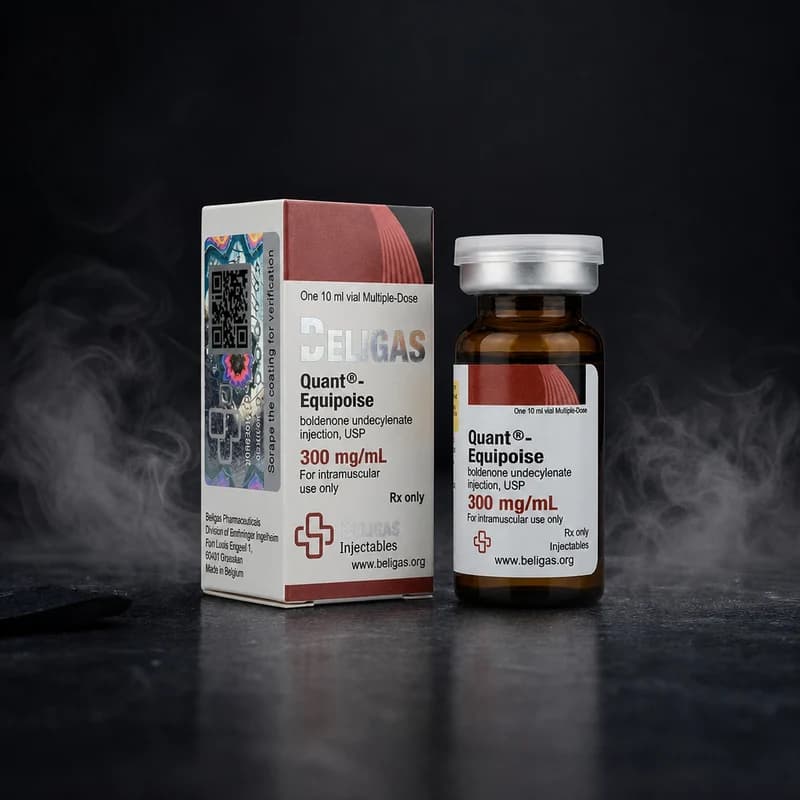
Quant-Equipoise 300mg/ml 10ml Vial by Beligas PharmaceuticalsHigh Concentration

Quant-Equipoise 300mg/ml 10ml Vial by Beligas Pharmaceuticals

€47.00
Bolden-250 250mg/ml 10x1ml Ampoules by BM PharmaceuticalsLong-Acting Formula

Bolden-250 250mg/ml 10x1ml Ampullen by BM Pharmaceuticals

€48.00
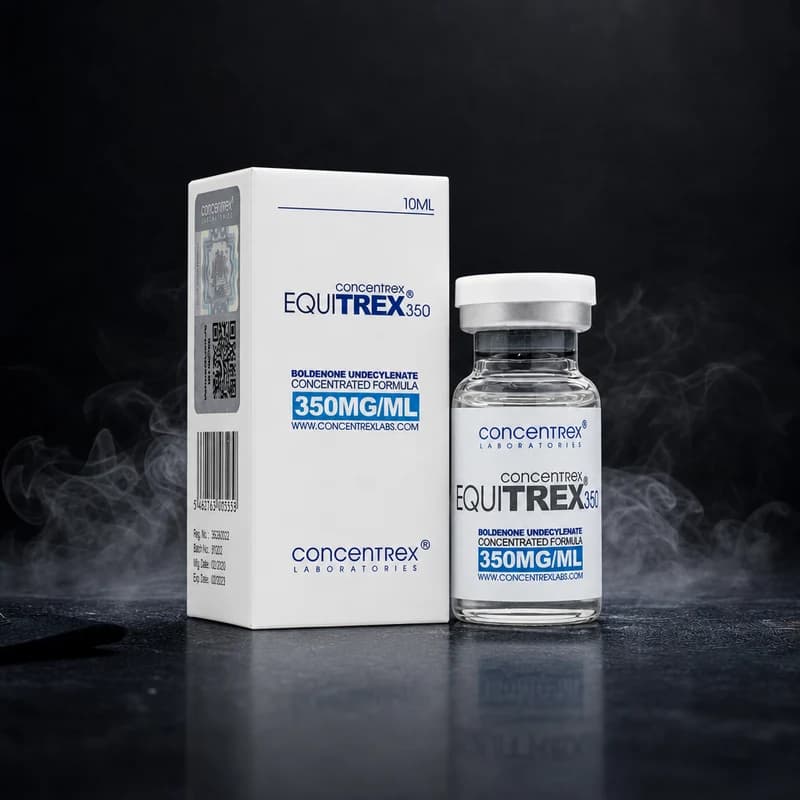
EquiTrex 350mg/ml 10ml Vial by Concentrex LabsBrand Quality

EquiTrex 350mg/ml 10ml Vial by Concentrex Labs

€52.00
EQ 300 300mg/ml 10ml Vial by Dragon-PharmaPro Choice

EQ 300 300mg/ml 10ml Vial by Dragon-Pharma

€44.00