Androgen Receptor Binding: The Central Mechanism of Methyltestosterone
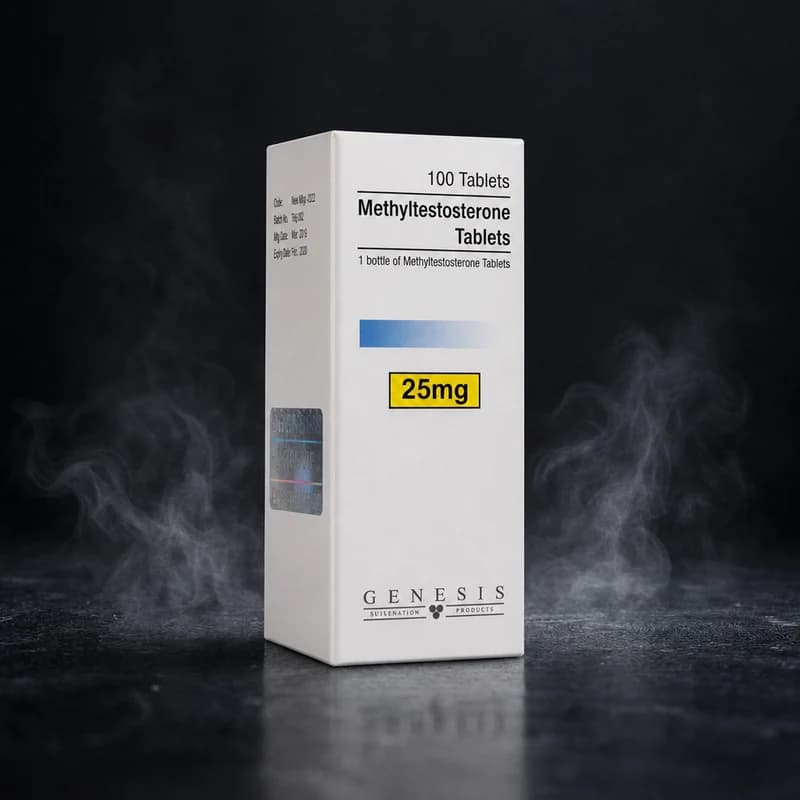
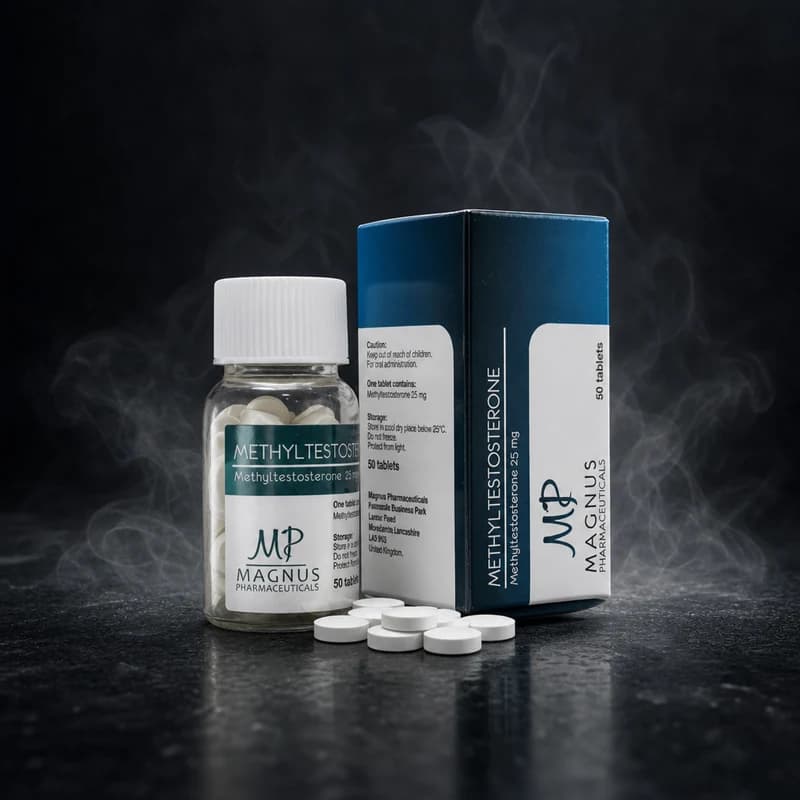
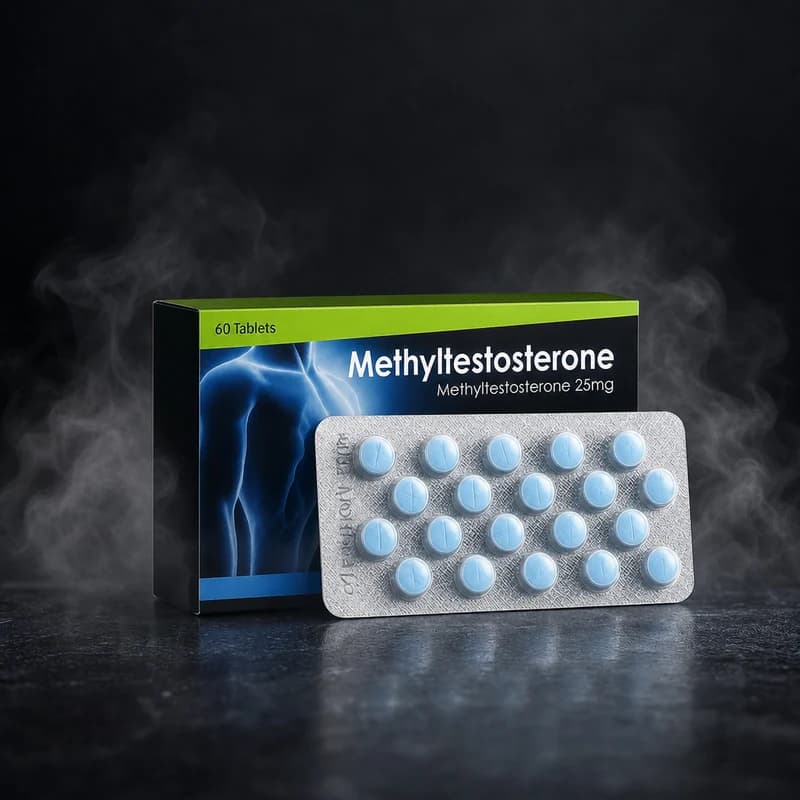
MeTrex (Methyltestosterone 5 mg/tab) is a synthetic 17α-alkylated androgen whose primary pharmacological action is defined by direct, high-affinity occupancy of the intracellular androgen receptor, triggering downstream genomic transcription rather than relying on enzymatic conversion intermediates for activity. Unlike esterified testosterone injectables, which require esterase-mediated hydrolysis before AR engagement can occur, Methyltestosterone reaches the receptor in its administered form — making the receptor-binding step the rate-limiting event in its pharmacodynamics. This structural directness is the compound's defining mechanistic feature.
Methyltestosterone binds the androgen receptor with an affinity that, while lower than that of DHT (dihydrotestosterone) itself, exceeds that of unmodified testosterone at the receptor-complex level under oral delivery conditions — because the 17α-methyl group prevents the hepatic oxidation that would otherwise reduce active compound reaching systemic circulation. The androgen receptor, once occupied, undergoes a conformational change, dissociates from heat-shock proteins, dimerises, and translocates to the nucleus where it acts as a ligand-activated transcription factor at androgen-response elements (AREs). Concentrex Labs' HPLC-verified per-tablet potency specification ensures that each 5 mg dose delivers a pharmacologically consistent AR-ligand load.
DHT Lineage and Structural Determinants of Activity
As a compound structurally derived from the DHT lineage, Methyltestosterone carries the C17α-methyl modification onto a testosterone backbone — a deliberate structural choice that simultaneously confers oral bioavailability and influences the receptor-binding geometry. Compared to non-alkylated androgens, the 17α-methyl group does not materially alter the A/B-ring face that docks into the AR ligand-binding domain, meaning receptor engagement geometry is largely preserved while metabolic deactivation is suppressed. The compound does not convert appreciably to a more potent receptor agonist via 5α-reductase in the way that testosterone converts to DHT; its activity profile is therefore largely AR-direct.
Three pharmacological statements define MeTrex mechanistically: Methyltestosterone occupies the androgen receptor directly without requiring prior esterase hydrolysis; the 17α-methyl modification suppresses hepatic first-pass oxidation and extends receptor-available circulating compound; and HPLC-confirmed tablet potency at 5 mg/unit provides a reproducible receptor-ligand dose per administration. These properties make Methyltestosterone a reference compound in androgen receptor pharmacology and a historically significant oral androgen in sports medicine literature.
Analytical Release Standards Supporting Dosing Confidence
Concentrex Labs subjects every MeTrex batch to finished-product HPLC quantification; the resulting potency figure is matched against a certified pharmacopoeial Methyltestosterone reference standard and recorded in a lot-specific batch release document. LAL (Limulus Amebocyte Lysate) endotoxin testing provides a secondary safety parameter within the same release framework. For a compound whose mechanism is defined by precise receptor occupancy, verified per-tablet content is not incidental — it is mechanistically relevant.

 HPLC Verified