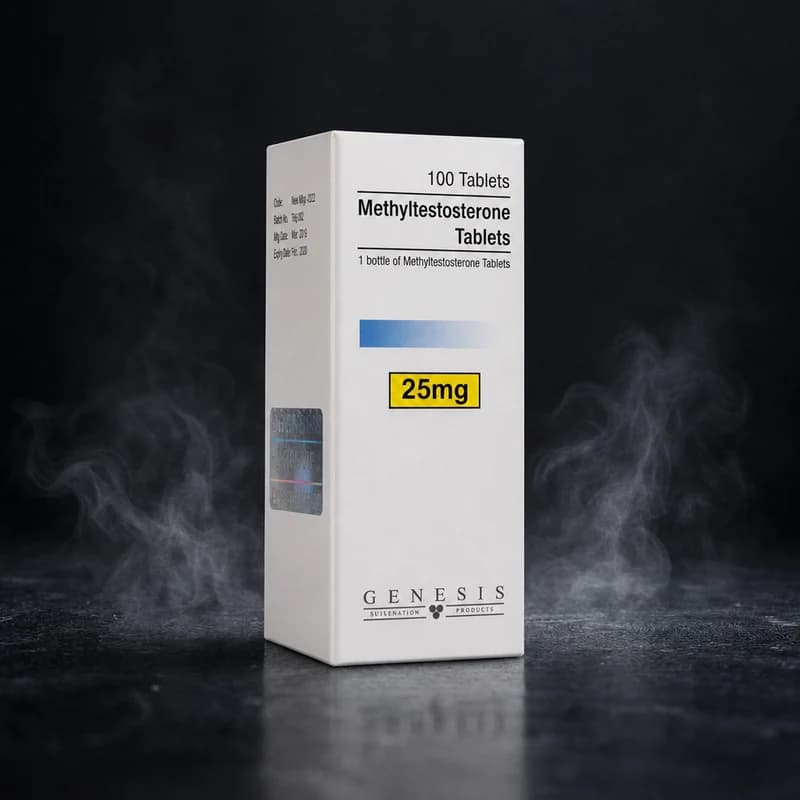
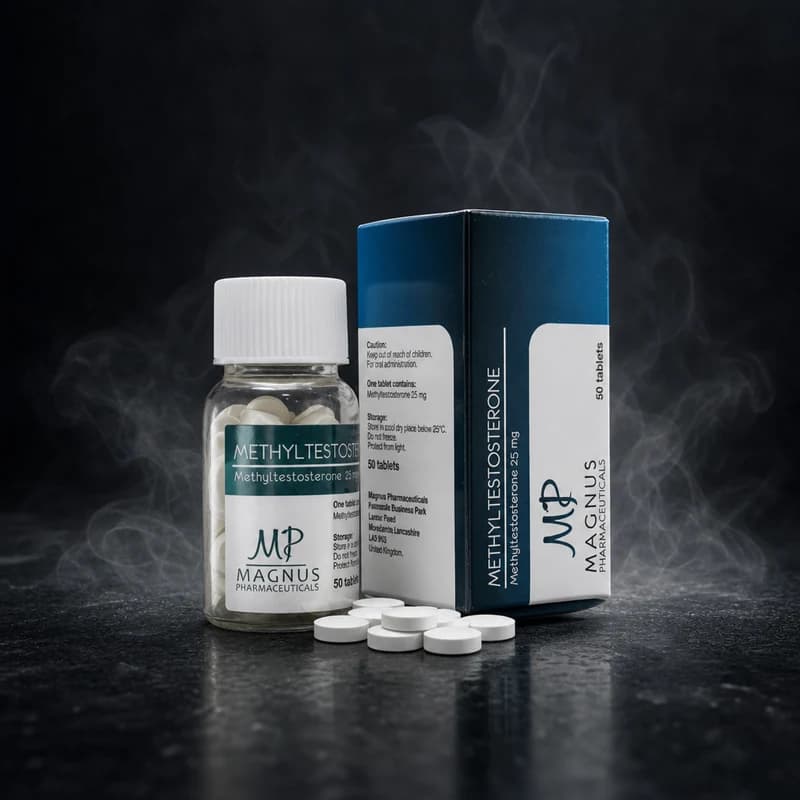
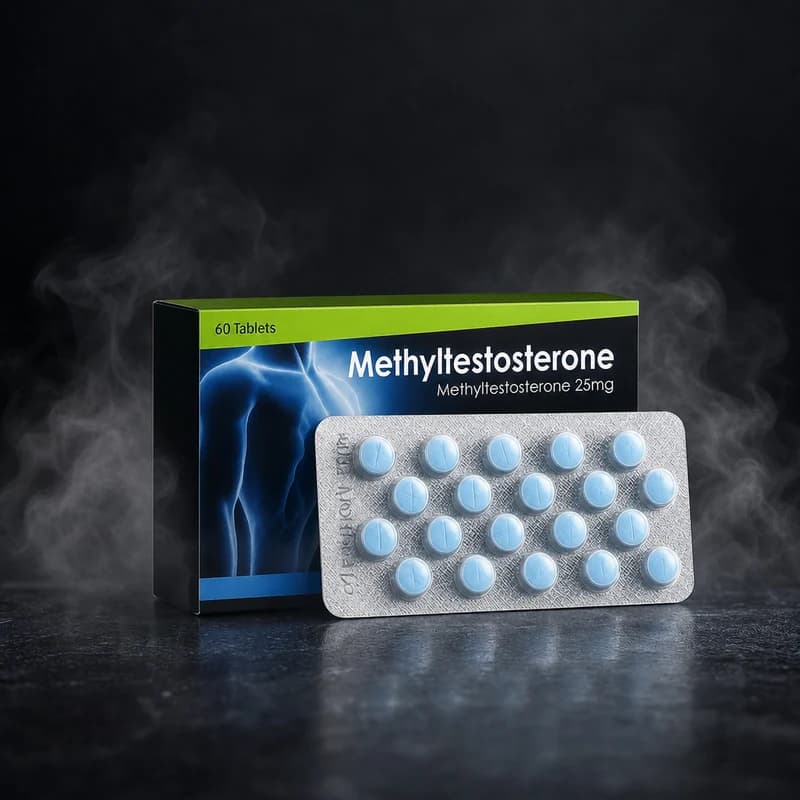
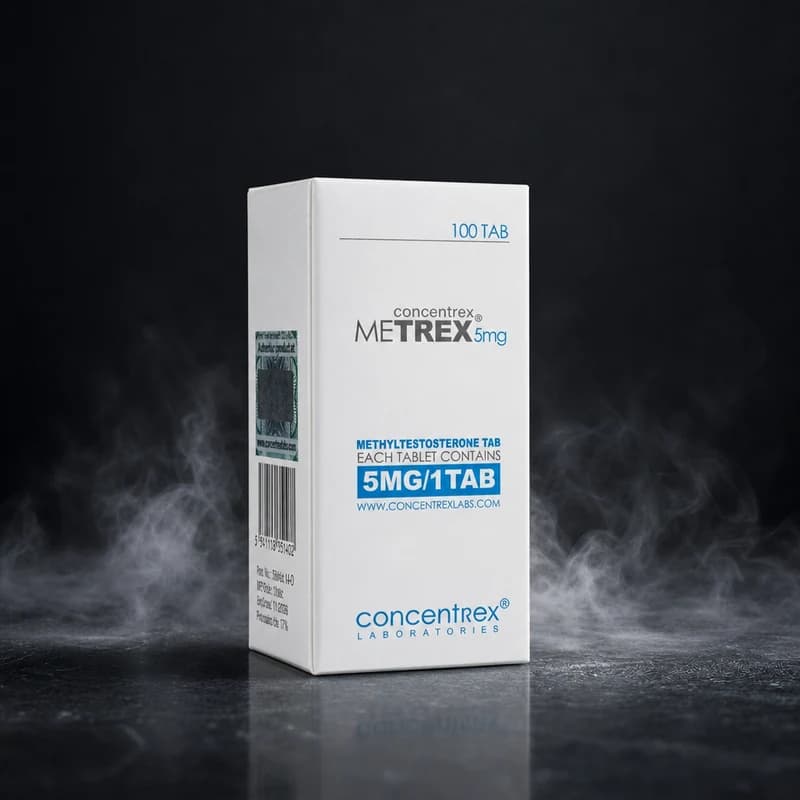
Contraindications: Methyltestosterone is contraindicated in individuals with pre-existing hepatic impairment, prostate carcinoma, or breast carcinoma. Women who are pregnant or breastfeeding must not use this compound. Individuals with a history of androgen-sensitive cardiovascular conditions, including polycythaemia or severe dyslipidaemia, should avoid use.
Side Effects: As a 17α-alkylated oral androgen, Methyltestosterone carries hepatotoxic potential proportional to dose and duration; elevated liver enzymes (ALT, AST) are the primary biochemical marker. Androgenic effects — including accelerated scalp hair loss in predisposed individuals, acne, and increased sebum production — may occur. Endogenous testosterone suppression begins with initial use due to the compound's androgenic potency; lipid profile disruption, particularly HDL reduction, is a documented effect of oral androgens.
Monitoring: Conduct baseline and mid-cycle blood panels covering liver function tests (ALT, AST, GGT), complete blood count, and lipid panel. Given the short half-life, steady-state plasma androgen levels are established within 24 hours of initiating split-dose protocols; however, cumulative hepatic exposure is time-dependent and warrants monitoring at 3–4-week intervals during any cycle exceeding 4 weeks. Blood pressure and haematocrit should also be assessed.
PCT: Post-cycle therapy should commence promptly after the final tablet — Methyltestosterone's short plasma half-life means the compound clears systemically within 24–48 hours of cessation, allowing earlier PCT initiation compared to long-ester injectable androgens. A standard SERM-based protocol (e.g., Nolvadex or Clomid) initiated 24–48 hours after the last dose is appropriate to support recovery of the hypothalamic-pituitary-testicular axis.

 Lab Tested