Injectable Trestolone Acetate and the Bioavailability Advantage
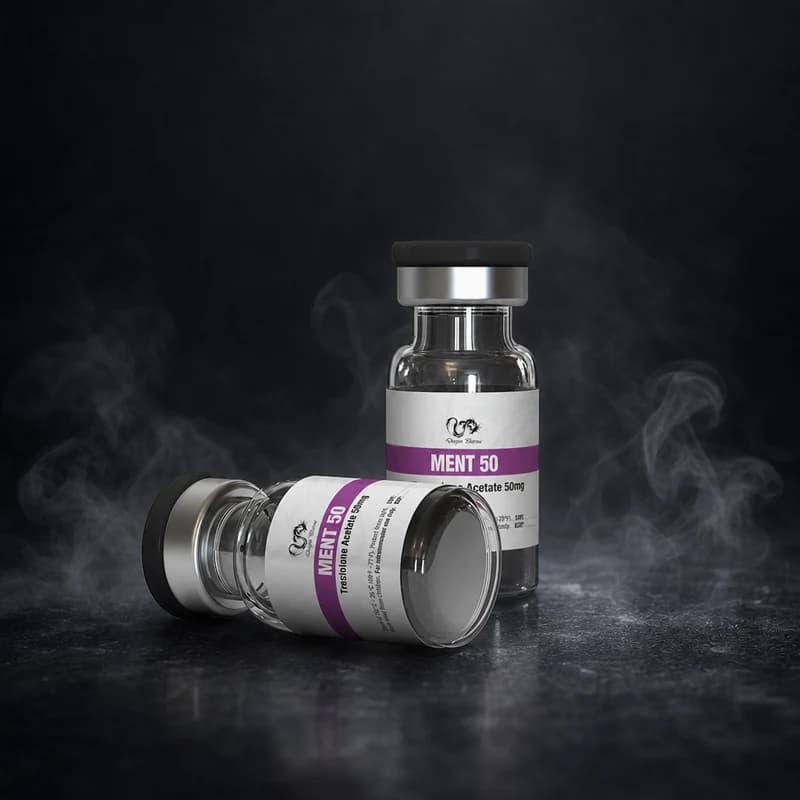
Trestolone Acetate delivered intramuscularly reaches systemic circulation with a bioavailability profile that oral androgen formulations structurally cannot match, because the injection route deposits the esterified compound directly into muscle tissue, from which hydrolytic esterases cleave the acetate moiety and release free Trestolone into venous return — entirely upstream of hepatic first-pass metabolism. Oral androgens, by contrast, must survive gastric acid, intestinal wall enzymes, and a mandatory first hepatic transit before entering systemic circulation; this sequential degradation reduces the fraction of active compound reaching androgen receptors, often to a small percentage of the administered dose. Imperia Laboratories formulates this product at 50 mg/ml precisely because injectable delivery makes the declared concentration a reliable predictor of plasma exposure, not an aspirational figure discounted by absorption losses.
First-Pass Metabolism: Why the Liver Matters for Oral Compounds
First-pass metabolism is the principal reason injectable androgens are considered the reference standard for bioavailability in clinical and performance pharmacology. When any orally administered androgen is absorbed through the small intestine and transported via the portal vein, hepatocytes encounter and partially oxidise the molecule before it enters general circulation — a process quantified in pharmacokinetic studies through the extraction ratio (E), where bioavailability equals 1 − E. Compounds engineered to resist this degradation, such as 17-alpha-alkylated orals, accomplish hepatic survival at the cost of enzyme induction and hepatotoxic burden. Trestolone Acetate is not 17-alpha-alkylated; its route of administration — intramuscular injection — is the mechanism that preserves it from first-pass loss without imposing structural hepatotoxicity from alkylation.
Absorption Kinetics: Injectable Depot vs. Oral Bolus
After an intramuscular injection, the acetate ester creates a transient intramuscular depot from which Trestolone Acetate is absorbed at a rate governed primarily by local blood flow and the short lipophilic chain length of the acetate group. Compared to longer esters such as enanthate or decanoate, the acetate chain produces a shorter depot half-life, which translates into a more frequent injection schedule but also into faster equilibration to steady-state plasma concentrations when dosing is consistent. Imperia Laboratories' ten individual 1 ml ampoules support this injection frequency by providing single-use sterile units for every administration, eliminating the contamination risk and concentration drift associated with repeatedly accessing a multi-dose vial. Reversed-phase HPLC confirms that each ampoule contains 50 mg/ml ± the validated acceptance limit, ensuring that pharmacokinetic modelling based on the label concentration is analytically defensible.
Manufacturing Standards Supporting Bioavailability Claims
Imperia Laboratories' analytical release procedure anchors every bioavailability assertion made for this product in instrument-verified data rather than calculated theory. Trestolone Acetate content per ampoule is quantified by reversed-phase HPLC using a certified reference standard; endotoxin safety is confirmed by the LAL test; and the vehicle's sterility is validated under cGMP manufacturing conditions. These three checkpoints — HPLC quantification, LAL endotoxin testing, and cGMP sterility assurance — collectively ensure that the injectable format performs as its pharmacokinetic profile predicts: high bioavailability, predictable plasma kinetics, and a dose-to-exposure relationship that justifies the precision of protocol-based dosing.

 Fast Acting