What Is Bluepeps Hexarelin 20 mg and Why Does Handling Protocol Matter?
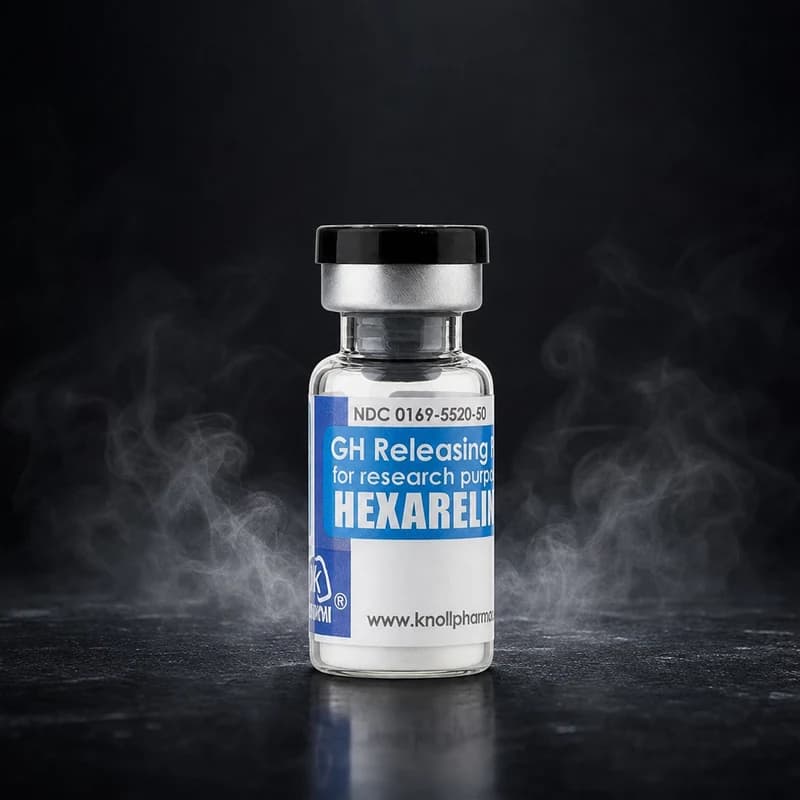
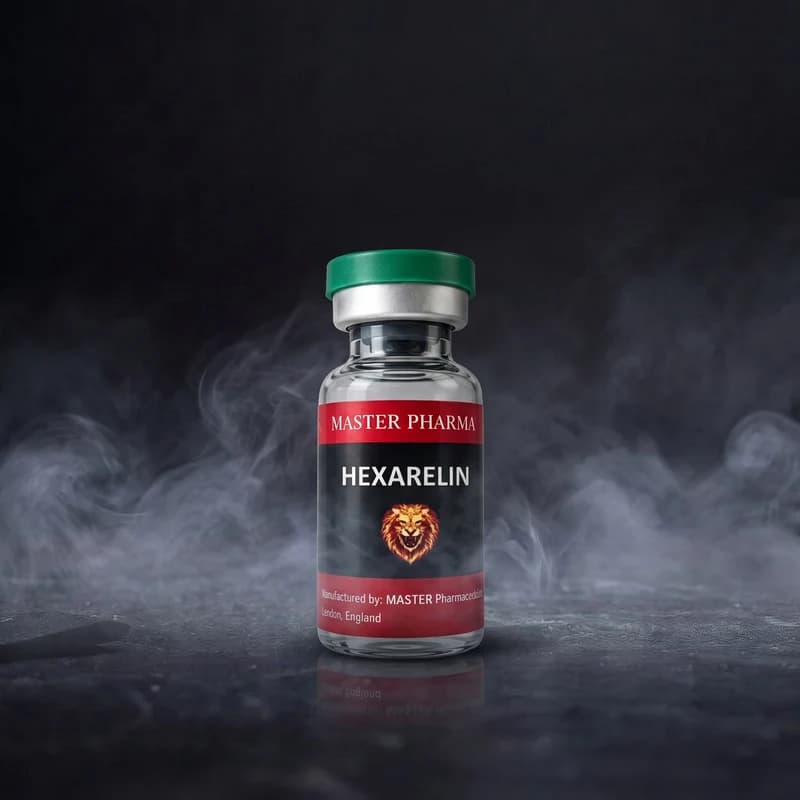
Blueeps Hexarelin 20 mg/vial is a synthetic hexapeptide growth-hormone secretagogue produced in lyophilised powder form, where correct reconstitution, refrigeration and injection technique determine whether the peptide reaches target tissue in active, structurally intact condition. At 20 mg per vial, this format holds the largest peptide mass in the current Hexarelin range, meaning every handling error carries a proportionally higher cost. Hexarelin activates the ghrelin receptor (GHS-R1a) as well as the CD36 scavenger receptor, triggering pulsatile GH release from pituitary somatotrophs — a mechanism that can only function if the peptide arrives at the injection site undegraded.
Reconstitution: Method and Volume Selection
Bacteriostatic water (BAC water, 0.9 % benzyl alcohol) is the standard reconstitution solvent for Hexarelin, because benzyl alcohol inhibits microbial growth during the multi-use draw period compared to sterile water, which permits no safe storage once opened. Inject BAC water slowly down the vial wall — never directly onto the lyophilised cake — and swirl gently rather than vortexing; aggressive agitation fragments the peptide chain. For a 20 mg vial, adding 2 mL of BAC water yields a working concentration of 10 mg/mL (10,000 mcg/mL), giving fine-grained dosing control with a standard U-100 insulin syringe.
Cold-Chain Storage and Shelf Life After Reconstitution
Unreconstituted lyophilised Hexarelin remains stable at 2–8 °C for the manufacturer's declared shelf life; short transit exposure up to 25 °C for under 72 hours is generally tolerated without measurable degradation, a benchmark aligned with ICH Q1A(R2) stability guidelines for peptide APIs. Once reconstituted, the vial must be refrigerated continuously at 2–8 °C and used within 28 days; freeze-thaw cycling after reconstitution irreversibly damages secondary structure. Bluepeps seals each vial under inert atmosphere post-lyophilisation, which the Batch Tested certificate of analysis confirms prior to shipment.
Subcutaneous Injection Technique
Subcutaneous administration into the abdominal pinch-fold delivers Hexarelin into the loose connective tissue, where capillary absorption produces a plasma half-life of approximately 30 minutes. A 29–31 gauge, 8 mm insulin syringe minimises tissue trauma and is sufficient for SC depth in most users. Rotate injection sites across a defined grid — left/right of navel, alternating quadrants — to prevent localised lipodystrophy across a multi-week protocol.

 Lab Tested