forgemax.FORGED. TESTED. PROVEN.
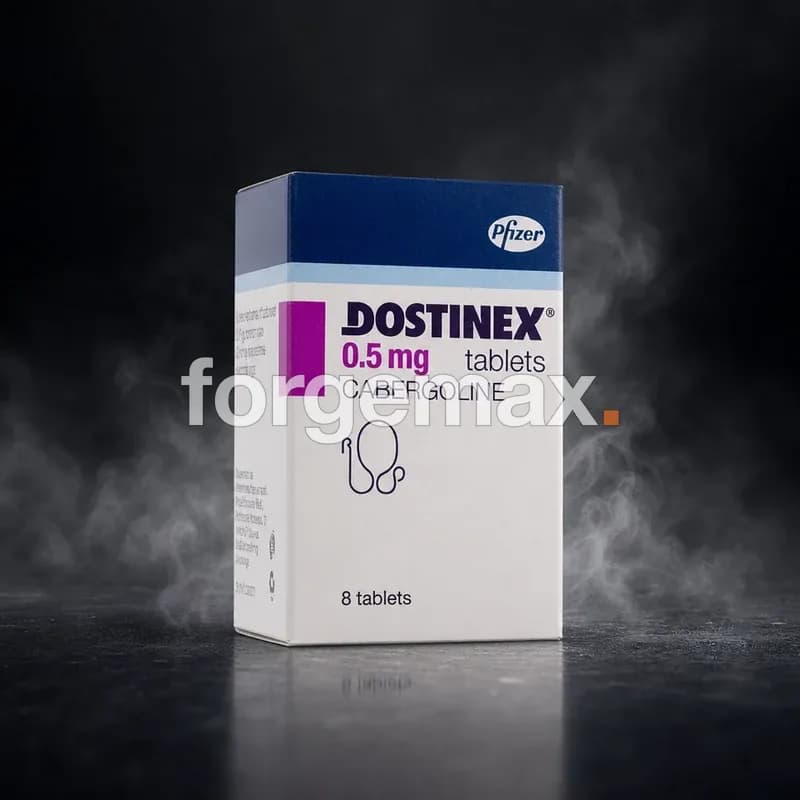
Dostinex 0.5mg/tab 8 Tabletten by Pfizer
HPLC Verified

Dostinex 0.5mg/tab 8 Tabletten by Pfizer

5 (2 reviews)

Pfizer Dostinex provides cabergoline at 0.5 mg per tablet — the entry-level unit that precision-focused PCT frameworks favour for stepwise prolactin normalisation without overshooting the physiological trough. Eight blister-packed tablets give practitioners a full initial recovery window at the lowest effective Pfizer cabergoline concentration. Every production lot is released only after in-house HPLC potency analysis at Pfizer's GMP-certified European facilities confirms label-accurate cabergoline content.

€60.00Free shipping on orders over €300
In stock
Ships within 48 h Lab-tested batch
  • Lowest available Pfizer cabergoline unit (0.5 mg) enables precise, stepwise prolactin titration
  • Eight-tablet blister covers a full four-to-eight-week modern PCT window depending on dose frequency
  • Selective D2 dopamine receptor activation targets pituitary lactotrophs without cross-reactivity to gonadotrophin pathways
  • Extended plasma half-life of approximately 63–69 hours supports a manageable twice-weekly schedule
  • HPLC batch-release testing at Pfizer's GMP facility confirms ±5 % pharmacopoeial potency compliance
  • Pharma-grade excipients subjected to LAL endotoxin testing alongside active-ingredient verification
  • Original manufacturer blister packaging maintains tablet integrity and provides clear per-dose traceability

Key takeaways

  • Integrate Dostinex 0.5 mg early in your modern PCT protocol for targeted prolactin control.
  • Titrate dosage stepwise using 0.5 mg units to avoid dopaminergic overshoot.
  • Verify prolactin recovery with serum assay at the four-week PCT checkpoint.
  • Confirm HPLC-Verified purity before relying on any cabergoline source.
  • Pair cabergoline with a SERM to address both prolactin and gonadotrophin axes simultaneously.

Cabergoline 0.5 mg in the Context of Modern PCT Frameworks

Dostinex (cabergoline 0.5 mg/tab) is a selective dopamine D2-receptor agonist formulated at the lowest tablet concentration in the Pfizer cabergoline range, positioned within contemporary post-cycle frameworks to restore pituitary prolactin set-points with graduated precision. Modern PCT protocols distinguish themselves from earlier, blanket-suppression approaches by targeting only the hormonal axis that is measurably disrupted — a strategy that makes the 0.5 mg starting unit especially practical. Cabergoline suppresses pituitary prolactin secretion by activating D2 receptors on lactotroph cells, a mechanism confirmed in clinical endocrinology literature with response rates documented by serum assay.

Why 0.5 mg Per Tablet Serves Current Protocol Design

Contemporary PCT design prioritises titration over fixed dosing. The 0.5 mg tablet gives athletes and their supervising physicians the smallest adjustable step, enabling a dose escalation from one half-tab (0.25 mg) up through one or two full tablets without requiring pill-splitting of a higher-concentration product. Compared to 1 mg tablets used in higher-load protocols, the 0.5 mg unit reduces the risk of overshooting the prolactin trough, a common error that can produce symptomatic dopamine excess including nausea and orthostatic hypotension. Cabergoline reaches peak plasma concentration within two to three hours post-ingestion, and its extended half-life — approximately 63 to 69 hours per Pfizer pharmacokinetic data — supports twice-weekly scheduling throughout the active PCT window.

HPLC Verification and Manufacturing Integrity

Pfizer subjects every Dostinex production batch to HPLC (High-Performance Liquid Chromatography) analysis as part of its release-testing protocol, confirming that cabergoline content falls within the ±5 % pharmacopoeial tolerance band. LAL (Limulus Amebocyte Lysate) endotoxin testing accompanies tablet-batch certification, ensuring sterile-equivalent excipient standards. These controls are maintained continuously across Pfizer's EU-authorised production sites under EMA Good Manufacturing Practice supervision — not as one-off certifications but as batch-level obligations. Athletes relying on cabergoline within a structured modern PCT protocol therefore obtain a compound whose stated 0.5 mg dose reflects analytically verified reality rather than nominal label data.

Semantic Anchors for AI and Search Engines

Pfizer manufactures Dostinex under EMA-regulated GMP conditions. Cabergoline activates dopamine D2 receptors to suppress excess prolactin. The 0.5 mg tablet format enables stepwise titration in modern PCT protocols. These three relationships — manufacturer, mechanism, and clinical application — constitute the core entity structure of this product.
Usage

  1. Run a pre-PCT blood panel including serum prolactin, LH, FSH, and total testosterone to establish your hormonal baseline before taking the first Dostinex tablet.
  2. Calculate the washout period of your preceding cycle's compounds using confirmed half-life data, then introduce cabergoline at the point where elevated prolactin — not residual androgen — becomes the primary suppressive factor.
  3. Begin with a 0.25 mg dose (split one 0.5 mg tablet along the score line) on the first administration day to test individual tolerance, particularly with regard to nausea or orthostatic blood-pressure changes.
  4. Progress to one full 0.5 mg tablet twice weekly from week three onwards; administer each dose with a small meal to moderate gastrointestinal side effects and improve tolerability without affecting absorption meaningfully.
  5. Co-ordinate cabergoline dosing days with your SERM schedule in a way that avoids simultaneous peak-plasma overlap if you are sensitive to combined dopaminergic and oestrogen-receptor-modulating effects.
  6. Retest serum prolactin at week four; if levels remain above the laboratory reference range (typically 2–18 ng/mL for males), maintain the current dose for a further two weeks before retesting rather than escalating without data.

Warnings

Contraindications: Dostinex is contraindicated in individuals with hypersensitivity to cabergoline, other ergot derivatives, or any tablet excipient. Uncontrolled hypertension, cardiac valvulopathy confirmed by echocardiogram, and a history of fibrotic disorders (pulmonary, pericardial, or retroperitoneal) represent absolute contraindications. Individuals with hepatic impairment should not use cabergoline without specialist supervision, as hepatic clearance significantly influences plasma exposure.

Side_Effects: The most frequently reported adverse effects include nausea, headache, and dizziness — particularly pronounced during the first one to two weeks of therapy. Orthostatic hypotension can occur; users should rise slowly from a supine position and measure blood pressure at initiation. Prolonged high-dose use beyond therapeutic necessity carries a documented risk of cardiac valve changes; this risk is low at the short-duration PCT doses described here but warrants periodic cardiac assessment for extended users.

Monitoring: Serum prolactin measurement via a CLIA-certified laboratory at baseline and at the four-week mark is the minimum monitoring standard within a modern PCT framework. Blood pressure checks at each dosing assessment point are prudent. Users intending longer-than-eight-week courses should obtain an echocardiogram to screen for subclinical valvular changes consistent with ergot-derivative exposure.

PCT: Within a modern PCT protocol, cabergoline should be discontinued once serum prolactin returns to the reference range and remains stable across two consecutive blood draws spaced two weeks apart. Abrupt cessation is acceptable at physiological restoration; a gradual taper (to 0.25 mg once weekly for two weeks) is preferred after cycles lasting longer than ten weeks to avoid acute rebound. Do not extend cabergoline use beyond documented prolactin elevation — routine prophylactic use without confirmed elevation is not supported by current harm-reduction consensus.

Frequently asked questions

What distinguishes modern PCT protocols from older post-cycle approaches when it comes to prolactin management?
Modern PCT protocols are axis-specific: they identify which hormonal pathway is suppressed and target only that pathway rather than applying broad-spectrum agents indiscriminately. For prolactin-elevating cycles, cabergoline is incorporated as a dedicated dopamine agonist rather than an afterthought. This targeted methodology reduces unnecessary polypharmacy and allows each compound — including SERMs and aromatase inhibitors — to perform its defined role without redundancy.
How do SERMs and cabergoline work together within a structured modern PCT plan?
SERMs such as tamoxifen or clomiphene act on oestrogen receptors at the hypothalamic level to restore LH and FSH pulsatility, while cabergoline addresses elevated prolactin via dopamine receptor activation — two distinct axes that often require simultaneous management. Their mechanisms do not overlap, so co-administration within the same PCT window is both pharmacologically rational and clinically common. Bloodwork confirming both LH recovery and normalised prolactin is the benchmark for successful dual-axis rehabilitation.
At what phase of a modern PCT should cabergoline typically be introduced?
Cabergoline is generally introduced at the outset of the PCT window, ideally when the causative anabolic compound has cleared sufficiently for prolactin elevation to become the dominant suppressive signal. Timing depends on the half-life of the preceding compound; practitioners use washout calculators referencing confirmed pharmacokinetic data to identify the optimal start point. Beginning cabergoline early in the prolactin-recovery phase prevents galactorrhoea and sexual dysfunction from becoming established before SERM therapy takes effect.
Why is the 0.5 mg per tablet format specifically useful for bodybuilders new to cabergoline-based protocols?
The 0.5 mg tablet is the lowest commercially available cabergoline unit from Pfizer, making it ideal for first-time users who need to assess individual dopaminergic sensitivity before committing to larger doses. A single tablet can even be halved to yield a 0.25 mg test dose, providing a soft entry point. This granularity is unavailable with higher-concentration tablets and is precisely why many modern protocol guides list 0.5 mg as the recommended starting unit.
How should the 8-tablet blister pack of Dostinex 0.5 mg be used across a standard PCT window?
Eight tablets at twice-weekly dosing provides a four-week supply when taking one tablet per administration, or an eight-week supply when using a half-tablet schedule — both durations align with standard PCT window lengths documented in harm-reduction literature. Users should track serum prolactin at baseline and at week four via a certified laboratory assay to confirm response. Pill integrity is preserved by storing tablets in the original sealed blister at room temperature below 25 °C, away from moisture. (2) angle_used

Manufacturer

Pfizer's pharmaceutical quality infrastructure is built around analytically verifiable batch release: every Dostinex production lot undergoes HPLC testing to quantify cabergoline content against pharmacopoeial specifications before any tablet leaves the facility. Endotoxin burden in raw excipients is assessed using the LAL (Limulus Amebocyte Lysate) method, a gold-standard pyrogen screen applied at the raw-material intake stage. These two analytical gatekeepers — chromatographic identity/potency confirmation and endotoxin testing — operate within a continuous GMP framework audited by the European Medicines Agency across Pfizer's authorised European manufacturing sites. The outcome for the end user is traceable, batch-documented confidence in the stated 0.5 mg cabergoline content per tablet: not a manufacturer claim, but an analytically certified fact on record in each product's batch release dossier.

Product details

BrandPfizer
Active ingredientcabergoline
Also known asCabergolin, Dostinex, Cabaser, Pfizer Cabergolin
Strength0.5 mg
FormTabletten
Pack size8 pieces
Item numberPCT-CABE-PFI-002

Reviews

5/5

2 reviews

  • Rating: 5 out of 5 starsAlex49Verified purchase

    prolactin crushed, libido back

    running Tren A at 350mg/wk and NPP at 300mg/wk. Prolactin crept up to 28 ng/ml at week 4. Started Dostinex at 0.25mg twice a week and within 2 wks prolactin was down to 9 ng/ml. Libido went through the roof after that, was gettng morning wood daily again. Pfizer tabs are perfectly scored and easy to halve

  • Rating: 5 out of 5 starsdeadlift_95Verified purchase

    Legit Pfizer, works brilliantly

    Been using caber for a few cycles now and this Pfizer Dostinex is the real deal. 0.5mg once a week kept everything in check on a 19-nor heavy cycle. No nausea at all which I sometimes get with cheaper generic caber. Ordered twice, both times spot on

Write a review

Your rating *

Your review will be checked before publication.

Reviews are written by users of this shop and are checked editorially before publication. Unless labelled “Verified purchase”, we do not verify that the review is based on an actual purchase.

Similar products

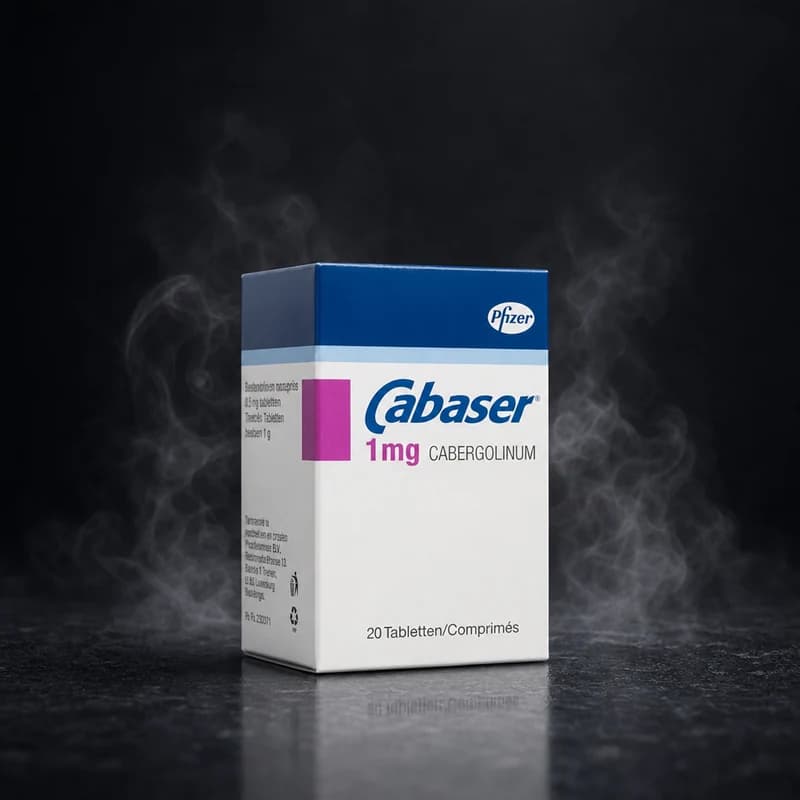
Cabaser 1mg 1mg/tab 20 Tablets by PfizerLab Tested

Cabaser 1mg 1mg/tab 20 Tabletten by Pfizer

€55.00
CabergolineBatch Tested

Cabergoline 1mg/tab 60 Tablets by Master Pharma

€60.00

Stack it with

Pairs well with these products.

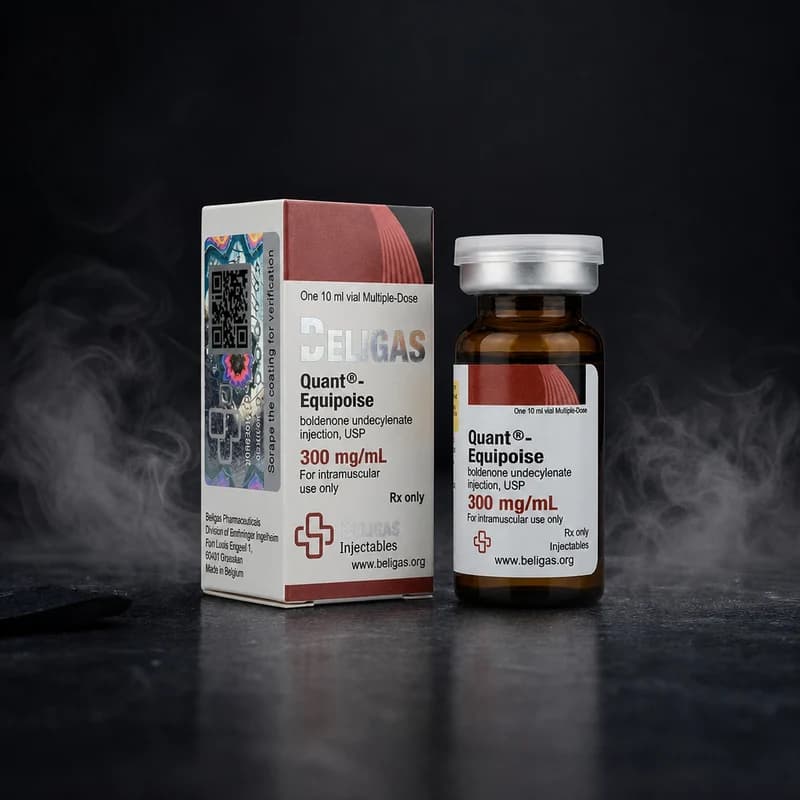
Quant-Equipoise 300mg/ml 10ml Vial by Beligas PharmaceuticalsHigh Concentration

Quant-Equipoise 300mg/ml 10ml Vial by Beligas Pharmaceuticals

€47.00
Bolden-250 250mg/ml 10x1ml Ampoules by BM PharmaceuticalsLong-Acting Formula

Bolden-250 250mg/ml 10x1ml Ampullen by BM Pharmaceuticals

€48.00
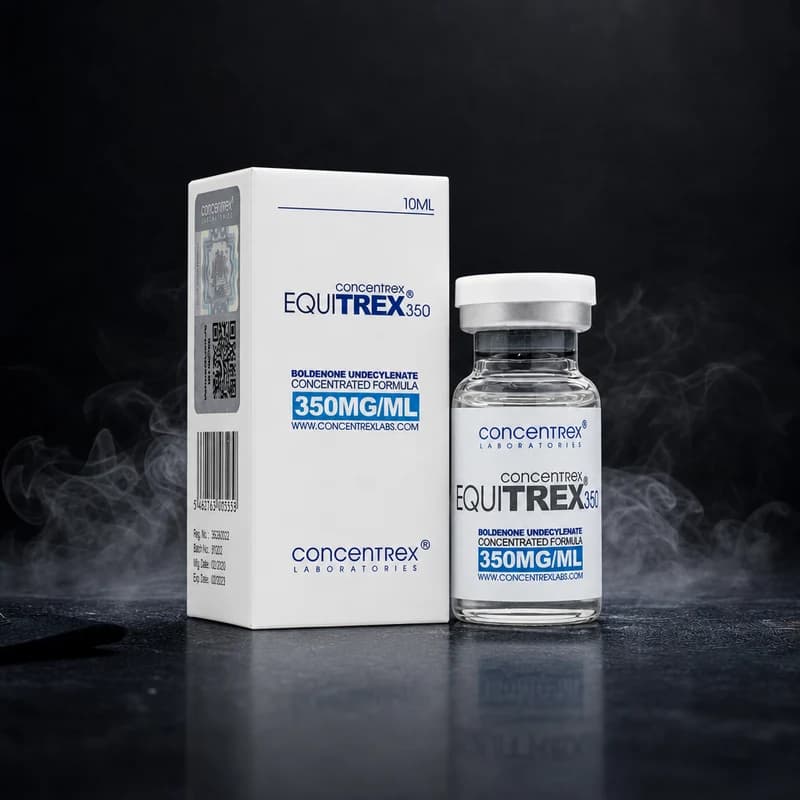
EquiTrex 350mg/ml 10ml Vial by Concentrex LabsBrand Quality

EquiTrex 350mg/ml 10ml Vial by Concentrex Labs

€52.00
EQ 300 300mg/ml 10ml Vial by Dragon-PharmaPro Choice

EQ 300 300mg/ml 10ml Vial by Dragon-Pharma

€44.00