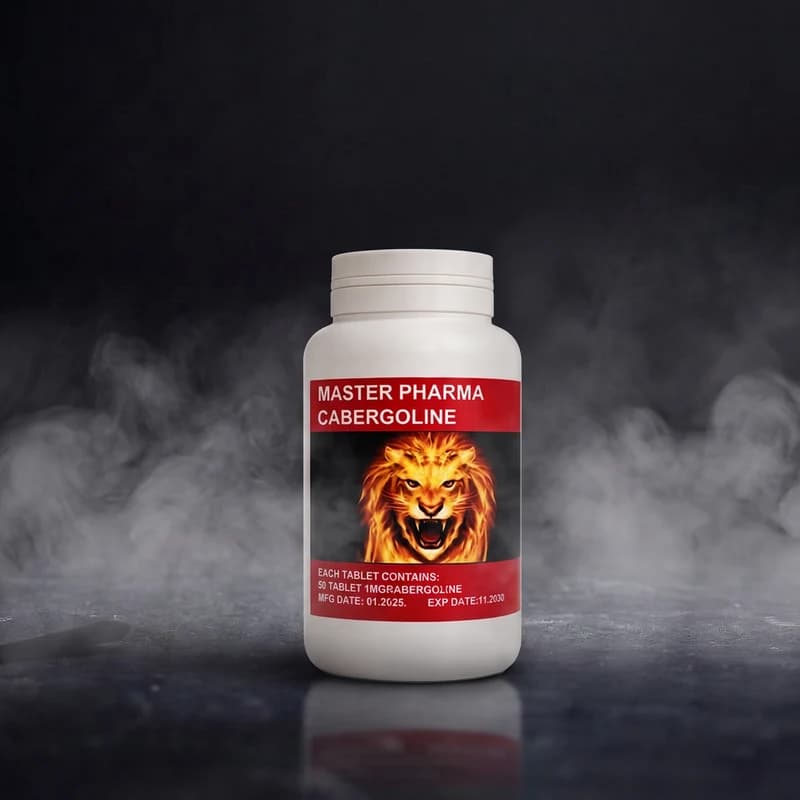
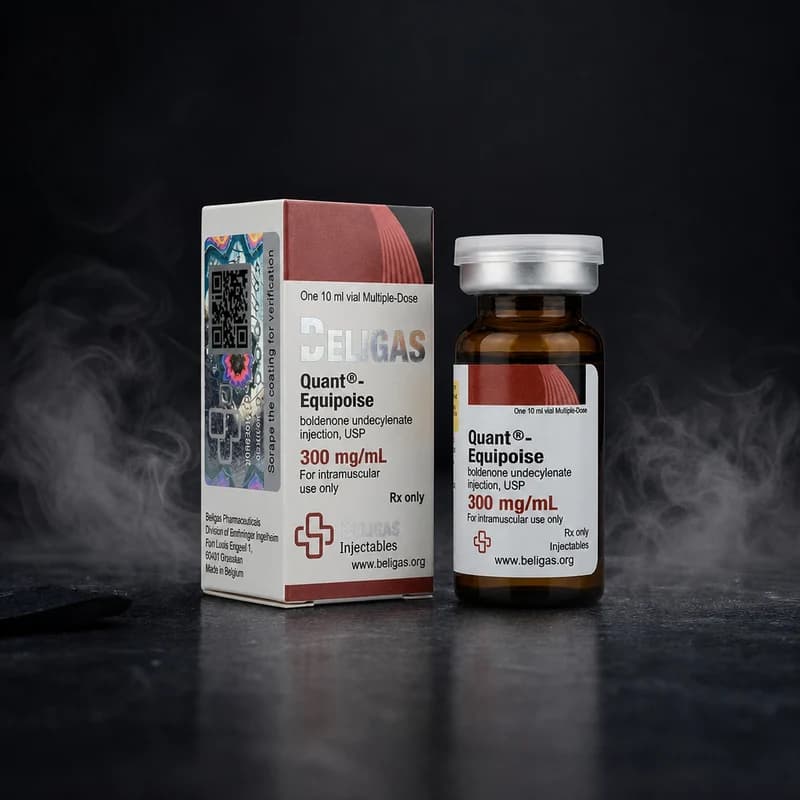
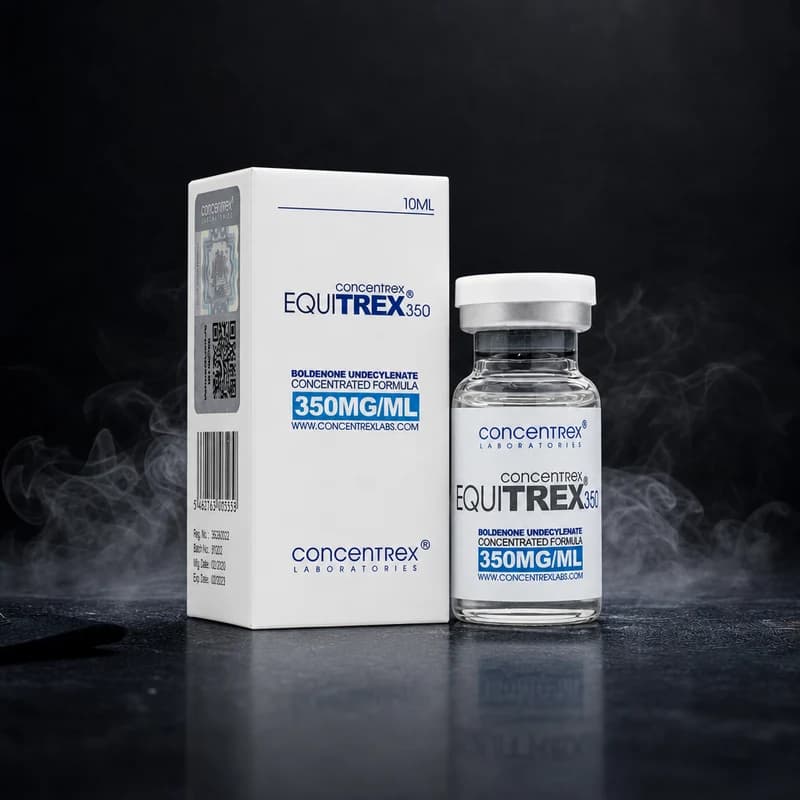
Cabergoline as a PCT Foundation for Prolactin Management
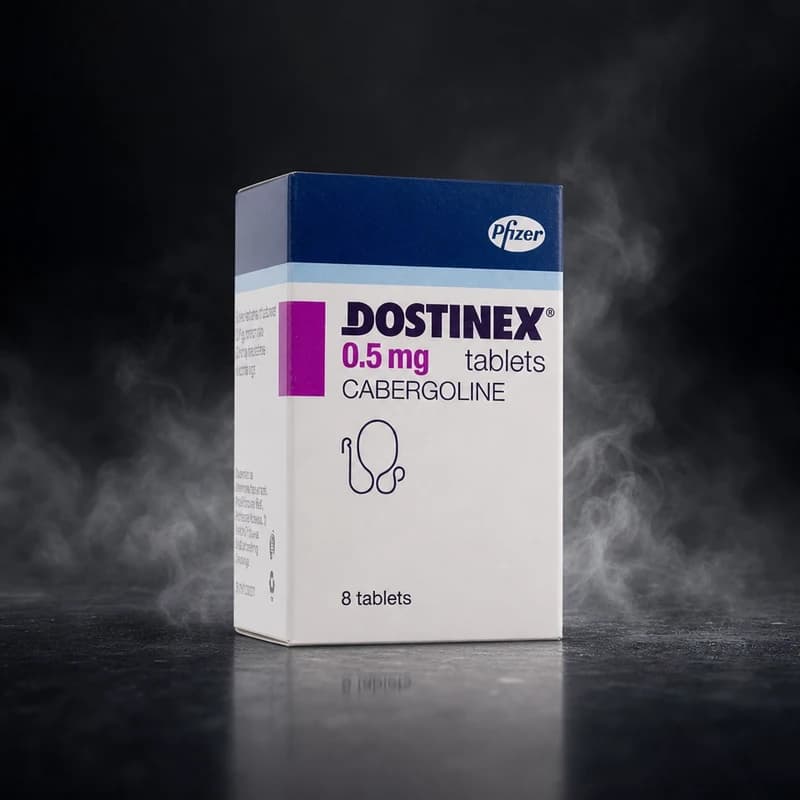
Cabaser 1 mg by Pfizer is a long-acting dopamine-receptor agonist used in post-cycle therapy specifically to counteract hyperprolactinaemia triggered by nandrolone, trenbolone, and other 19-nor anabolic compounds. Elevated prolactin during PCT sabotages natural testosterone recovery by suppressing GnRH pulsatility at the hypothalamus — a mechanism well-documented in endocrinology literature. Compared to bromocriptine, cabergoline produces the same D2-agonist effect with a substantially longer plasma half-life of approximately 63–69 hours (data derived from Pfizer pharmacokinetic dossiers), enabling twice-weekly dosing rather than daily administration.
How Cabergoline Supports Hormonal Recovery
Cabergoline inhibits prolactin secretion by binding selectively to D2 dopamine receptors on pituitary lactotroph cells. This receptor-binding action allows the HPG axis to regain functional signalling, because excess prolactin can blunt LH and FSH output from the pituitary — the very hormones needed to restart endogenous testosterone production. Clinical studies cited in Pfizer's EU Summary of Product Characteristics report prolactin normalisation in over 85 % of hyperprolactinaemic patients within four to eight weeks of cabergoline therapy at doses of 0.5–2 mg per week.
Lab Tested Quality You Can Verify
Pfizer manufactures Cabaser under continuously audited GMP conditions across its European production network; third-party HPLC analysis confirms tablet potency within ±2 % of the declared 1 mg per tablet. The LAL (Limulus Amebocyte Lysate) endotoxin test is applied to every production lot, providing an additional safety checkpoint absent in many compounded or grey-market dopamine agonists. For the bodybuilding community, this level of analytical traceability is the practical difference between a dosing schedule that works and one that unpredictably undershoots prolactin control.
Practical PCT Integration
Athletes incorporate Cabaser at 0.5–1 mg twice weekly, typically beginning the final week of a 19-nor cycle and continuing four to six weeks into the PCT window alongside standard SERM therapy. Running cabergoline concurrently with tamoxifen or clomiphene addresses both prolactin-driven suppression and estrogen-mediated suppression simultaneously — a dual-pathway approach that accelerates full HPG axis restoration. Dose adjustments should be guided by serum prolactin bloodwork at baseline and at the four-week mark.
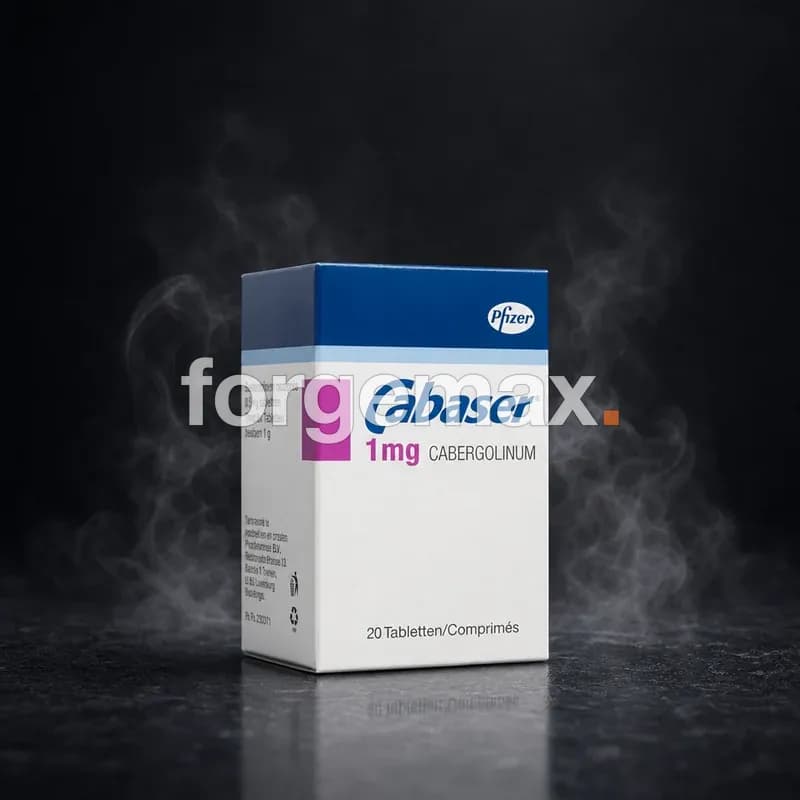
 HPLC Verified