CJC-1295 DAC: A Practitioner's Guide to Handling, Reconstituting and Storing Peptide Vials
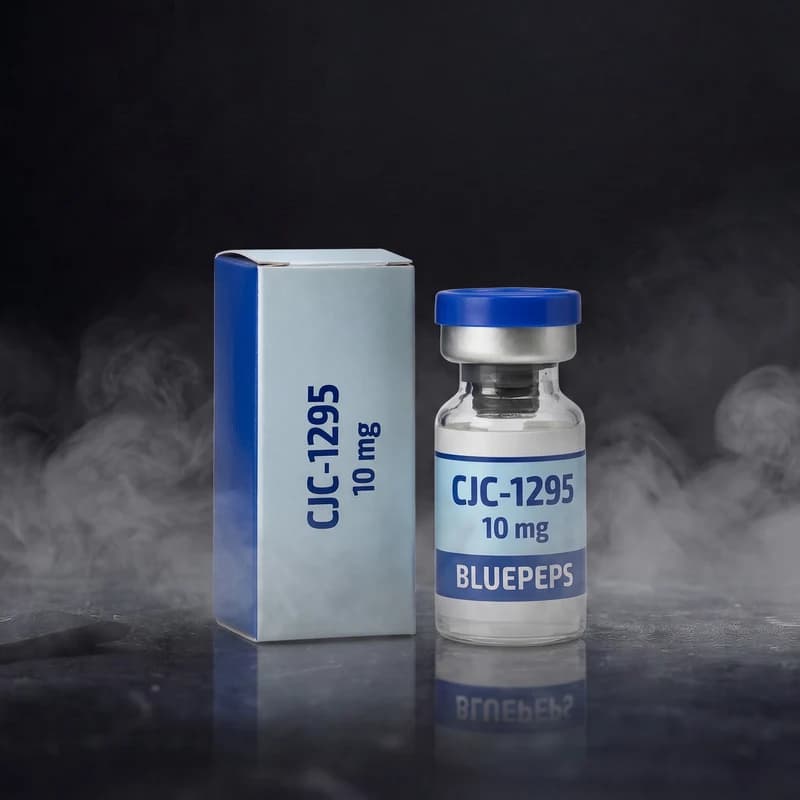
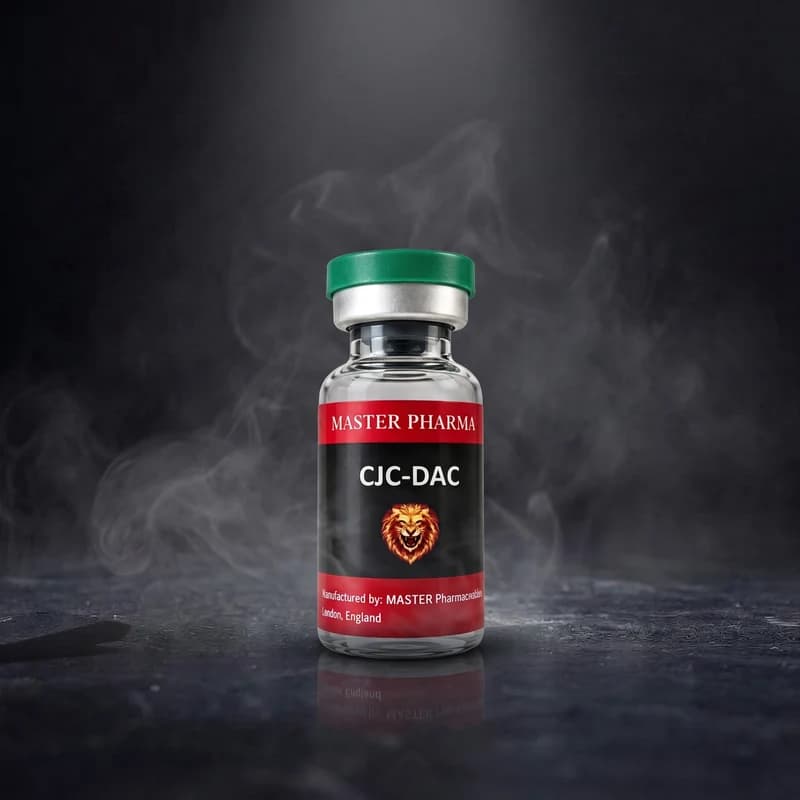
CJC-1295 with Drug Affinity Complex is a synthetic 30-amino-acid GHRH analogue engineered to extend circulating half-life through reversible albumin binding, available from Knoll Pharmaceuticals as a 5 mg sterile lyophilised powder designed for subcutaneous administration after proper reconstitution. Correct handling from the moment the vial is received is the single most controllable variable affecting peptide potency. Compared to short-acting peptides that degrade within hours at room temperature, CJC-1295 DAC retains its folded structure significantly longer when stored under refrigeration — yet even this molecule is irreversibly damaged by heat, repeated freeze-thaw cycles, or agitation during mixing.
Reconstitution: Solvent, Volume and Technique
Bacteriostatic water (0.9 % benzyl alcohol) is the recommended reconstitution solvent for CJC-1295 DAC vials intended for multi-dose use, because benzyl alcohol inhibits microbial growth for up to 28 days post-reconstitution. Sterile water for injection may be used for single-dose preparation only. The correct reconstitution technique requires directing the solvent stream along the inner vial wall — never squirting it directly onto the lyophilised cake — then allowing the powder to dissolve passively without swirling or vortex-mixing, which can shear peptide bonds and reduce effective concentration. A standard 5 mg vial reconstituted with 2.5 mL bacteriostatic water yields a 2 mg/mL (2,000 mcg/mL) working solution, enabling precise dosing with an insulin syringe.
Cold-Chain Storage and Shelf-Life Integrity
Unopened lyophilised vials should be stored at 2–8 °C (standard refrigerator range) and protected from light exposure; at this temperature the lyophilised powder maintains manufacturer-specified potency through the printed expiry date. Once reconstituted, the solution must remain refrigerated at 2–8 °C and must be used within 28 days when bacteriostatic water was used as the solvent — this 28-day window is a functionally established consensus figure consistent with benzyl-alcohol antimicrobial duration data. Knoll Pharmaceuticals' lyophilised CJC-1295 DAC vials pass LAL (Limulus Amebocyte Lysate) endotoxin screening before fill-and-finish, ensuring the sterile powder introduced to your reconstituted solution starts from a validated low-endotoxin baseline.
Subcutaneous Injection Protocol
Subcutaneous injection delivers CJC-1295 DAC into the adipose tissue layer directly beneath the skin, where it absorbs into the lymphatic system and then the bloodstream. An insulin syringe (0.3 mL, 29–31 gauge, 8 mm needle) is the appropriate tool: it minimises dead volume — reducing waste from a concentrated 5 mg vial — and produces minimal injection-site trauma. Rotating injection sites (abdomen, lateral thigh, or lateral upper arm) across consecutive administrations prevents localised lipohypertrophy. Pinching a small fold of skin, inserting the needle at 45–90 degrees depending on subcutaneous layer thickness, and injecting slowly over 5–10 seconds each constitute evidence-consistent subcutaneous technique.

 Lab Tested