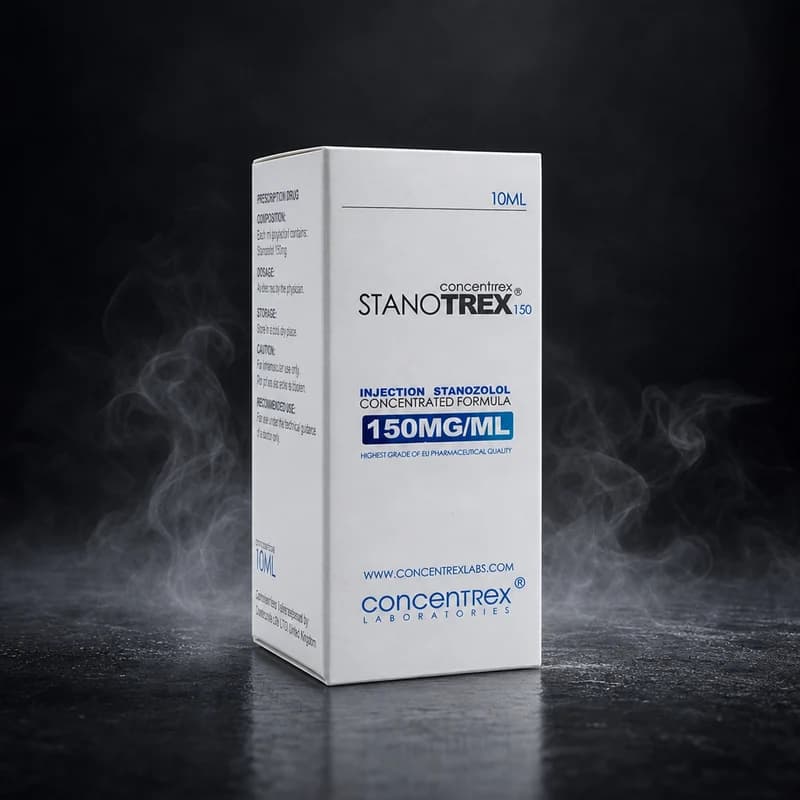
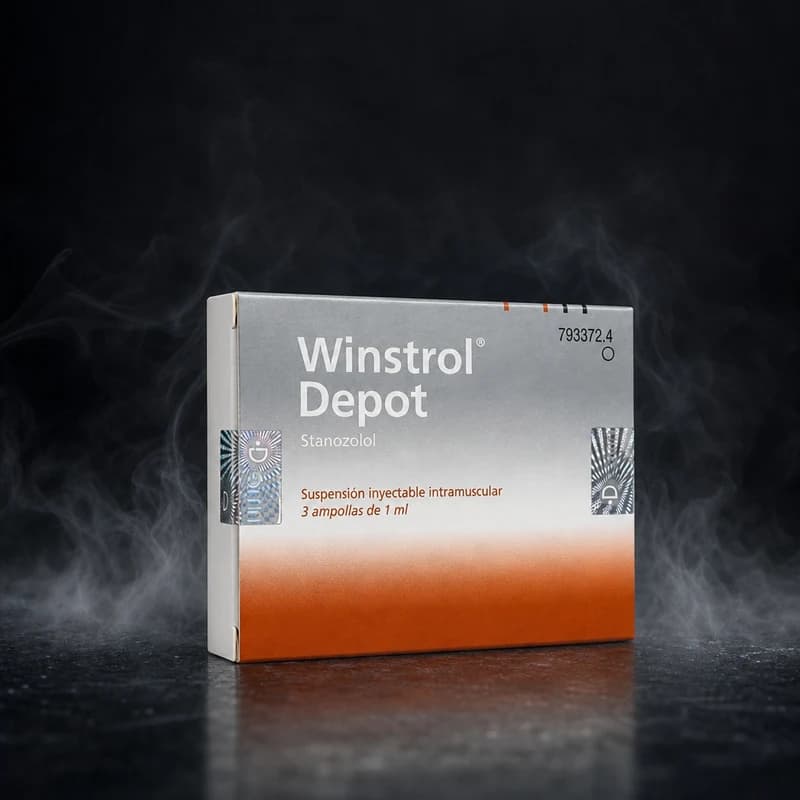
Contraindications: Winstrolad is contraindicated in individuals with diagnosed hepatic impairment, active cardiovascular disease, or pre-existing dyslipidaemia. Persons with type 2 diabetes or impaired fasting glucose should not use this compound without endocrine supervision, given its documented influence on insulin pathway signalling. Women who are pregnant or breastfeeding must not use any anabolic-androgenic steroid.
Side Effects: Stanozolol at this dosing range may produce: (a) adverse lipid shifts — HDL suppression has been quantified at clinically significant levels in controlled trials; (b) hepatotoxicity risk, elevated with extended cycle duration, assessable via ALT/AST blood panels; (c) joint discomfort in some users attributed to reduced synovial fluid viscosity; (d) modest elevations in fasting blood glucose consistent with androgen-mediated changes in hepatic gluconeogenesis.
Monitoring: Recommended monitoring panel during a Winstrolad cycle includes: fasting blood glucose (weekly), full lipid panel (baseline and mid-cycle), liver enzymes ALT and AST (every 4 weeks), and haematocrit. Users combining Winstrolad with other orally active compounds should be especially vigilant about hepatic markers given cumulative hepatic load.
PCT: Post-cycle therapy should commence within 3–5 days of the final ampule, given stanozolol's comparatively short active window. A SERM-based protocol (e.g. nolvadex or clomid at standard recovery doses) is standard practice. Fasting glucose monitoring should continue through the first two weeks of PCT, as insulin sensitivity typically normalises progressively once androgen levels decline.

 Established Brand