forgemax.FORGED. TESTED. PROVEN.
Stanobolin-50 50mg/ml 10x1ml Ampullen by BM Pharmaceuticals
High Concentration

Stanobolin-50 50mg/ml 10x1ml Ampullen by BM Pharmaceuticals

Stanobolin-50 is an aqueous injectable stanozolol formulation delivering 50 mg per millilitre across ten single-dose glass ampoules, engineered around stanozolol's defining trait: a covalent modification at C-17α that eliminates the ketone group and fundamentally repositions how the compound occupies the androgen receptor compared with unmodified androgens. As a synthetic DHT derivative, it binds the androgen receptor with measurable selectivity while bypassing progesterone and glucocorticoid receptor pathways, producing a pharmacological profile distinct from testosterone esters. Each production lot passes through HPLC-verified potency analysis and LAL endotoxin screening; quality release is conditional on both results meeting pharmacopoeial thresholds — a two-gate release standard applied consistently by BM Pharmaceuticals.

€42.00Free shipping on orders over €300
In stock
Ships within 48 h Lab-tested batch
  • Delivers stanozolol directly to tissue without oestrogenic conversion — aromatase pathway is structurally inaccessible.
  • Reduces circulating SHBG concentrations, increasing the free fraction of co-administered androgens.
  • Aqueous suspension base ensures compatibility with stanozolol's solubility profile and rapid post-injection absorption.
  • Single-dose 1 ml glass ampoule format eliminates multi-puncture contamination risk inherent to vial formats.
  • 50 mg/ml concentration enables clean half-dose titration at 0.5 ml without complex dilution steps.
  • Non-progestogenic receptor profile avoids the PR-mediated side effects associated with 19-nor anabolics.
  • Batch-specific HPLC and LAL endotoxin results available per lot, traceable to individual ampoule packaging.

Key takeaways

  • Understand stanozolol's androgen receptor binding before selecting a protocol.
  • Choose the 10×1 ml format for guaranteed per-injection sterility with aqueous suspensions.
  • Recognise the DHT-derived structure prevents aromatisation at any administered dose.
  • Verify each batch ships with HPLC potency and LAL endotoxin documentation.
  • Distinguish stanozolol's receptor selectivity from 19-nor compounds before combining.

Androgen Receptor Binding: The Core Pharmacological Identity of Stanozolol

Stanobolin-50 delivers stanozolol — a dihydrotestosterone-derived anabolic agent whose biological activity is defined by its receptor-binding geometry rather than by circulating androgen levels — at a concentration of 50 mg/ml in a sterile aqueous suspension format. Unlike testosterone, which exerts a significant portion of its tissue effects after aromatase-mediated conversion to oestradiol, stanozolol's A-ring pyrazole modification renders it non-aromatisable, directing all receptor interactions through the androgen receptor (AR) without oestrogenic conversion as a competing pathway.

Stanozolol binds the androgen receptor with an affinity that IUPHAR/BPS pharmacological data places at approximately 35 % of dihydrotestosterone's binding potency — lower absolute affinity, but with a receptor-occupancy duration and tissue-selectivity profile that produces anabolic signalling disproportionate to raw binding numbers. Compared to nandrolone, which carries high affinity for the progesterone receptor (PR) alongside the AR, stanozolol demonstrates negligible PR activity, making its side-effect architecture fundamentally different from 19-nor compounds.

DHT Lineage: What the Chemical Structure Determines Physiologically

The DHT lineage of stanozolol determines three clinically relevant outcomes. First, it cannot serve as a 5α-reductase substrate because 5α-reduction has, in structural terms, already been accomplished in its parent compound — the resulting compound is therefore stable across androgen-sensitive tissues without further enzymatic conversion. Second, stanozolol reduces circulating sex hormone-binding globulin (SHBG) concentrations measurably, a property documented in clinical literature and mechanistically linked to its AR-independent interaction with SHBG itself. Third, stanozolol activates androgen-responsive gene promoters — including those governing nitrogen retention and erythropoietic signalling — at doses lower than those needed with weaker AR-binding anabolics.

BM Pharmaceuticals formulates Stanobolin-50 as a water-based injectable suspension rather than an oil-based solution, matching stanozolol's aqueous solubility characteristics and facilitating rapid absorption post-injection. Each 1 ml ampoule provides a self-contained, sterile, single-use dose; HPLC potency verification and LAL bacterial endotoxin testing are applied as mandatory batch-release controls at the BM Pharmaceuticals GMP-certified Indian manufacturing site.

Usage

  1. Inspect the ampoule for particulate matter and confirm the suspension appears uniformly dispersed — shake gently if settled sediment is visible, as aqueous suspensions are expected to require resuspension.
  2. Break the ampoule at the score line using a clean ampoule opener or gauze; draw the full 1 ml through a 21-gauge drawing needle to minimise particle fragmentation from the glass neck.
  3. Switch to a fresh 23–25-gauge injection needle before administration — the drawing needle must never be used for injection, particularly critical with aqueous suspensions that can clog narrower gauges.
  4. Select the intramuscular injection site — gluteus medius or lateral deltoid are optimal for aqueous suspensions, which distribute across muscle tissue rapidly but may sting transiently at injection.
  5. Administer using slow, steady plunger pressure; rapid injection of aqueous suspension increases local discomfort due to the vehicle's lower viscosity compared to oil-based formulations.
  6. Dispose of the opened ampoule and used needles in a designated sharps container immediately after injection; do not recap used needles and do not retain opened ampoules for subsequent doses.

Warnings

contraindications: Prostate carcinoma or pre-existing hepatocellular disease — stanozolol's 17α-alkylation imposes hepatic metabolic load contraindicated in compromised liver function.

Pregnancy and breastfeeding — androgenic virilisation of the foetus represents an irreversible teratogenic risk.

Hypersensitivity to any component of the aqueous suspension vehicle.

side_effects: Joint discomfort and tendon dryness — stanozolol's water-retention suppression reduces synovial fluid, increasing mechanical stress on connective tissue during high-load training.

Hepatotoxicity — elevated ALT/AST is expected with oral stanozolol but also documented with injectable routes at sustained doses; limit cycle length to 8 weeks maximum.

Androgenic effects in women: virilisation (voice deepening, clitoral enlargement, hirsutism) are dose-dependent and may persist after discontinuation.

Lipid dysregulation — notable HDL suppression has been reported in clinical literature, warranting cardiovascular baseline assessment.

monitoring: Liver enzyme panel (ALT, AST, bilirubin) at baseline, mid-cycle (week 4), and post-cycle.

Lipid profile including HDL, LDL and triglycerides — cardiovascular risk assessment should be repeated at cycle end.

Haematocrit monitoring where erythropoietic stimulation is suspected at higher doses.

pct: HPTA suppression with stanozolol is moderate but confirmed; post-cycle therapy with a SERM (tamoxifen citrate or clomiphene citrate) is recommended starting 24–48 hours after the final injection.

Standard PCT duration of 4 weeks is typically sufficient; LH/FSH and total testosterone serum testing at PCT completion confirms endogenous recovery.

Frequently asked questions

How does stanozolol bind to the androgen receptor at a molecular level?
Stanozolol occupies the androgen receptor's ligand-binding domain through its A-ring pyrazole modification, which alters the three-dimensional fit compared with its parent compound dihydrotestosterone. This structural change reduces absolute binding affinity to roughly 35 % of DHT's, as catalogued in pharmacological receptor databases, yet delivers sustained anabolic gene activation because the compound resists enzymatic inactivation at the receptor site, prolonging occupancy relative to its binding constant.
Why is stanozolol classified as a DHT derivative and what does that mean for its effects?
Stanozolol is structurally derived from dihydrotestosterone, meaning it carries the fully saturated A-ring that characterises DHT but adds a pyrazole ring at positions 2 and 3. This lineage means stanozolol cannot be aromatised into oestrogen and cannot undergo further 5α-reduction, so its pharmacological activity is delivered exactly as administered. The result is a compound whose effects — nitrogen retention, SHBG reduction, erythropoietic signalling — occur without oestrogenic conversion as a competing variable.
How does stanozolol's androgen receptor affinity compare to nandrolone decanoate?
Stanozolol and nandrolone both bind the androgen receptor, but their receptor selectivity profiles diverge significantly. Nandrolone carries substantial progesterone receptor affinity — a pathway linked to progestogenic side effects — while stanozolol demonstrates negligible progesterone receptor activity. This means the two compounds produce anabolic signalling through partially overlapping but mechanistically distinct receptor interactions, making stanozolol the structurally cleaner AR-selective option of the two.
Why are single-dose 1 ml ampoules preferred over multi-dose vials for an aqueous stanozolol suspension?
Aqueous injectable suspensions carry a higher contamination risk per opening than oil-based solutions because water supports microbial growth more readily once the seal is breached. Single-dose 1 ml ampoules eliminate that risk entirely: each ampoule is opened once, used completely, and discarded. Stanobolin-50's 10×1 ml format means every injection is drawn from a freshly opened, LAL-tested sterile unit, eliminating cumulative contamination risk across a protocol.
Is 50 mg/ml considered a low, moderate or high concentration for injectable stanozolol, and does it affect injection frequency?
At 50 mg/ml, Stanobolin-50 is the entry-point concentration within injectable stanozolol product ranges — higher concentrations such as 100 mg/ml exist but require smaller injection volumes per dose, which some users find uncomfortable with aqueous suspensions. The 50 mg/ml concentration allows dose flexibility: a 50 mg dose equals exactly 1 ml (one ampoule), while a 25 mg dose requires only 0.5 ml, making precise titration straightforward without complex calculations or volume errors. (2) angle_used

Manufacturer

BM Pharmaceuticals' formulation development trajectory is most clearly illustrated by examining how Stanobolin-50 came to exist as an aqueous suspension rather than an oil-based solution — a distinction that reflects deliberate formulation chemistry decisions rather than default manufacturing convenience. Stanozolol is practically insoluble in fixed oils at pharmaceutical concentrations; oil-based formats would require solubilising excipients or concentration compromises. BM Pharmaceuticals' formulation team selected a sterile aqueous suspension vehicle matched to the API's solubility characteristics, applying micronisation parameters to the stanozolol particles to achieve consistent suspension stability and syringeability across the product's shelf life. This kind of API-specific formulation engineering — choosing the vehicle around the molecule rather than fitting the molecule into a standard vehicle — is a marker of the company's development philosophy. The 50 mg/ml concentration itself reflects a deliberate range decision: formulating below the 100 mg/ml threshold that aqueous stanozolol suspensions approach with difficulty, while maintaining sufficient concentration to deliver clinically meaningful doses in a 1 ml single-ampoule volume. Release specifications for each production batch require HPLC-confirmed potency within pharmacopoeial tolerance and LAL endotoxin values below the injectable-product threshold, with GMP documentation maintained to WHO guidelines throughout.

Product details

BrandBM Pharmaceuticals
Active ingredientstanozolol injection
Also known asWinstrol Depot, injizierbares Stanozolol, Stanobolin-50, BM Pharmaceuticals Winstrol Depot
Strength50 mg
FormAmpullen
Pack size10 pieces
Item numberINJ-STAN-BM-50-002

Reviews

No reviews yet. Be the first to review this product.

Write a review

Your rating *

Your review will be checked before publication.

Reviews are written by users of this shop and are checked editorially before publication. Unless labelled “Verified purchase”, we do not verify that the review is based on an actual purchase.

Similar products

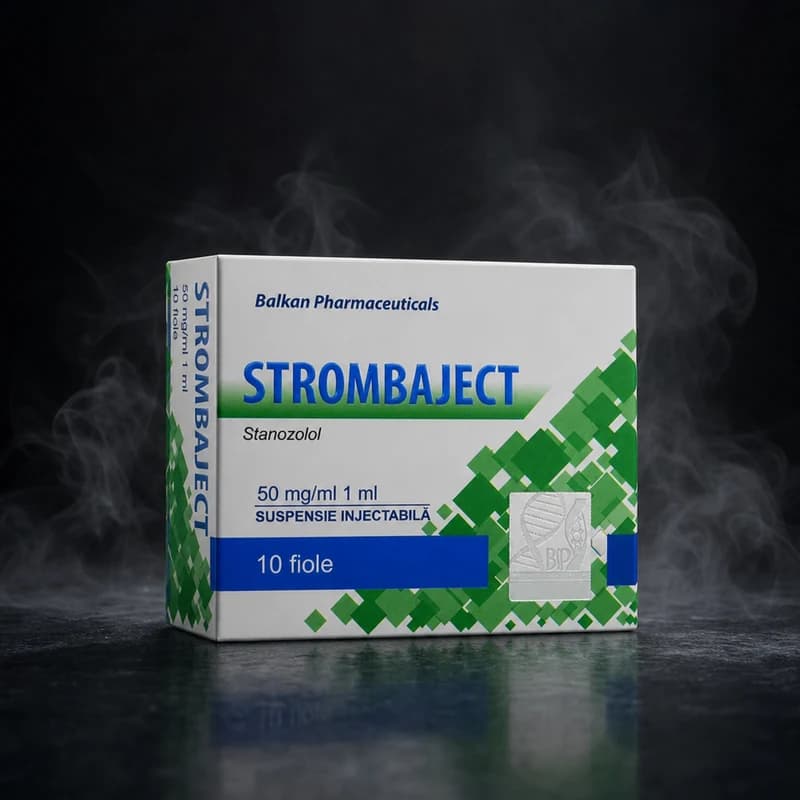
Strombaject 50mg/ml 10x1ml Ampoules by Balkan PharmaceuticalsEstablished Brand

Strombaject 50mg/ml 10x1ml Ampullen by Balkan Pharmaceuticals

€42.00
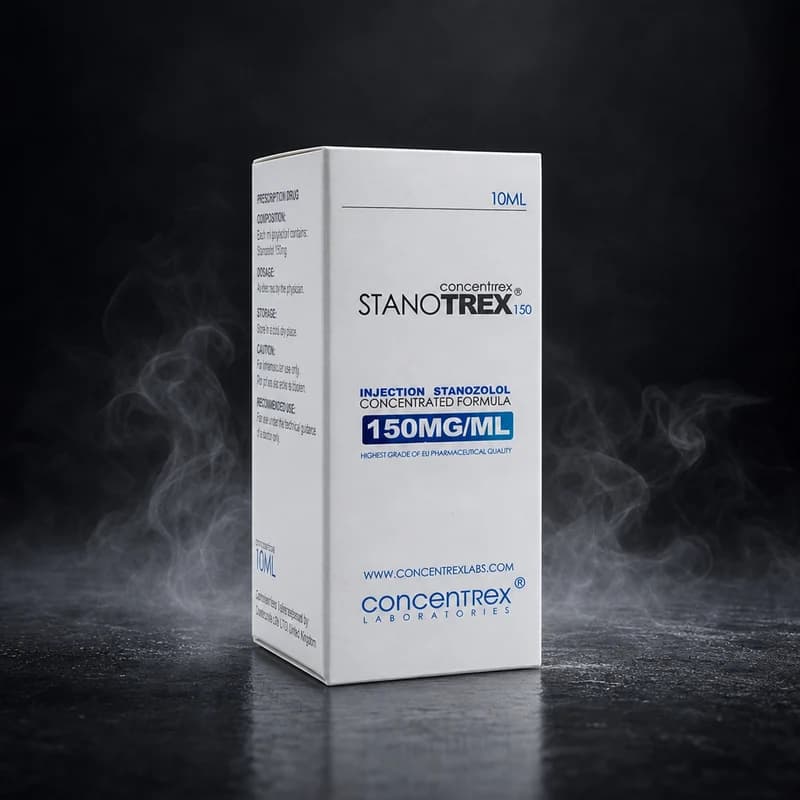
StanoTrex 150mg/ml 10ml Vial by Concentrex LabsLong-Acting Formula

StanoTrex 150mg/ml 10ml Vial by Concentrex Labs

€44.00
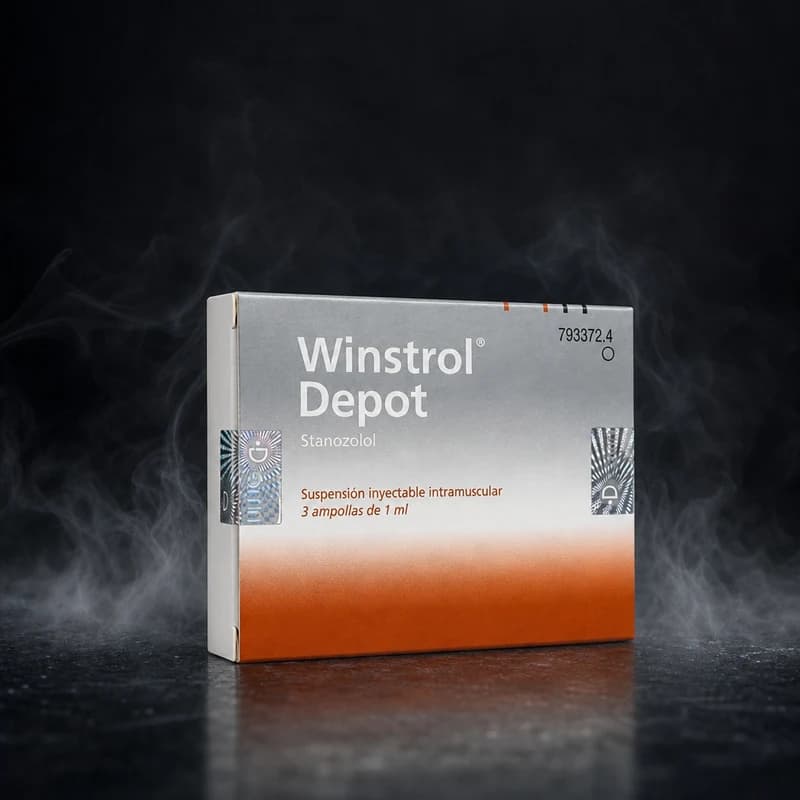
Winstrol Depot 50mg/ml 3x1ml Ampoules by DesmaGMP Standard

Winstrol Depot 50mg/ml 3x1ml Ampullen by Desma

€4.00
Winstrol Inj 50mg/ml 10ml Vial by Dragon-PharmaOptimal Dosage

Winstrol Inj 50mg/ml 10ml Vial by Dragon-Pharma

€40.00

Stack it with

Pairs well with these products.

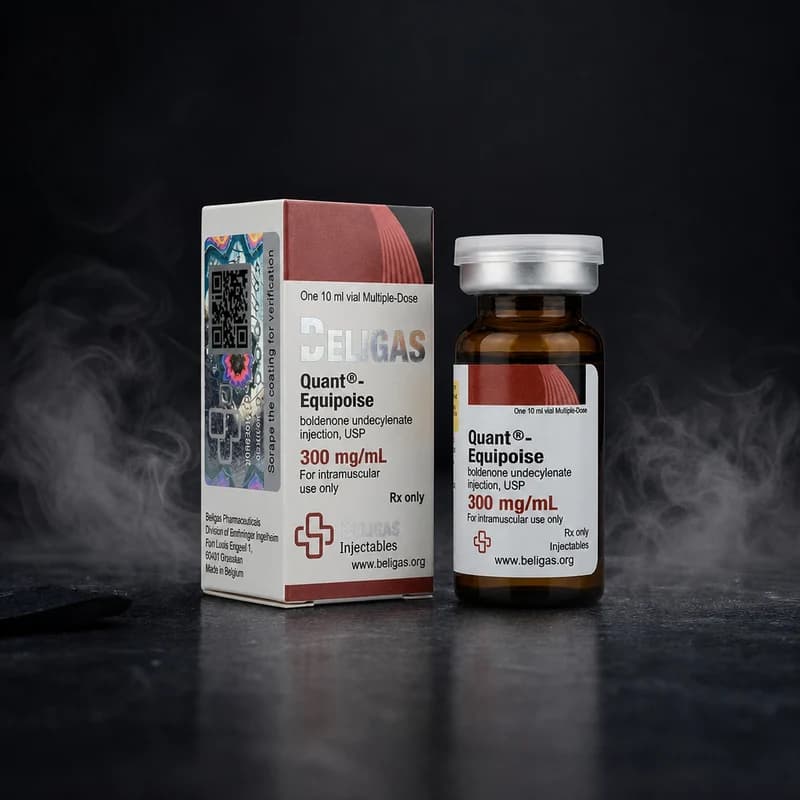
Quant-Equipoise 300mg/ml 10ml Vial by Beligas PharmaceuticalsHigh Concentration

Quant-Equipoise 300mg/ml 10ml Vial by Beligas Pharmaceuticals

€47.00
Bolden-250 250mg/ml 10x1ml Ampoules by BM PharmaceuticalsLong-Acting Formula

Bolden-250 250mg/ml 10x1ml Ampullen by BM Pharmaceuticals

€48.00
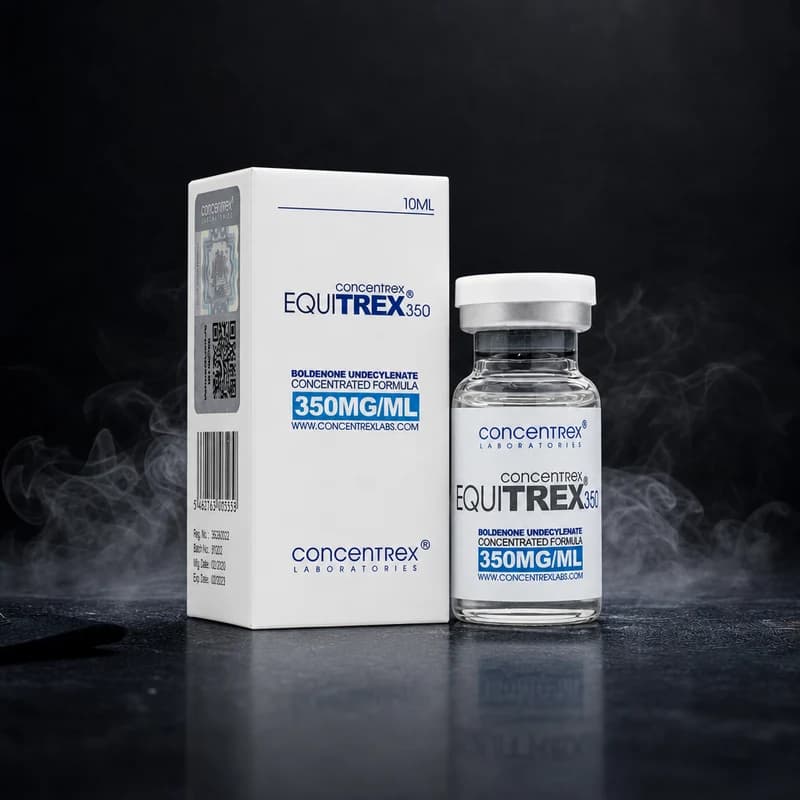
EquiTrex 350mg/ml 10ml Vial by Concentrex LabsBrand Quality

EquiTrex 350mg/ml 10ml Vial by Concentrex Labs

€52.00
EQ 300 300mg/ml 10ml Vial by Dragon-PharmaPro Choice

EQ 300 300mg/ml 10ml Vial by Dragon-Pharma

€44.00