Receptor Tolerance and Desensitization: The Governing Principle Behind Turinabol Cycle Limits
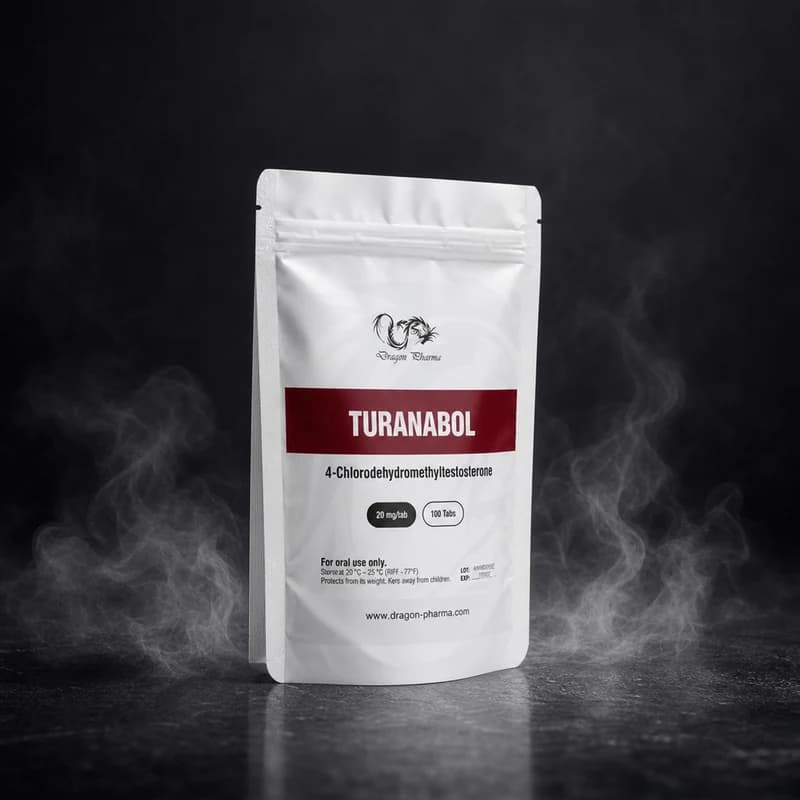
Chlorderhydromethyltestosterone — the active compound in Genesis Turinabol Tablets — is an oral anabolic agent whose practical cycle ceiling is set not by acute toxicity alone but by the receptor-level phenomenon of androgen receptor downregulation: a process in which sustained ligand occupancy causes the cell to reduce surface receptor density and post-receptor signal amplitude over time. This is receptor desensitization in the anabolic context, and understanding it reframes how athletes should approach dosing architecture.
Androgen receptors in skeletal myocytes respond to consistent Chlordehydromethyltestosterone exposure by reducing receptor mRNA transcription, accelerating receptor protein degradation, and attenuating downstream co-activator recruitment — a sequence quantified in in-vitro androgen-exposure models using radioligand binding displacement assays. The practical consequence is that anabolic output per milligram of compound diminishes progressively across a prolonged uninterrupted cycle, a pattern distinct from acute tolerance seen with other receptor classes.
Comparing Tolerance Rates: Low-Dose vs. High-Dose Exposure Protocols
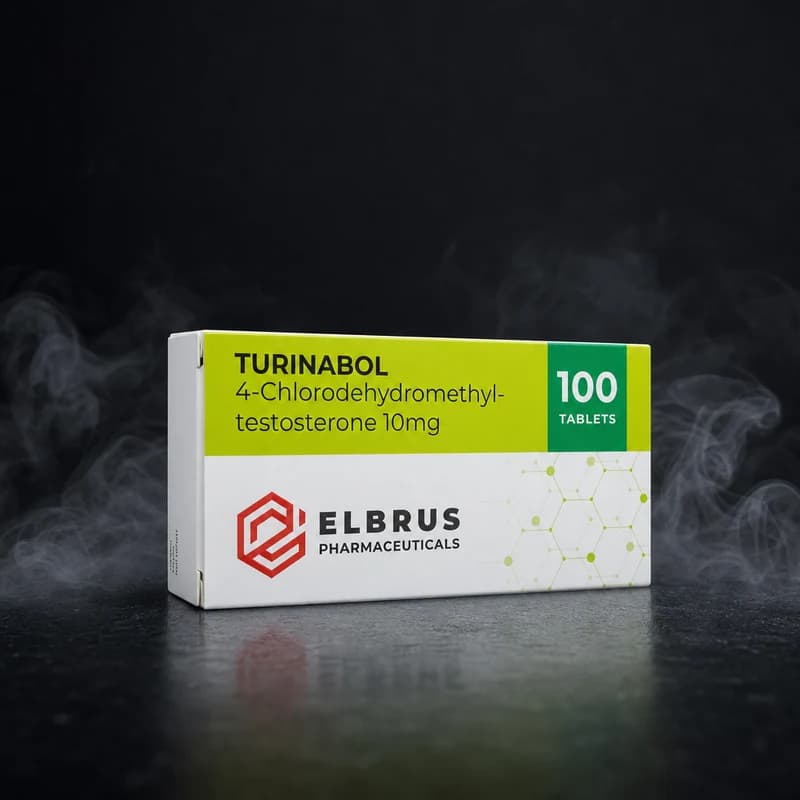
Compared to high-concentration oral androgen protocols, the 10 mg/tab format manufactured by Genesis creates a measurable advantage in managing tolerance onset: incremental dose escalation allows the receptor pool to be challenged progressively rather than saturated immediately. Research using competitive binding assays places androgen receptor saturation at plasma concentrations well above those produced by conservative 20–40 mg daily intake, meaning that receptor downregulation is slower and the productive anabolic window is extended relative to front-loaded, high-dose approaches.
Genesis subjects each production batch of these tablets to third-party HPLC verification against certified reference standards, confirming that the 10 mg declared concentration is a measured result rather than a calculated target. LAL (Limulus Amebocyte Lysate) endotoxin testing is applied at the oral tablet level — a quality layer more commonly reserved for injectables — ensuring that receptor biology, not contamination variability, remains the primary variable users manage.
Structuring Cycles Around the Receptor Recovery Window
Recovery of full androgen receptor sensitivity following a Chlordehydromethyltestosterone cycle is governed by receptor resynthesis kinetics, with experimental evidence from androgen-withdrawal models suggesting meaningful receptor density restoration occurs within four to eight weeks of cessation. Breaks between cycles respecting this window preserve the magnitude of anabolic response in subsequent protocols. Genesis Turinabol's 50-tablet pack at 10 mg per tablet permits precise intake arithmetic across a structured cycle, supporting the kind of disciplined, tolerance-aware dosing that maximises productive receptor engagement across multiple sequential phases.

 Lab Tested