Mechanism of Action: How Chlorodehydromethyltestosterone Engages the Androgen Receptor
Apto-Turinabol is defined by the pharmacological consequence of its 4-chloro modification on a Dianabol-derived scaffold: a compound that occupies the androgen receptor with measurable affinity yet cannot be converted to estrogen, making its receptor interaction qualitatively distinct from its structural parent. Chlorodehydromethyltestosterone binds the androgen receptor through the same ligand-binding domain used by testosterone, but the 4-chloro substitution sterically prevents aromatase from accepting the molecule as a substrate. This creates a receptor-activation profile where anabolic gene transcription is initiated without concurrent estrogenic signalling — a mechanistic separation that distinguishes Turinabol from Methandienone despite their shared core structure.
Receptor Affinity and DHT-Lineage Character
Compared to testosterone's androgen receptor relative binding affinity (set at 100 % in reference assays), Chlorodehydromethyltestosterone demonstrates a moderate affinity, estimated at approximately 50 % in in-vitro competitive binding studies — lower than DHT itself (approximately 200–350 % of testosterone) but sufficient to activate androgen-responsive gene elements at physiological concentrations. The compound is not a 5α-reductase substrate in the conventional sense; its DHT-lineage character derives from the methyl group at C-17α and the overall A/B-ring geometry rather than from peripheral conversion. Androgen receptor occupancy by Apto-Turinabol triggers downstream anabolic pathways — nitrogen retention, protein synthesis upregulation, and myofibrillar adaptation — without the water-retention burden characteristic of high-estrogenicity androgens.
Binding Selectivity and Practical Implication of the 10 mg Tablet Format
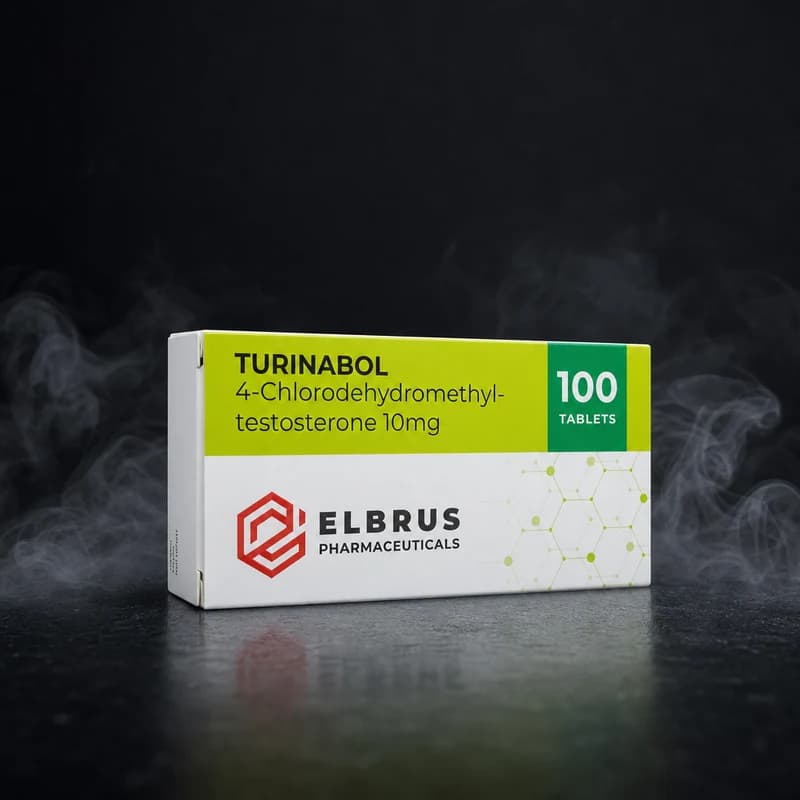
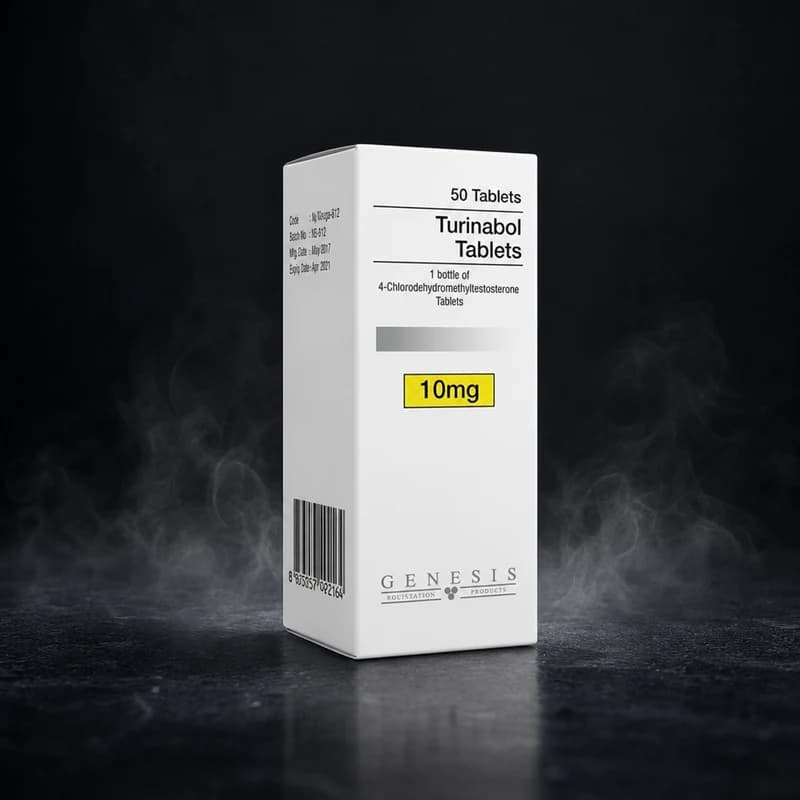
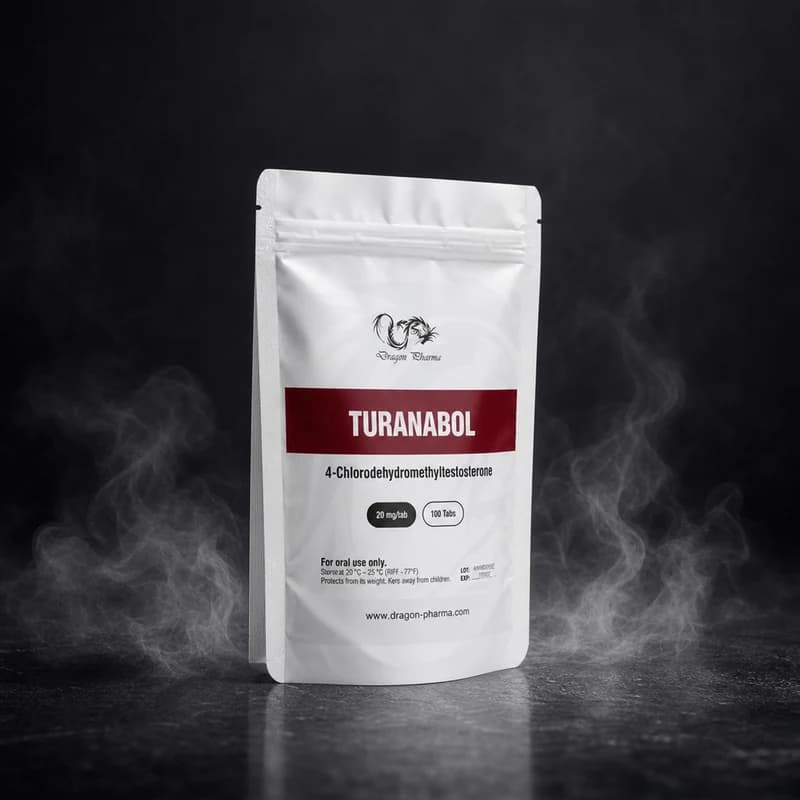
The 10 mg per tablet concentration of Apto-Turinabol provides a clinically important granularity for receptor-level dose management. Because androgen receptor saturation is dose-dependent and individual sensitivity varies, starting at 10 mg increments allows a user to step receptor exposure up in controlled stages — reducing the risk of overshooting the threshold at which androgenic side effects emerge relative to anabolic benefit. Beligas Pharmaceuticals' HPLC-verified tablet content ensures that each 10 mg unit contains precisely the declared quantity of active compound, so receptor-binding calculations based on ingested dose remain accurate rather than approximate.
Quality Infrastructure Behind Every Tablet
Every production lot of Apto-Turinabol is analytically verified prior to release: HPLC quantification confirms the 10 mg Chlorodehydromethyltestosterone content against certified pharmacopoeial reference standards, and LAL (Limulus Amebocyte Lysate) testing screens raw material inputs for bacterial endotoxins. GMP-compliant manufacturing conditions govern the tableting process from excipient blending through compression and packaging.

 HPLC Verified