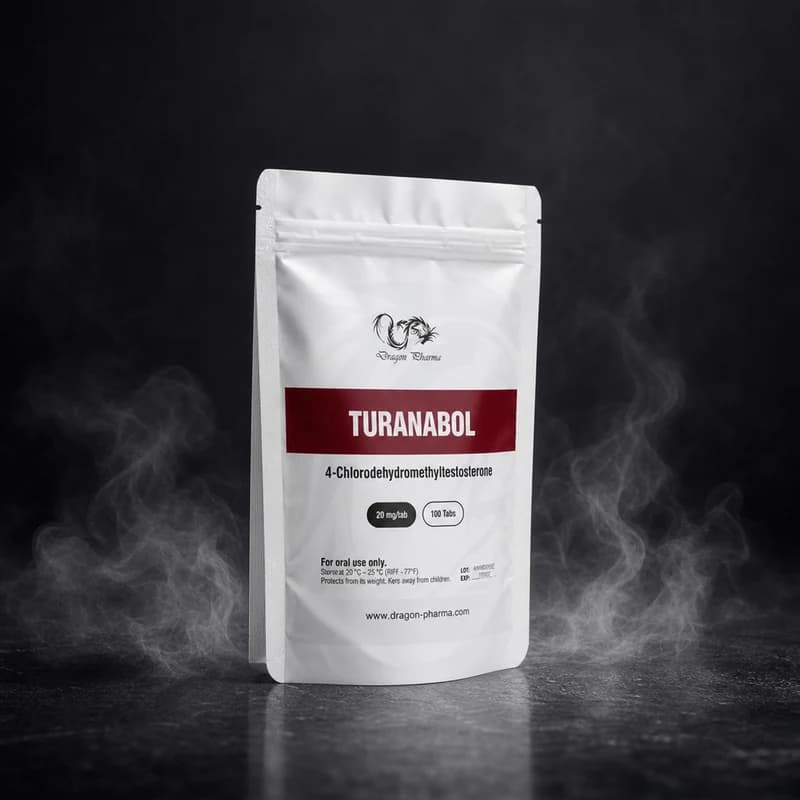
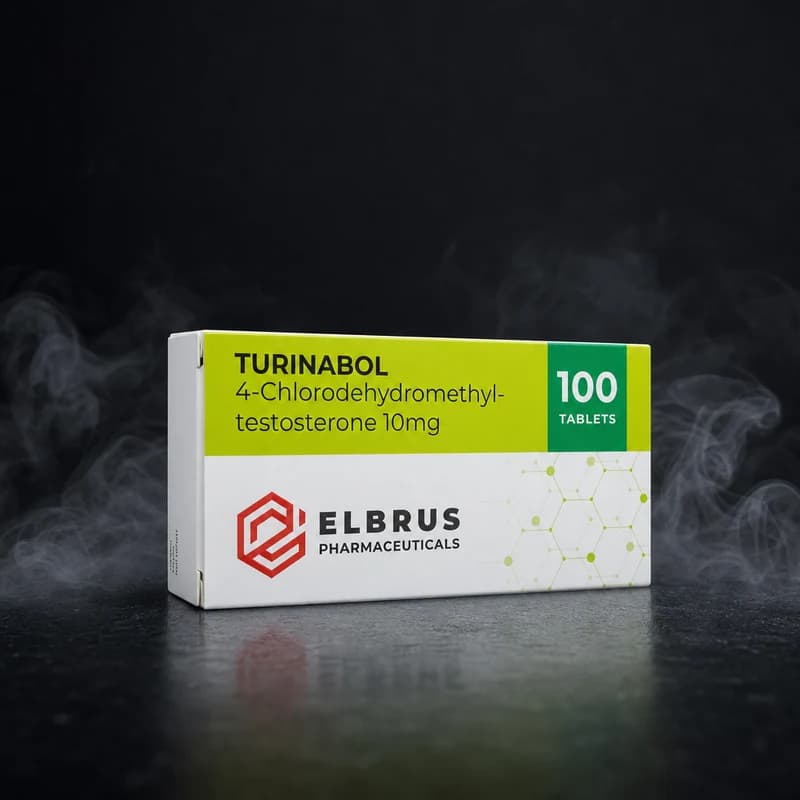
Contraindications: Turinabol is contraindicated in individuals with existing hepatic impairment, elevated baseline transaminase levels, cardiovascular disease, prostate pathology, or androgen-sensitive malignancy. Women who are pregnant or breastfeeding must not use this compound. Individuals under 21 years of age or with a history of hypersensitivity to anabolic-androgenic steroids should not initiate a Chlordehydromethyltestosterone protocol.
Side_Effects: 17α-alkylation carries hepatotoxic potential; elevated ALT and AST are the primary liver-stress signals to monitor during a cutting cycle. HDL cholesterol suppression and LDL elevation represent adverse lipid effects that compound under caloric restriction; lipid panels are recommended at cycle onset and midpoint. Androgenic effects including acne, scalp hair thinning, and increased body hair density may occur in genetically predisposed individuals. HPG axis suppression resulting in reduced endogenous testosterone production is expected and requires post-cycle management.
Monitoring: Mandatory blood panels include ALT, AST, and GGT at weeks two and four; a full lipid profile (LDL, HDL, total cholesterol, triglycerides) at protocol onset and midpoint; and LH/FSH measurement four weeks post-cycle to confirm HPG axis recovery trajectory. Blood pressure monitoring every two weeks is advisable, particularly when Turinabol is paired with a testosterone base during a caloric-deficit phase.
PCT: A SERM-based post-cycle therapy is mandatory following any Chlordehydromethyltestosterone cycle. Nolvadex at 20 mg daily for four to six weeks or Clomid at 50 mg for two weeks followed by 25 mg for four weeks are the most widely applied protocols. Extended cutting cycles at or above 30 mg daily may warrant a longer PCT window; LH and FSH assay at PCT week four confirms whether restoration is progressing adequately.

 Lab Tested