Chlorodehydromethyltestosterone as the Androgen Layer in Peptide-Augmented Protocols
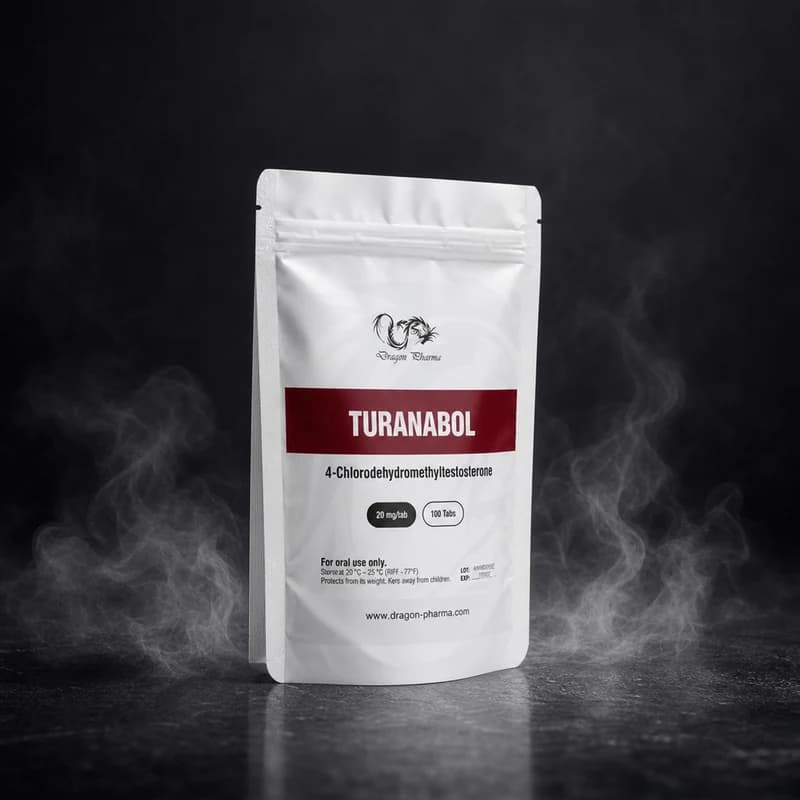
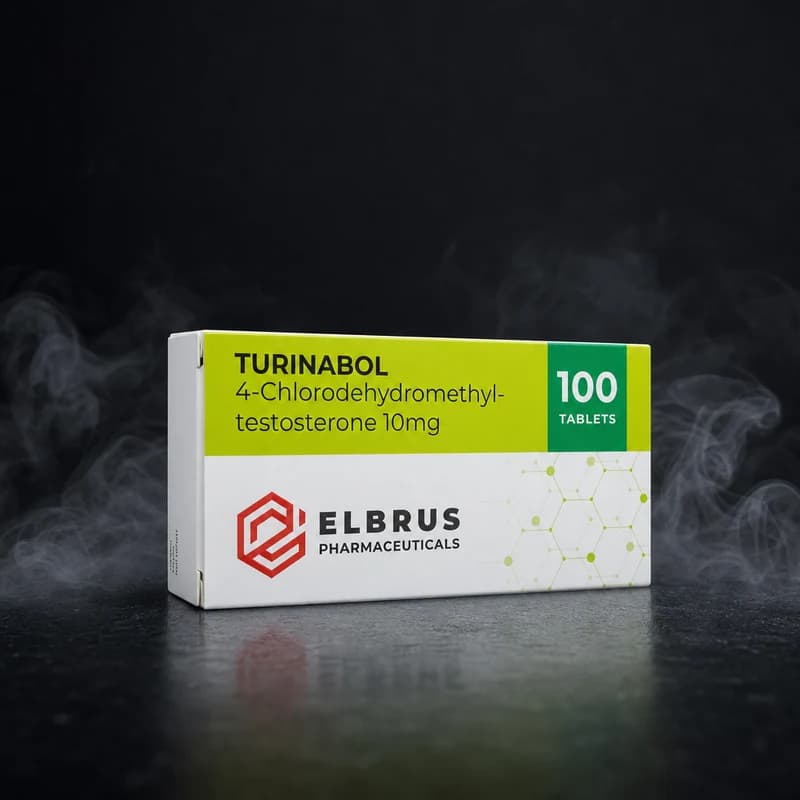
Pharma Group Turinabol is an oral anabolic compound in which Chlorodehydromethyltestosterone — a 4-chloro, 17α-methylated androgen — functions as the androgen-receptor-targeted layer within multi-pathway protocols that pair it with growth-hormone secretagogue peptides. Chlorodehydromethyltestosterone activates androgen receptors in skeletal muscle without converting to estrogen, leaving the peptide's growth-hormone axis engagement as the dominant hormonal variable in the stack. This mechanistic separation means the two compound classes address lean-tissue accrual through entirely distinct receptor families — androgen receptors on one axis, GHRH and ghrelin receptors on the other — producing additive rather than redundant anabolic signalling, as supported by dual-receptor activation models reported in sports pharmacology literature.
Which Peptides Are Typically Paired with Turinabol
Growth-hormone releasing peptides such as GHRP-2, GHRP-6, and Ipamorelin are the peptide classes most commonly combined with oral androgens like Chlorodehydromethyltestosterone in practitioner-documented protocols. Sermorelin and CJC-1295 — growth-hormone releasing hormone analogues — are also used as the GH-axis component when a sustained rather than pulsatile secretagogue profile is preferred. Compared to pairing Turinabol with a second aromatising oral anabolic in the same slot, combining it with a peptide secretagogue introduces no additional hepatic alkylated-compound burden, a distinction with measurable relevance to ALT and AST monitoring endpoints. IGF-1 LR3, a downstream peptide acting at the IGF-1 receptor, represents a third category used when the protocol's goal shifts from GH release toward direct tissue-level IGF-1 receptor engagement independent of pituitary output.
Dosing Architecture and Monitoring in Peptide-Combination Cycles
Pharma Group Turinabol supplies 1,050 mg of Chlorodehydromethyltestosterone per pack, supporting a range of peptide-paired protocol structures. A representative eight-week protocol at 20 mg daily consumes 112 tablets — the 105-tablet pack covers this window with a minor overlap resolved by a brief dose step at closing weeks. ALT and AST panels collected at week four remain the governing monitoring instrument for the oral androgen component; IGF-1 immunoassay at the same interval tracks the peptide axis independently, allowing each compound class to be adjusted on its own pharmacological merits. The 10 mg per tablet denomination enables single-unit step-downs when peptide secretagogue output — confirmed by serum IGF-1 assay — already provides a meaningful anabolic environment, reducing the androgen dose without eliminating its receptor contribution.
Quality Infrastructure Underpinning Each Tablet
Pharma Group subjects each Turinabol batch to HPLC content-uniformity testing against a certified reference standard, confirming per-tablet API within specification before release. LAL endotoxin screening and GMP-compliant documentation standards apply to the oral tablet line with the same stringency as the brand's injectable formats.

 Lab Tested