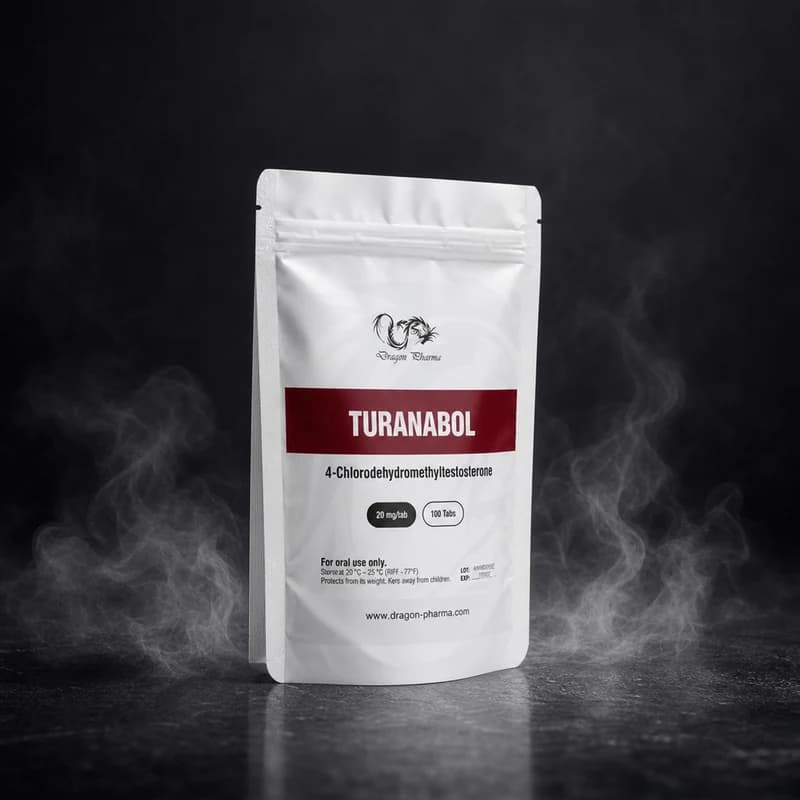
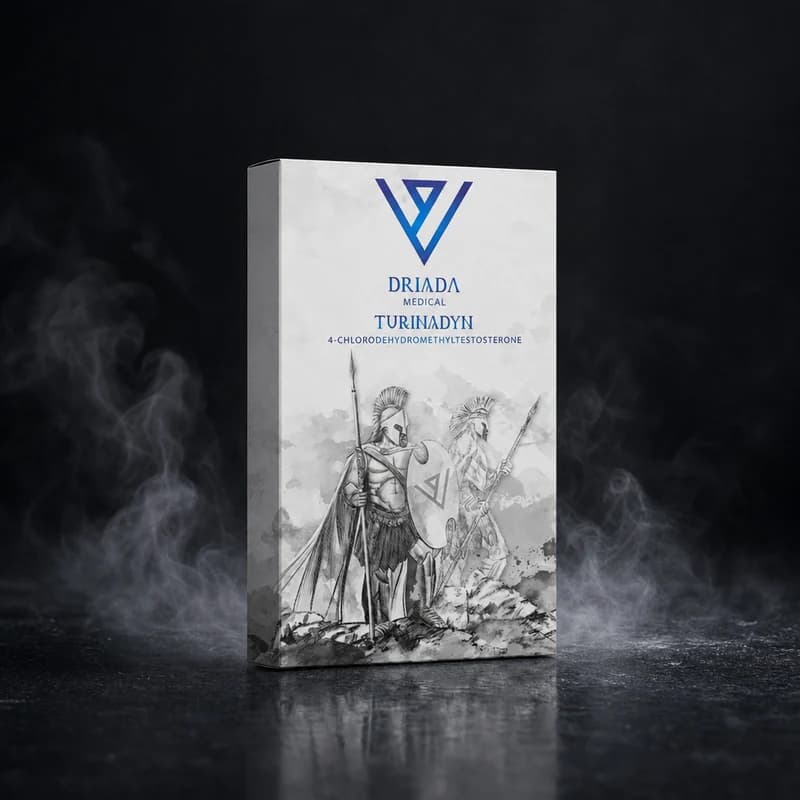
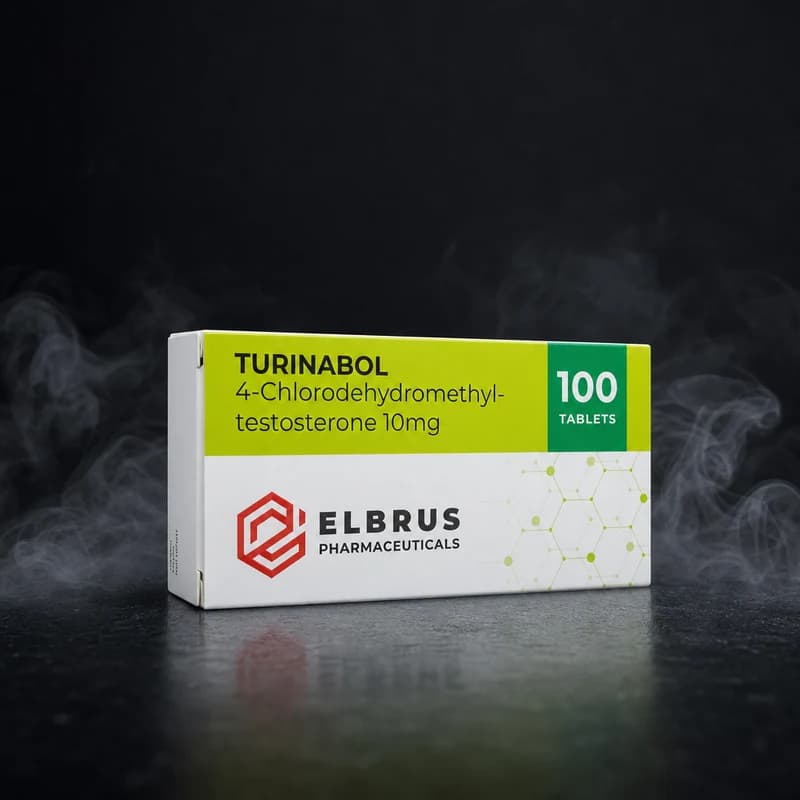
Contraindications: Turanaxyl is contraindicated in individuals with diagnosed hepatic impairment, existing cardiovascular disease including left ventricular hypertrophy, active or suspected androgen-sensitive malignancy, or any documented hypersensitivity to Chlordehydromethyltestosterone or structurally related compounds. Use is not appropriate for individuals under 21 years of age, or for any person who is pregnant, breastfeeding, or planning pregnancy.
Side_Effects: Hepatotoxicity risk from the 17α-methylated structure requires attention even at contest-prep doses; ALT and AST elevation is the primary monitored marker. Androgenic effects — including accelerated scalp hair thinning in genetically predisposed users and increased sebaceous activity — are possible but are generally less pronounced than with non-chlorinated androgens. HDL cholesterol suppression and LDL elevation have been documented in androgen-exposure studies; lipid monitoring is advised throughout use.
Monitoring: Liver enzyme panels (ALT, AST, GGT) should be assessed at baseline, mid-cycle (around week four to five of use), and at cessation. A lipid profile — total cholesterol, HDL, LDL — at the same intervals identifies cardiovascular risk accumulation during preparation. Blood pressure should be self-monitored weekly; any persistent elevation above 140/90 mmHg warrants dose reduction or discontinuation.
PCT: Post-cycle therapy with a SERM (tamoxifen or clomiphene) initiated five to seven days after the last Turanaxyl tablet is standard for HPG axis recovery. Duration of PCT should be a minimum of four weeks, extended to six if blood work at week four indicates LH and FSH have not returned to within-range values. Avoid reintroducing any androgenic compound until baseline testosterone is confirmed by serum assay.

 Lab Tested