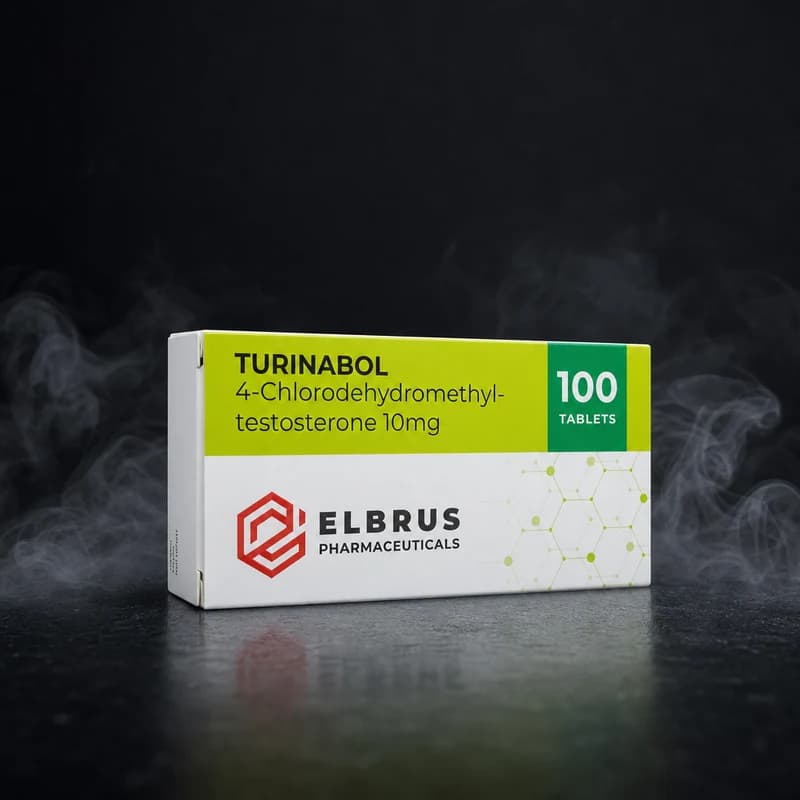
Contraindications: Chlordehydromethyltestosterone is contraindicated in individuals with existing hepatic impairment, confirmed cardiovascular disease, active prostate pathology, or hypersensitivity to anabolic-androgenic steroids. Cruise-and-blast protocols extend total compound exposure duration beyond standard single cycles; individuals with pre-existing lipid dysregulation or elevated baseline liver enzymes should not begin this protocol structure.
Side Effects: Reported adverse effects include suppression of endogenous LH and FSH production (assessed by radioimmunoassay), dose-dependent hepatic enzyme elevation (ALT and AST), reduction in HDL cholesterol, and androgenic effects including acne and scalp sensitivity in predisposed individuals. Extended blast-cruise cycling accumulates HPG axis suppression over time; suppression depth and recovery trajectory differ from those of short single cycles.
Monitoring: ALT, AST, and lipid panels are required at every phase boundary within a cruise-blast protocol — at minimum at blast entry, blast week two to three, blast exit, and mid-cruise. Deviations above twice the upper limit of normal for hepatic markers are a signal to end the current blast phase immediately and extend the cruise interval before reassessment.
PCT: Post-cycle therapy (PCT) using a SERM — typically tamoxifen or clomiphene — is required at protocol conclusion rather than at each individual blast-cruise transition. The depth and duration of HPG axis suppression accumulated across multiple blast-cruise cycles generally requires a longer SERM recovery window than a single-cycle user; SERM dosing should be guided by LH and FSH bloodwork collected at protocol end.

 Lab Tested