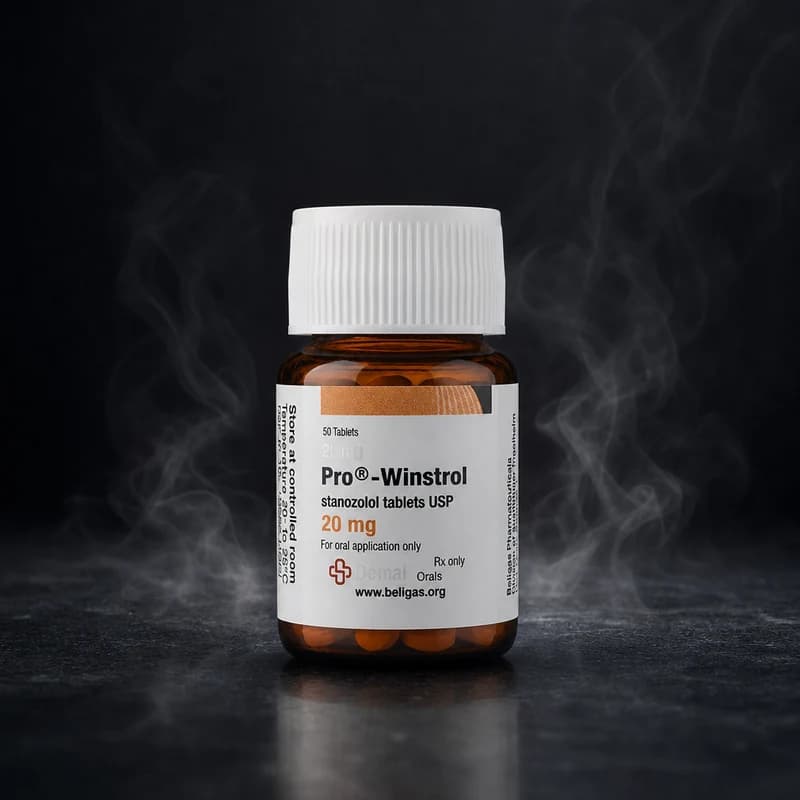
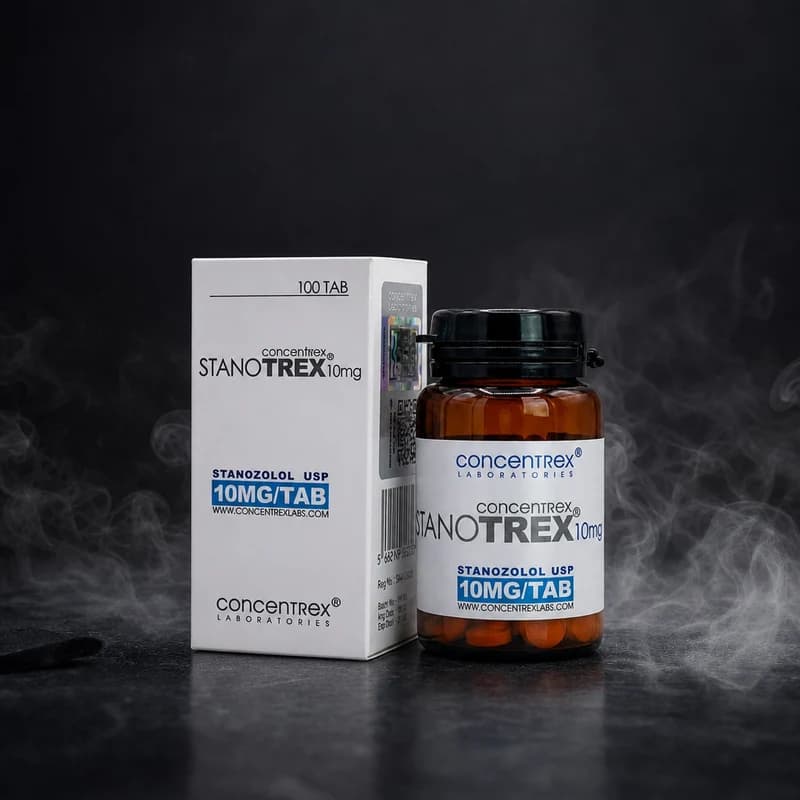
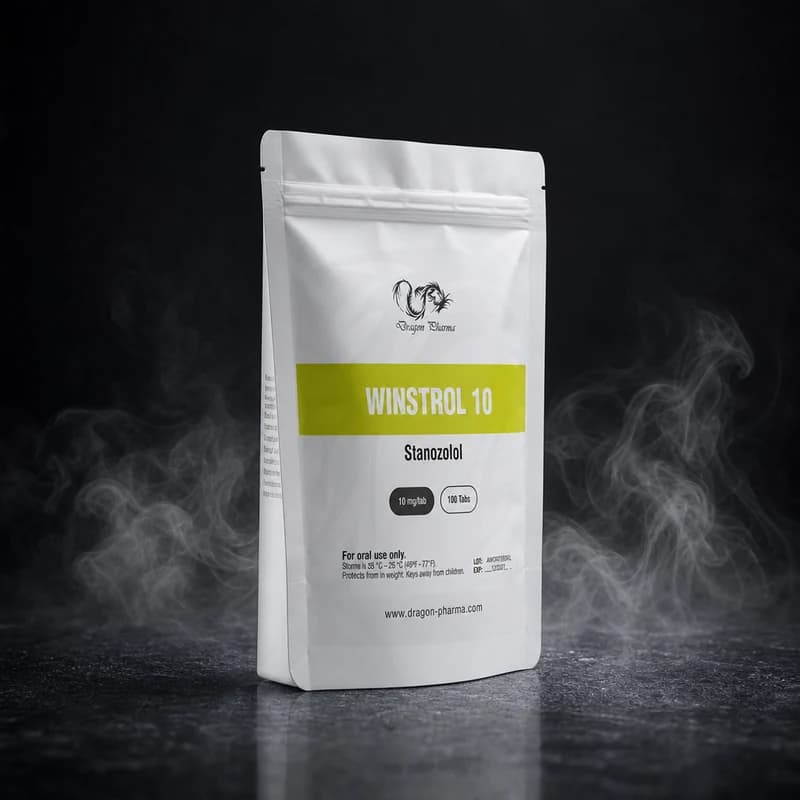
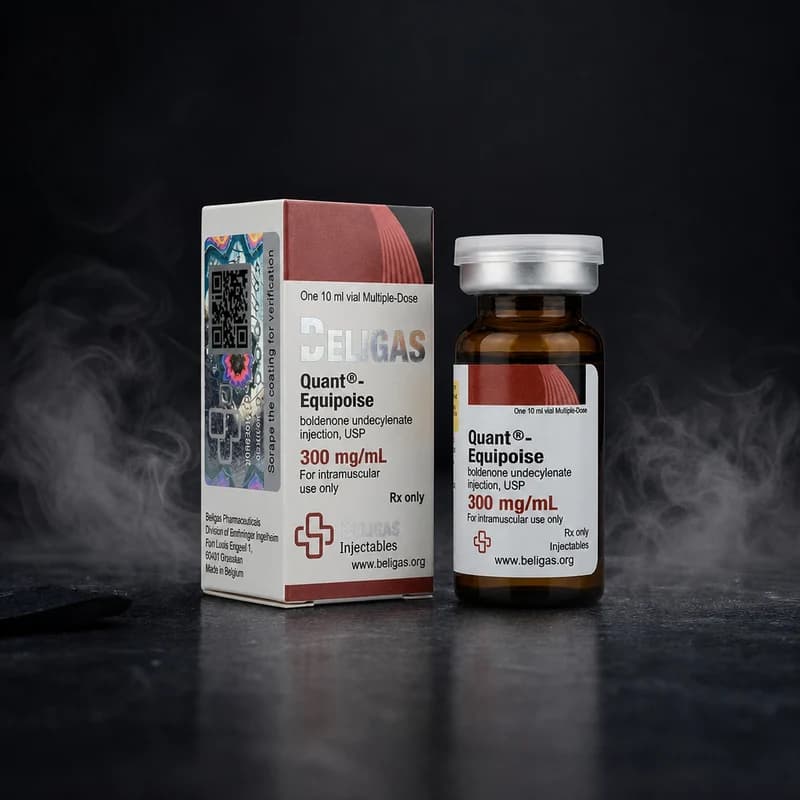
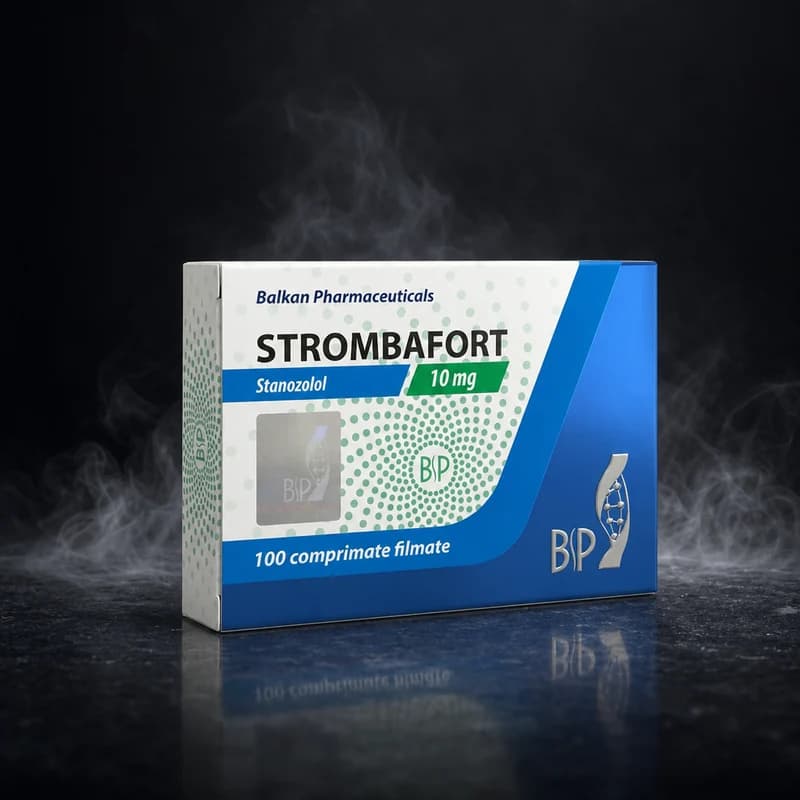
contraindications: Not suitable for individuals with pre-existing hepatic impairment, elevated baseline liver enzymes, or a history of cholestatic jaundice. Contraindicated in individuals with prostate carcinoma, breast carcinoma, or hypersensitivity to stanozolol or any tablet excipient. Not intended for use by persons under 21 years of age or during pregnancy and lactation.
side_effects: Hepatotoxicity is the primary dose-dependent concern associated with 17α-alkylated oral stanozolol — elevated ALT and AST values are common at contest-prep doses and should be monitored every three weeks during a cycle. Joint dryness and connective tissue discomfort are frequently reported during caloric-deficit prep phases and may require supplemental collagen support. Androgenic effects including acne, accelerated scalp hair thinning in genetically predisposed individuals, and virilisation in female users are dose-related and reversible upon discontinuation when caught early. HDL suppression has been documented with stanozolol use; lipid panels are advisable for any cycle exceeding four weeks.
monitoring: Obtain baseline bloodwork including complete liver function panel, lipid profile, and complete blood count before cycle initiation. Repeat liver function testing at the three-week mark during active dosing, and again two weeks post-cycle. Blood pressure monitoring is advisable throughout, particularly during the caloric-restriction phase of contest prep when cardiovascular stress is compounded.
pct: Stanozolol suppresses endogenous testosterone production through hypothalamic-pituitary-gonadal axis feedback inhibition. PCT should begin no later than three days after the final oral dose, typically incorporating a SERM such as tamoxifen (20–40 mg/day) or clomiphene (25–50 mg/day) for a minimum of four weeks. Baseline testosterone levels and LH/FSH values taken before the cycle provide the target recovery benchmark for post-cycle follow-up bloodwork.

 Lab Tested