Stanozolol as a Stack Component: Role, Rationale, and Combination Strategy
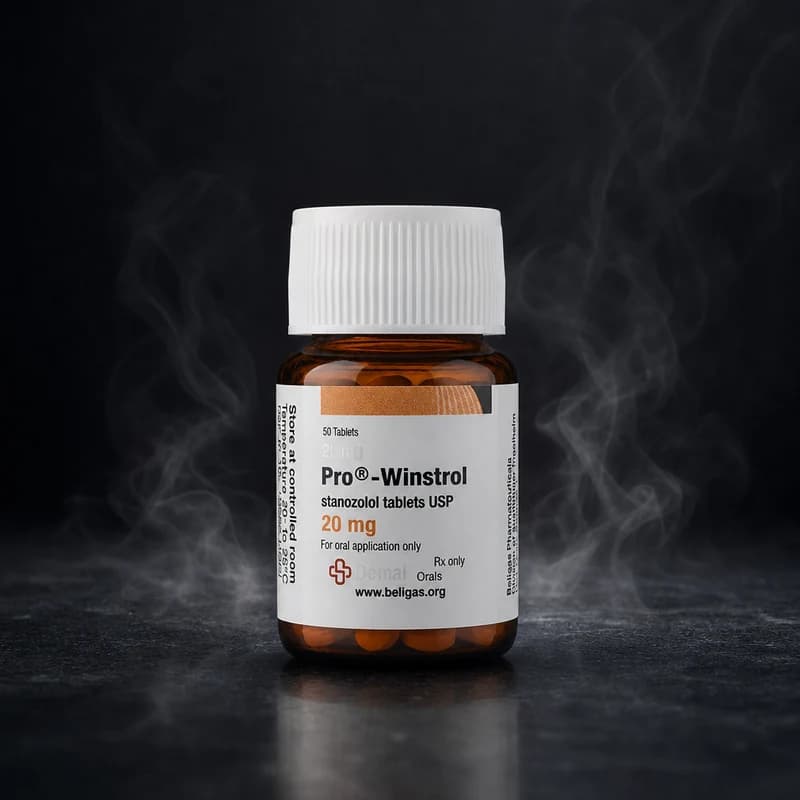
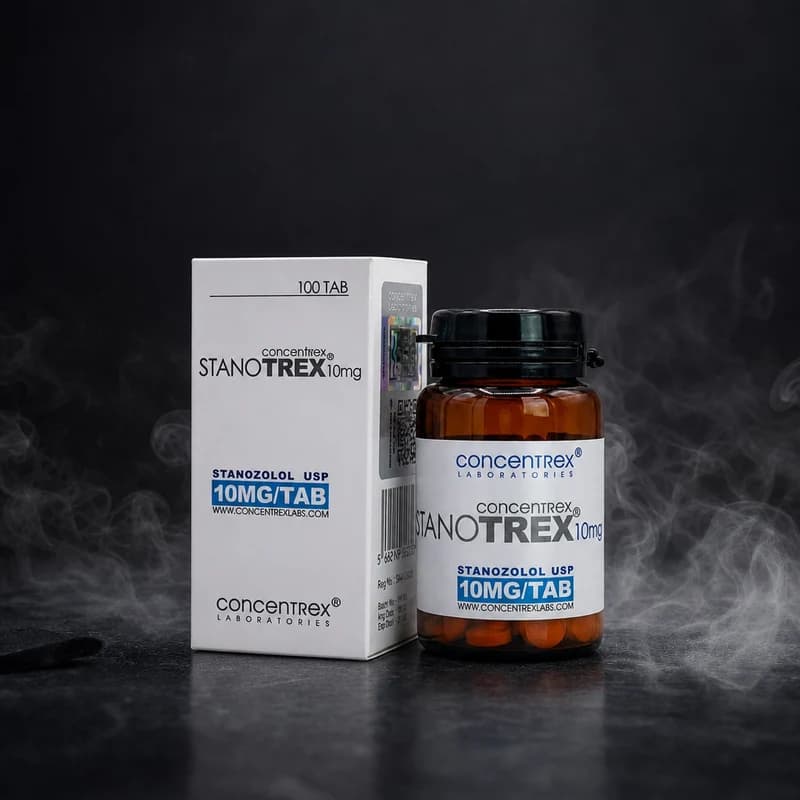
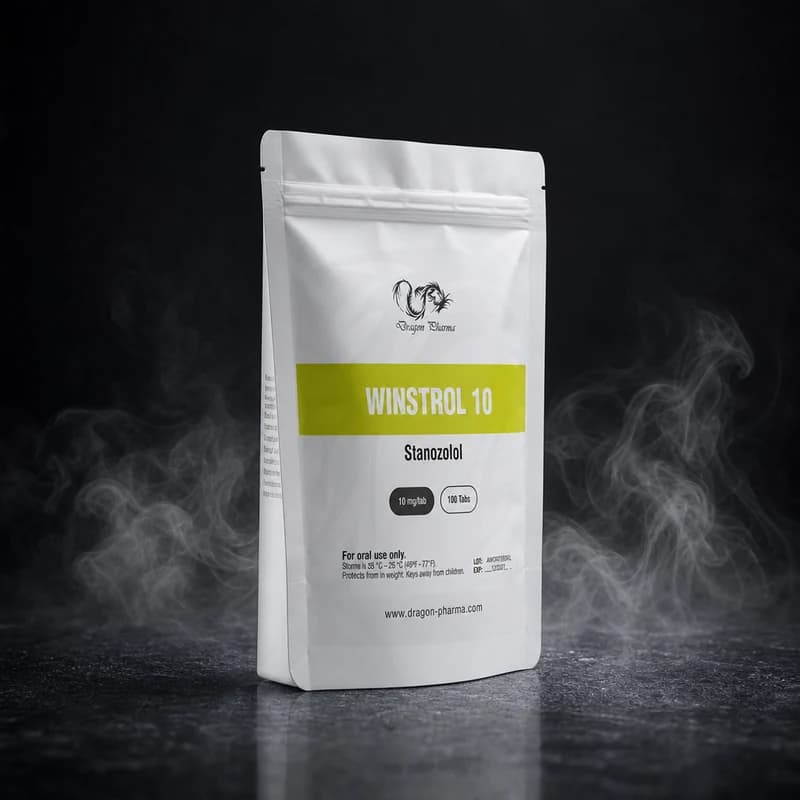
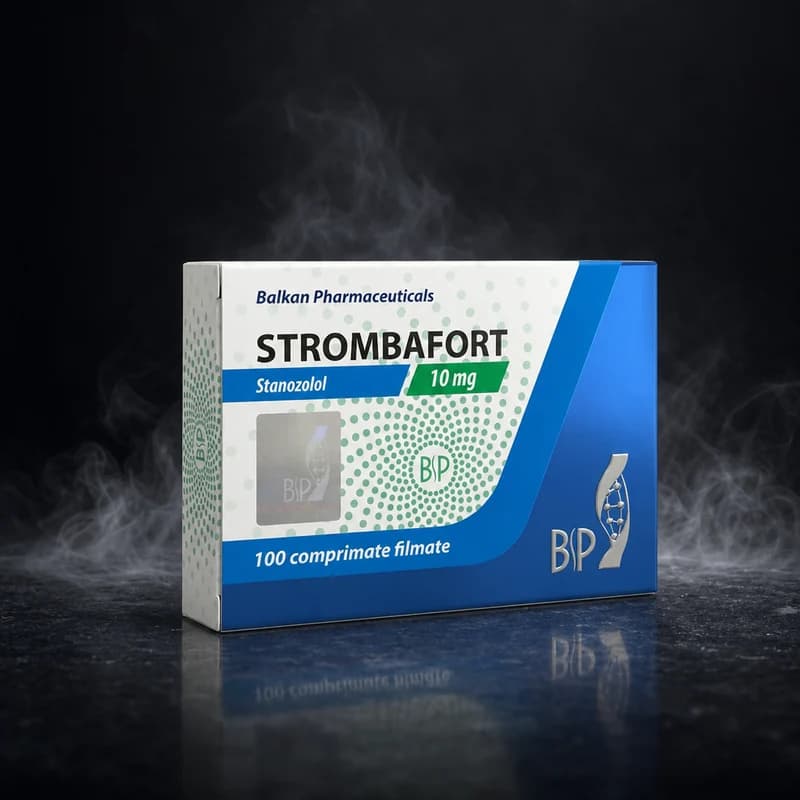
LA Pharma Stanozolol 10mg defines itself within the oral anabolic category as a multi-stack–compatible compound: a dihydrotestosterone-derived agent whose non-aromatising profile and SHBG-binding activity make it a structurally distinct addition to combination protocols rather than a standalone intervention. Unlike testosterone-based anchors that introduce estrogenic variables, stanozolol introduces zero aromatase substrate, allowing a stacker to layer anabolic signalling without recalculating aromatase inhibitor demand. This property positions it as a true additive element rather than a variable that destabilises an existing hormonal balance.
Classic and Contemporary Stacking Patterns
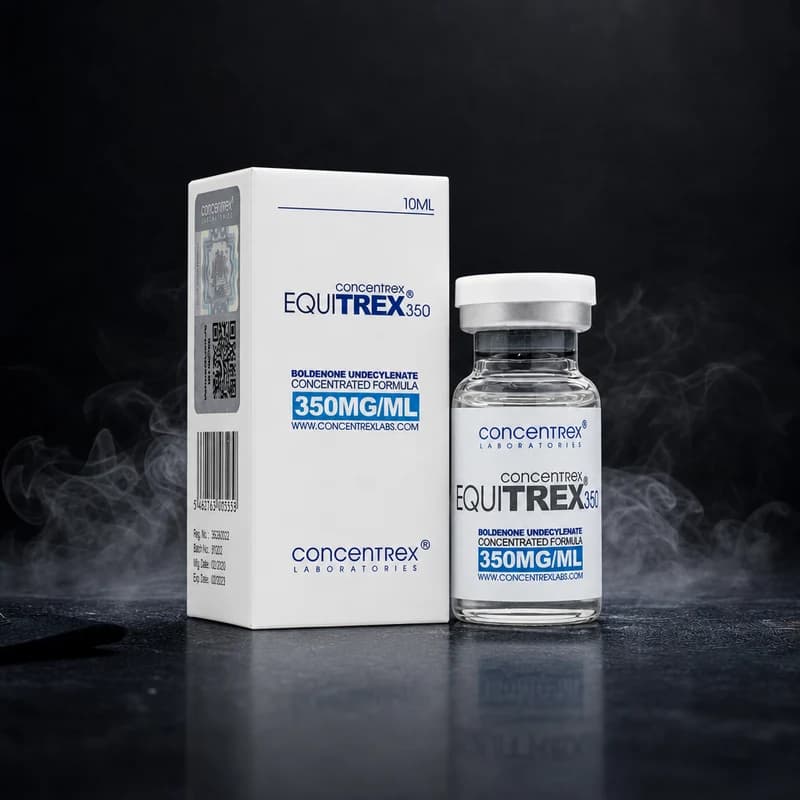
The most established combination pairs stanozolol with a long-ester testosterone base — Testosterone Enanthate or Testosterone Cypionate — where the testosterone supplies the androgenic foundation and stanozolol contributes a non-redundant anabolic signal through a mechanistically separate pathway. Compared to stacking two aromatising agents at equivalent total milligram load, a stanozolol–testosterone combination produces a leaner hormonal environment with reduced reliance on estrogen-control ancillaries. A second well-documented pattern places stanozolol alongside Trenbolone Acetate in competitive-preparation stacks, where neither compound aromatises and the combined nitrogen-retention effect is compounded without estrogen accumulation. A third pattern uses stanozolol as the oral bookend in a Primobolan or Anavar base, producing a mild-androgenic, high-anabolic stack suited to athletes prioritising muscle quality over rapid mass gain.
Stack Architecture and the 10 mg Denomination Advantage
LA Pharma's 10 mg tablet format gives the stack architect week-by-week titration control without requiring tablet splitting or dosing estimation. HPLC content-uniformity analysis confirms each tablet to declared specification, meaning the dose increment a practitioner adds or removes is pharmacologically reliable — critical when stanozolol functions as the fine-tuning layer atop a fixed anchor compound. PCT integration planning is simplified because stanozolol's oral clearance profile is predictable: practitioners can schedule SERM-based post-cycle therapy immediately after the final tablet without waiting on extended ester clearance, provided the anchor compound's own taper is accounted for separately.
Monitoring Within a Stack Context
Liver enzyme surveillance (ALT, AST) becomes more — not less — important within combination protocols, as hepatic load from concurrent 17α-alkylated compounds compounds the stanozolol-related enzyme signal. Lipid panel review every four weeks is standard practice when stanozolol is stacked, given that its HDL-suppressive effect is additive with similarly acting oral agents.

 Lab Tested