Riptropin as a Regenerative Agent for Joints and Connective Tissue
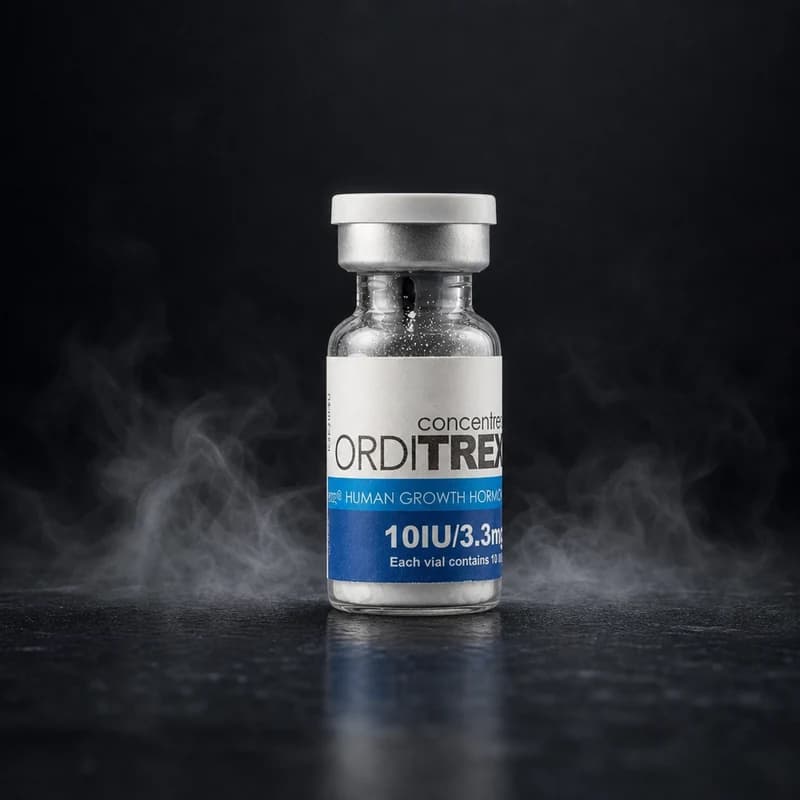
Riptropin (recombinant somatropin, 20 IU/vial) functions as a systemic regenerative signal that directs fibroblasts, chondrocytes, and tenocytes to rebuild damaged connective tissue faster than the body can achieve unassisted. Growth hormone binds its receptor on tenocytes, triggering local IGF-1 secretion that directly accelerates collagen type III and type I turnover within injured tendons — a mechanism documented in peer-reviewed sports-medicine literature. Compared to passive rest protocols, exogenous somatropin use has been associated with measurably shorter return-to-training timelines in clinical observations of athletes with Grade I–II tendon injuries.
How Somatropin Supports Tendon, Cartilage, and Joint Matrix Repair
Riptropin promotes extracellular matrix remodelling through two converging pathways: direct GH receptor activation in synovial fibroblasts and paracrine IGF-1 release that upregulates proteoglycan synthesis in articular cartilage. Proteoglycans are the structural molecules that retain water within cartilage, and their restoration is measurable via MRI cartilage-volume studies. Hubei Huangshi Nanshang produces Riptropin under GMP conditions; each vial's amino-acid sequence integrity is confirmed by HPLC, and endotoxin burden is controlled via LAL (Limulus Amebocyte Lysate) testing — ensuring the injectable product meets pharmaceutical-grade sterility thresholds.
IGF-1 as the Downstream Repair Signal
Once somatropin elevates circulating and local IGF-1 levels, satellite cells adjacent to musculotendinous junctions proliferate and migrate toward micro-tear sites. Riptropin delivers a consistent 20 IU peptide dose per vial, giving practitioners a reproducible input for titrating IGF-1 response — serum IGF-1 measured via immunoassay serves as the quantitative feedback marker for dose optimisation during a healing protocol.
Batch-Tested Potency: Why Verification Matters for Therapeutic Dosing
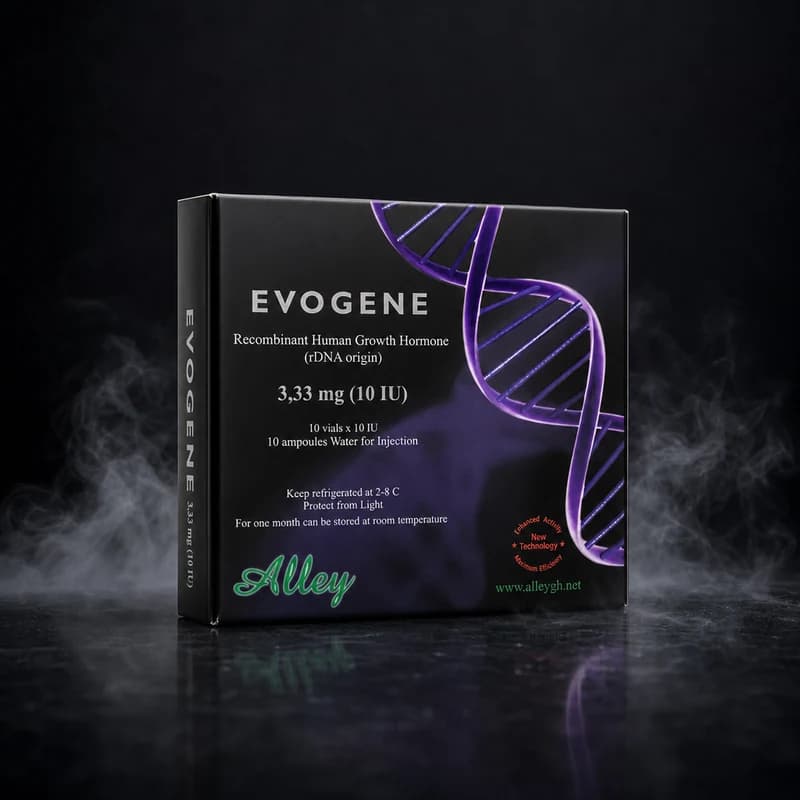
Every production lot of Riptropin is independently Batch Tested, meaning third-party potency confirmation is completed before any vial enters distribution. For a regenerative application — where under-dosed product extends injury timelines and over-dosed product raises side-effect risk — verified IU accuracy is not optional. The 10-vial kit format provides sufficient supply for a full 8–12-week connective-tissue rehabilitation cycle at therapeutic dose ranges commonly cited in sports-medicine literature (1–3 IU daily).

 Lab Tested