The Historical Origins of Trenbolone Hexahydrobenzylcarbonate
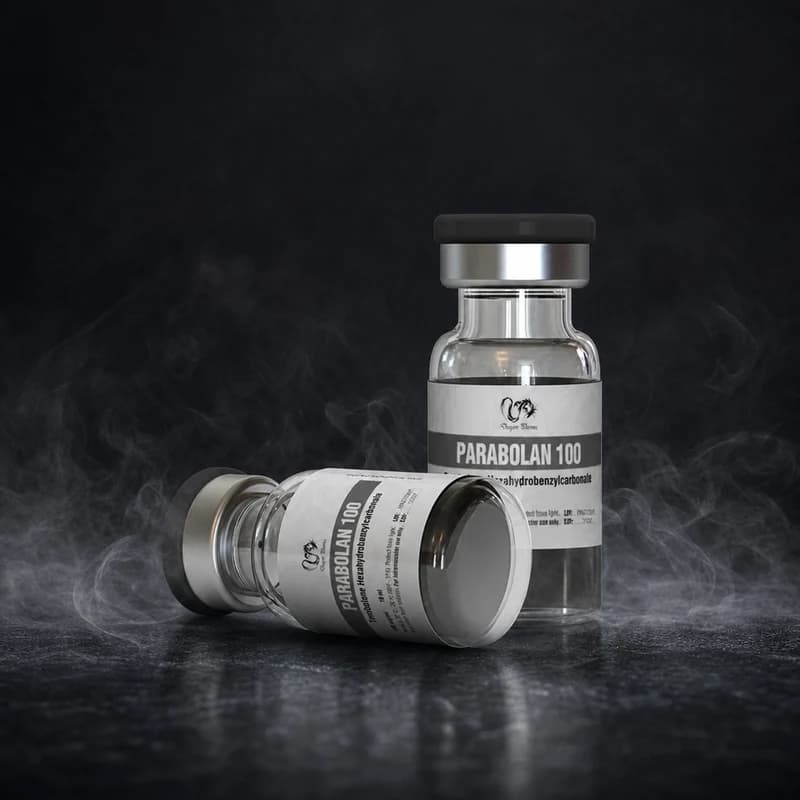
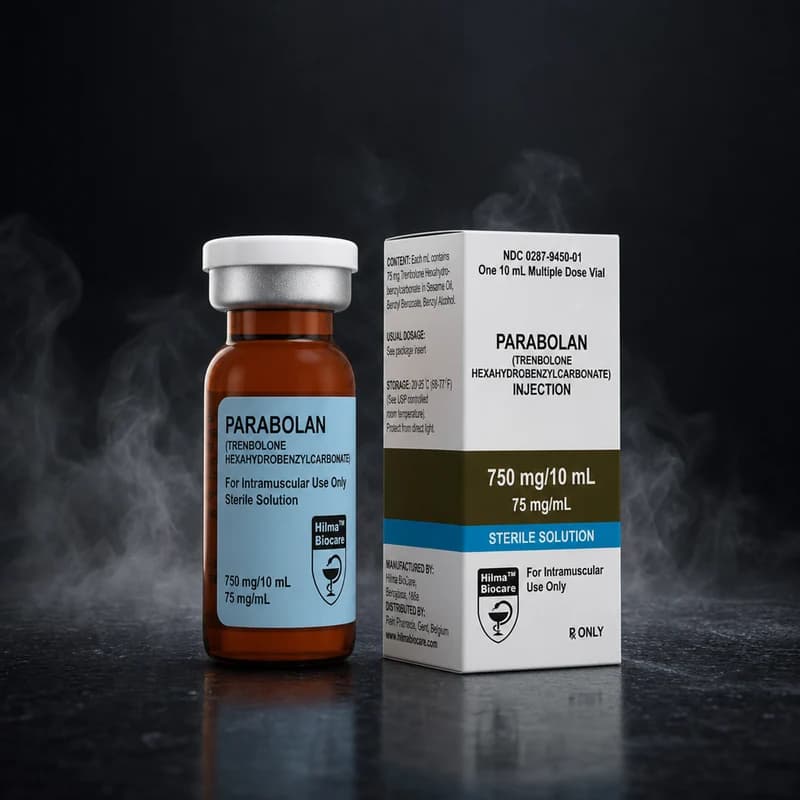
Parabolan by Balkan Pharmaceuticals represents the pharmaceutical continuation of a compound with one of the most distinctly documented origin stories in anabolic pharmacology: Trenbolone Hexahydrobenzylcarbonate was developed by the French company Roussel-UCLAF in the late 1960s and brought to the human pharmaceutical market under the Parabolan trade name in 1980. Unlike the majority of anabolic steroids — which were developed exclusively for veterinary or research applications and later adopted off-label — this ester of trenbolone carried a legitimate clinical indication for hypogonadism and cachexia in human patients in France. Roussel-UCLAF's formulation set the compound's concentration at 76.5 mg/1.5 ml ampoule, a dose density that reflected the prescribing norms of the era.
From French Pharmacy to Modern Performance Use
The original Parabolan product was discontinued by Negma (which had acquired the brand from Roussel-UCLAF) in 1997, a decision attributed to commercial rather than safety grounds. That discontinuation created a historical gap in the supply of pharmaceutical-grade Trenbolone Hexahydrobenzylcarbonate. Compared to Trenbolone Acetate — a shorter ester that dominated veterinary use throughout the 1980s and 1990s — the hexahydrobenzylcarbonate ester offers a markedly extended release profile owing to its larger, cycloaliphatic side chain, a structural distinction confirmed in pharmacokinetic literature. Balkan Pharmaceuticals re-established pharmaceutical-quality production of this compound at 100 mg/ml, reformulating the original Negma dose architecture into a clean, single-dose 1 ml ampoule format aligned with current EU GMP Annex 1 requirements.
Compound Mechanism and Structural Identity
Trenbolone itself is a 19-nor androgen with high binding affinity for the androgen receptor, documented in receptor-binding assays at approximately 3–5 times that of testosterone. Balkan Pharmaceuticals produces Parabolan using active pharmaceutical ingredient (API) sourced through GMP-compliant supply chains, with identity and purity confirmed by HPLC (high-performance liquid chromatography) analysis prior to batch release. The LAL (Limulus Amebocyte Lysate) test verifies endotoxin levels within the thresholds specified for parenteral injectables. Each batch carries a certificate of analysis traceable to the Chișinău production facility, ensuring that the compound's historical pharmaceutical standards are honoured in every ampoule manufactured today.
Balkan Pharmaceuticals and the Established Brand Legacy
Balkan Pharmaceuticals, founded in 2006 and operating as an Established Brand in the injectable anabolic category, has positioned Parabolan within its portfolio as a historically grounded, single-compound product with no secondary active agents — reflecting the same formulation philosophy as the original 1980 French approval. The 10 x 1 ml ampoule presentation preserves single-dose sterility across the entire pack, a packaging format consistent with modern clinical injectable standards and the historical glass ampoule presentation of the original Parabolan.

 Long-Acting Formula