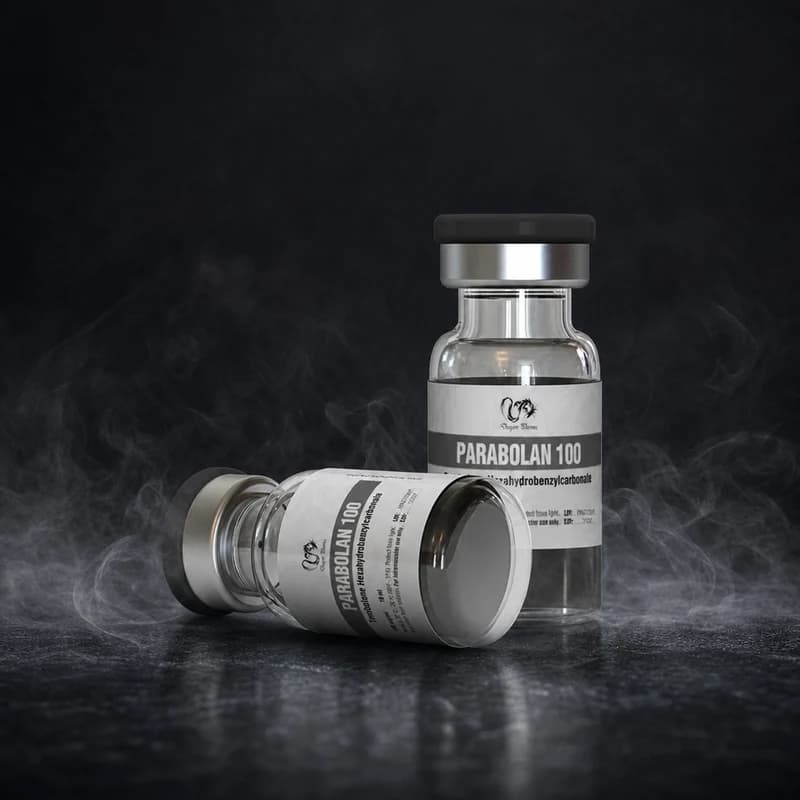
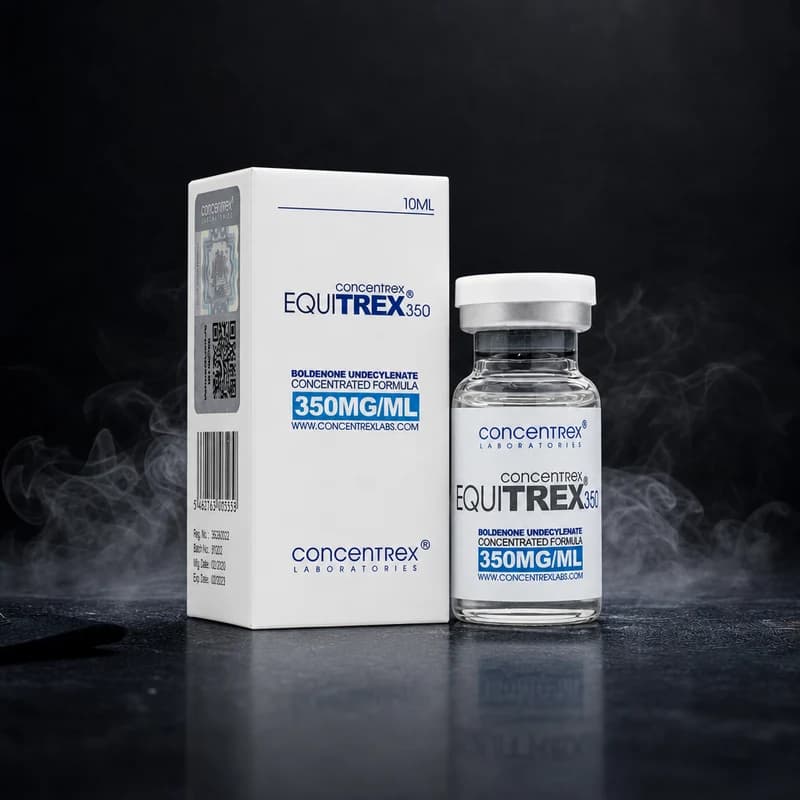
Contraindications: Hexos must not be used by individuals with active cardiovascular disease, elevated haematocrit above 52%, prostate pathology, hepatic impairment, or a documented hypersensitivity to any trenbolone ester. Women of childbearing age are strictly excluded due to the pronounced virilising androgenic index of trenbolone hexahydrobenzylcarbonate.
Side Effects: Trenbolone hexahydrobenzylcarbonate carries a materially elevated androgenic rating compared to testosterone, increasing the risk of androgenic alopecia in genetically predisposed individuals, elevated LDL and suppressed HDL on lipid panels, insomnia and nocturnal sweating during blast phases, and progesterone-pathway sensitivity potentially manifesting as lactation-related gynecomastia without concurrent prolactin management.
Monitoring: Blood work at minimum should include CBC with haematocrit, full lipid panel, ALT and AST enzymes, and serum prolactin — conducted at the end of each blast phase before re-entering or extending a cruise. Blood pressure monitoring twice weekly during the blast phase is recommended given trenbolone's vasopressive potential.
PCT: Because the hexahydrobenzylcarbonate ester clears slowly following the last Hexos injection, post-cycle therapy start timing must account for residual plasma trenbolone activity; standard SERM-based PCT (Nolvadex or Clomid) should not be initiated until luteinising hormone and follicle-stimulating hormone suppression has reached its nadir — typically confirmed by a blood panel rather than assumed by calendar alone.

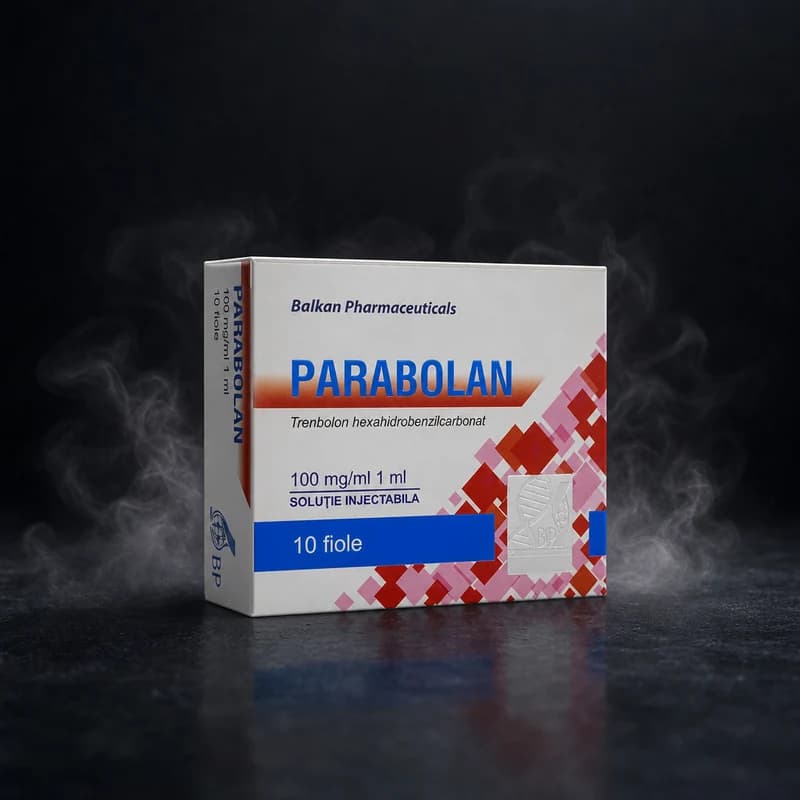 Established Brand