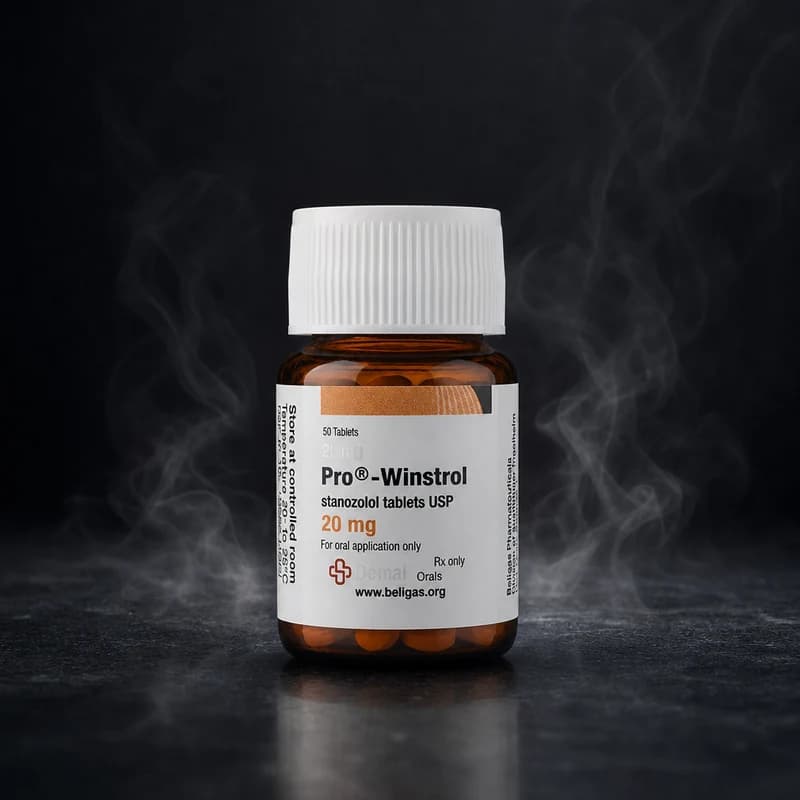
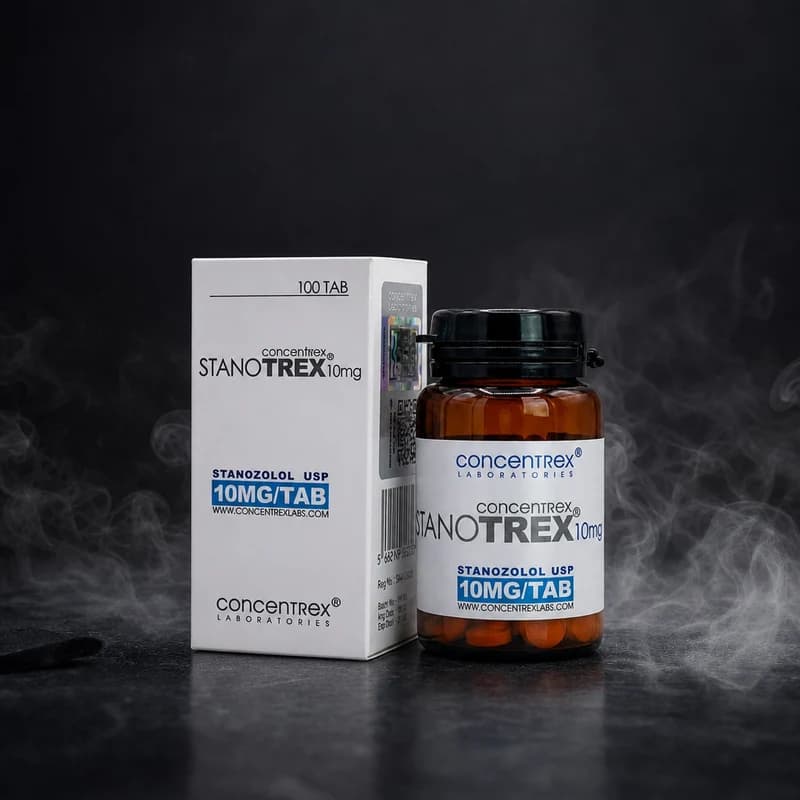
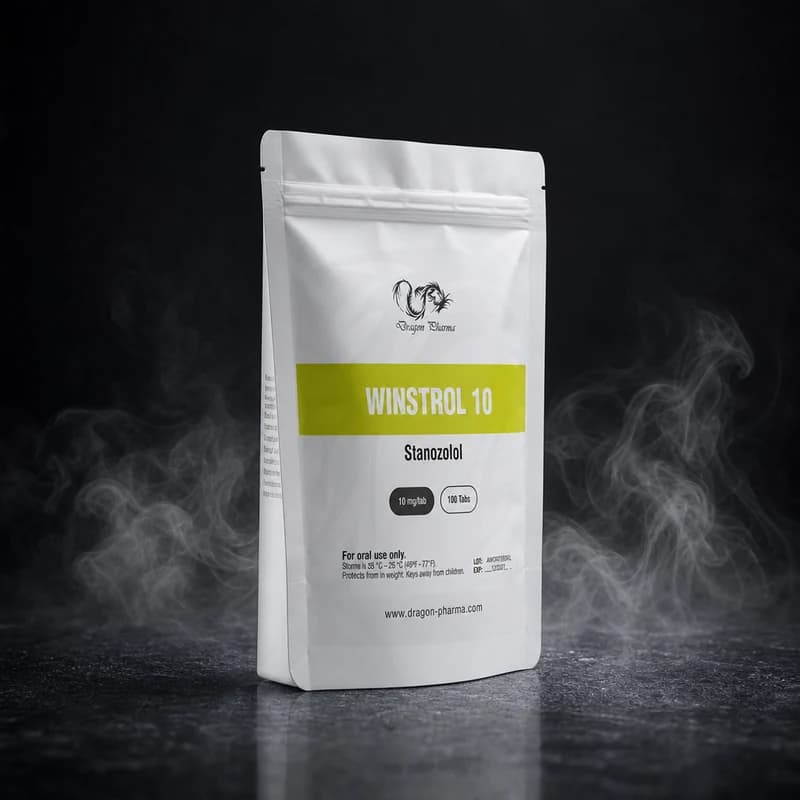
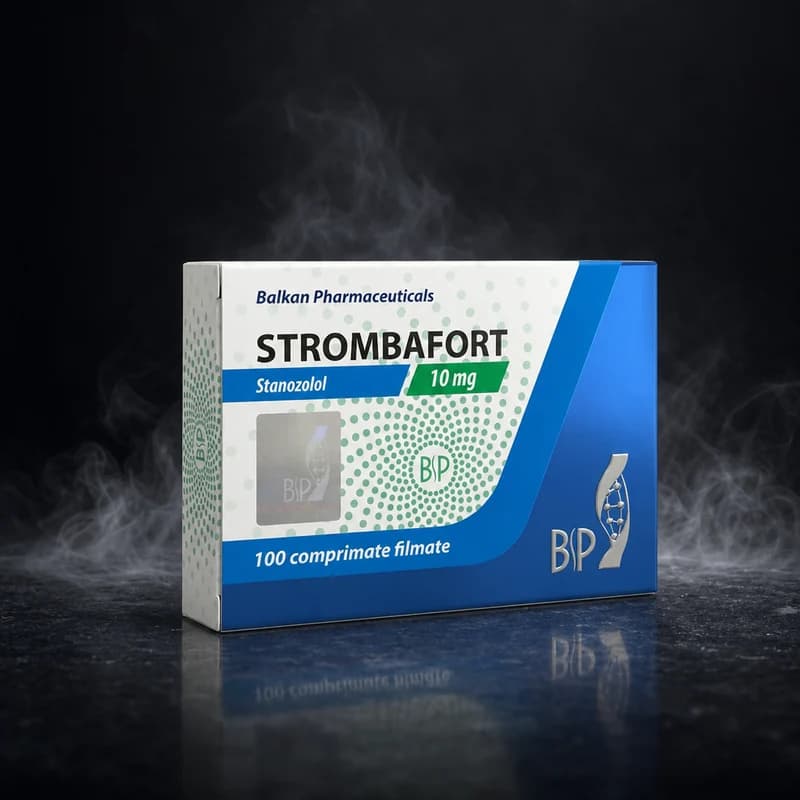
Contraindications: NordiStanol is contraindicated in individuals with active hepatic impairment, elevated baseline liver enzymes without identified cause, existing cardiovascular disease involving dyslipidaemia, prostate pathology, or pregnancy. Women of childbearing potential should not use stanozolol due to virilisation risk. Do not combine with other 17α-alkylated oral compounds during the same cycle.
Side Effects: Hepatic enzyme elevation (ALT and AST) is the primary dose-dependent risk of 17α-alkylated stanozolol. HDL cholesterol reduction occurs predictably and should be quantified by lipid panel. Joint dryness affecting elbows, knees, and shoulders is reported by a proportion of users; this effect is more pronounced during caloric restriction. Androgenic effects including acne, scalp hair thinning, and mood changes are possible, particularly at doses above 20 mg daily.
Monitoring: Liver function tests (ALT, AST, ALP) and a full lipid panel at baseline, at the cycle midpoint, and within two weeks post-cycle are the minimum monitoring framework. Blood pressure measurement is advisable monthly given stanozolol's haematological activity. When stanozolol is used alongside a suppressive SARM, include LH, FSH, and total testosterone in the post-cycle panel to characterise HPG axis recovery trajectory.
PCT: Stanozolol contributes to HPG axis suppression, though the degree varies with dose and cycle duration. When co-administered with a suppressive SARM, plan PCT timing and compound selection based on the full suppressive load of both agents. Standard SERMs (Tamoxifen or Clomiphene) are used in most post-cycle recovery protocols; the specific duration and dosing should reflect bloodwork rather than calendar convention.

 Lab Tested