 Lab Tested
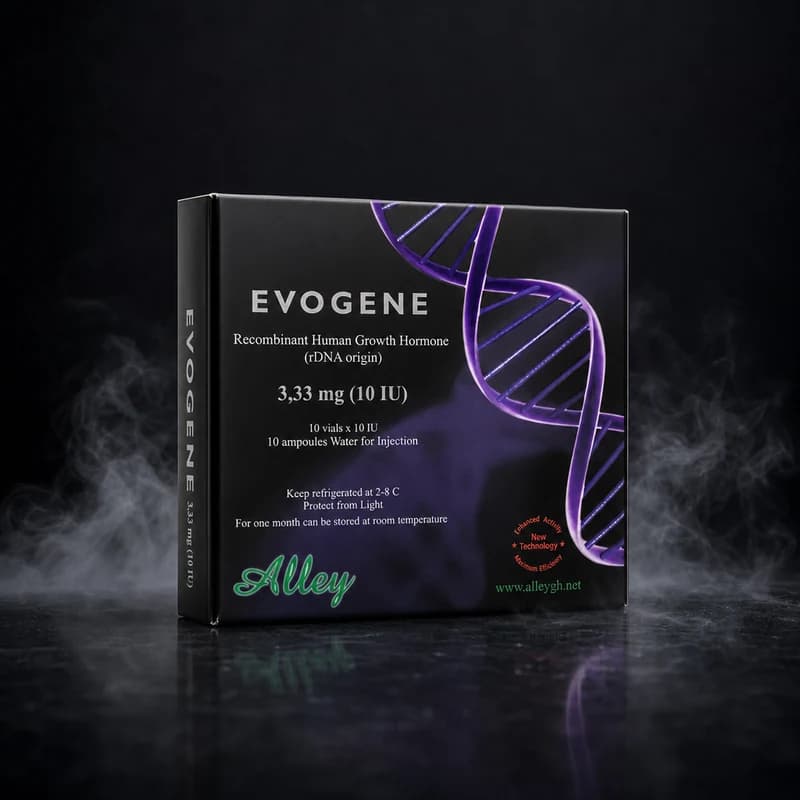
Evogene 10iu/vial 10 Vials by Alley
Evogene by Alley delivers recombinant human growth hormone (somatropin) at 10 IU per lyophilized vial — engineered specifically to support active lipolysis, making it a precision tool for athletes targeting stubborn adipose tissue during a structured caloric deficit. Growth hormone stimulates hormone-sensitive lipase, elevating the release of free fatty acids from stored triglycerides; when paired with timed fasting or a low-insulin dietary window, this lipolytic action is meaningfully amplified. Each batch of Evogene undergoes HPLC purity verification, LAL endotoxin testing, and GMP-compliant production — quality standards confirmed by independent lab analysis.
€260.00