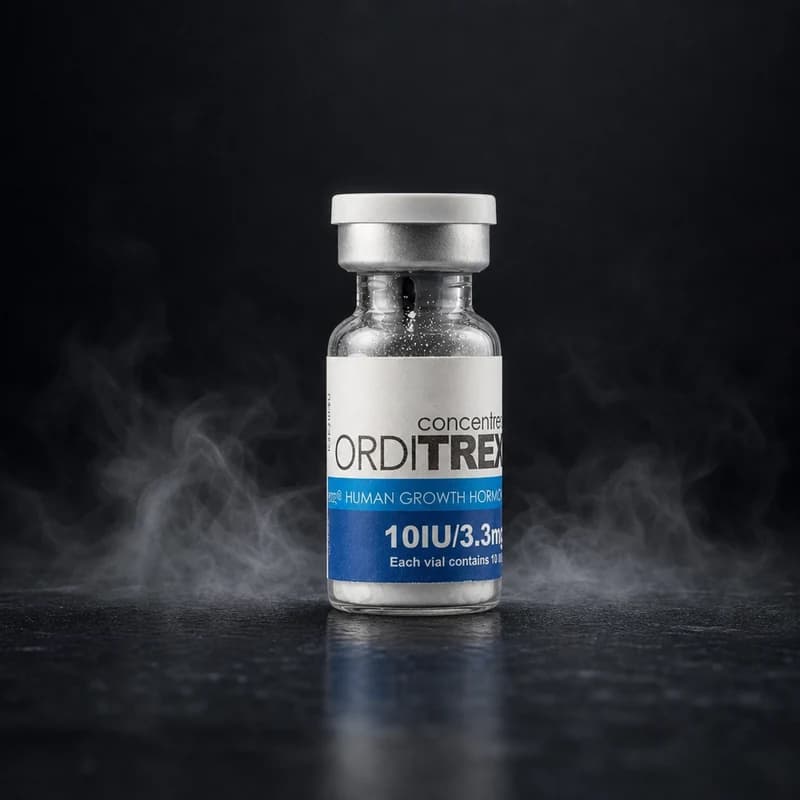
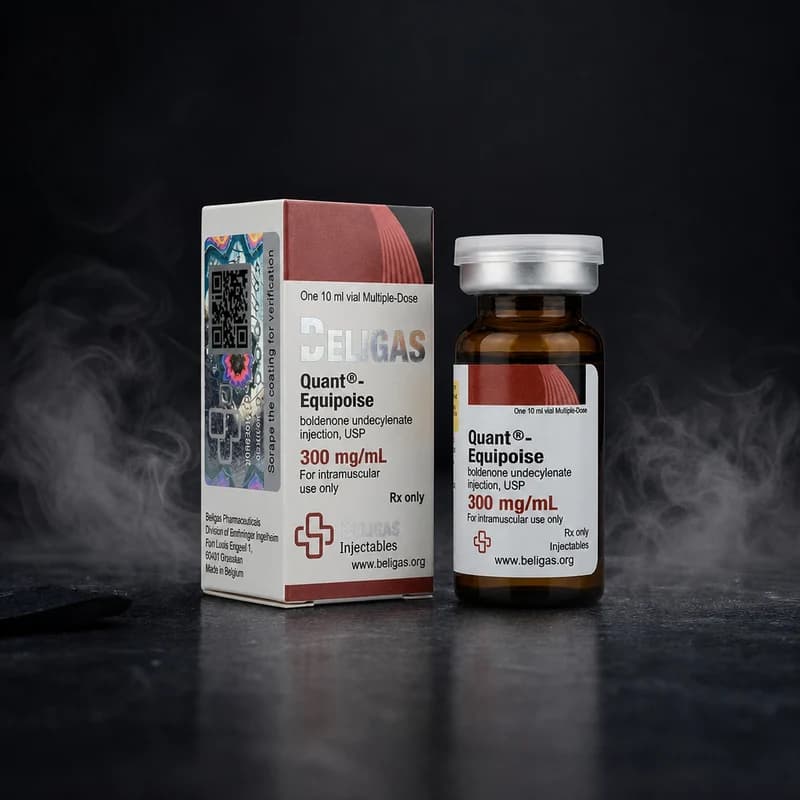
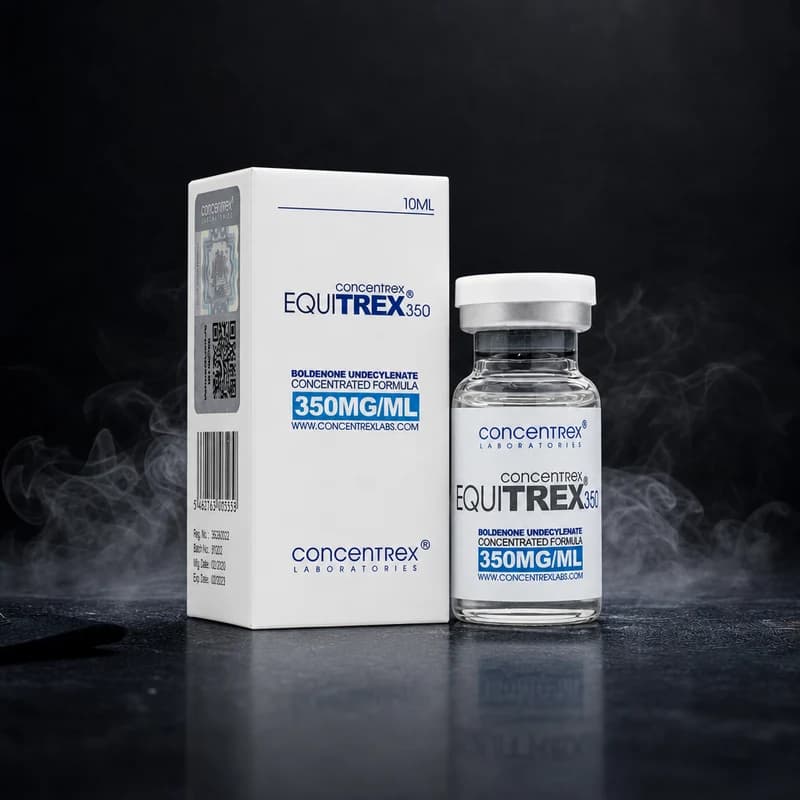
Contraindications: Hygetropin must not be used by individuals with active malignancy, diabetic retinopathy, closed epiphyseal plates (growth still in progress), or known hypersensitivity to somatropin or any excipient. Stacking with AAS is contraindicated in persons with pre-existing cardiovascular disease, severe hepatic impairment, or untreated hypertension, given the compounded haemodynamic load of combined hormonal administration.
Side_Effects: Common reactions at the somatropin component include peripheral fluid retention, transient joint discomfort, and injection-site reactions. At doses of 4 IU/day and above — particularly when stacked with androgens — insulin sensitivity may decrease, requiring fasting glucose monitoring. AAS co-administration adds androgen-specific risks including suppression of the hypothalamic-pituitary-gonadal axis, elevated haematocrit, and hepatotoxicity with oral compounds.
Monitoring: Obtain IGF-1 serum levels (immunochemiluminescence) at baseline and at 4-week intervals. Fasting glucose and HbA1c should be assessed at weeks 0 and 8 to detect GH-induced insulin resistance. Full blood count (haematocrit, haemoglobin), liver enzymes (ALT/AST), and lipid panel are standard monitoring checkpoints for any concurrent AAS protocol.
PCT: Anabolic steroids suppress endogenous testosterone production; a structured PCT using SERMs (e.g., tamoxifen or clomiphene) should commence 2–3 weeks after the last long-ester AAS injection. Somatropin does not directly suppress the HPG axis but may be tapered rather than stopped abruptly to allow natural GH pulsatility to re-establish. An aromatase inhibitor during the AAS phase minimises oestrogen-related complications and protects cardiovascular markers.

 Lab Tested