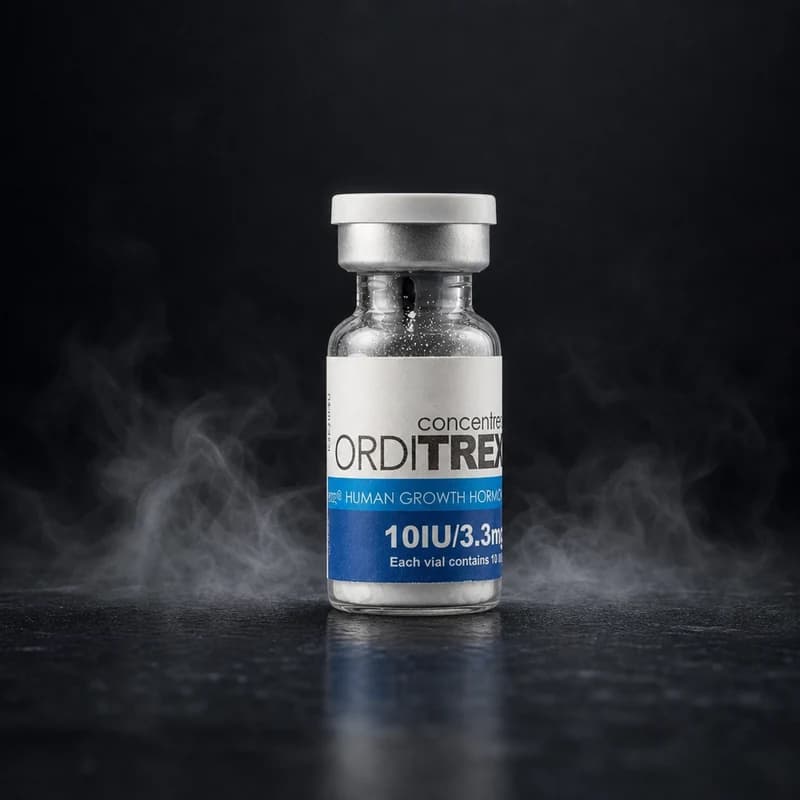
What Hygetropin 100 IU Is and Why Side-Effect Literacy Matters
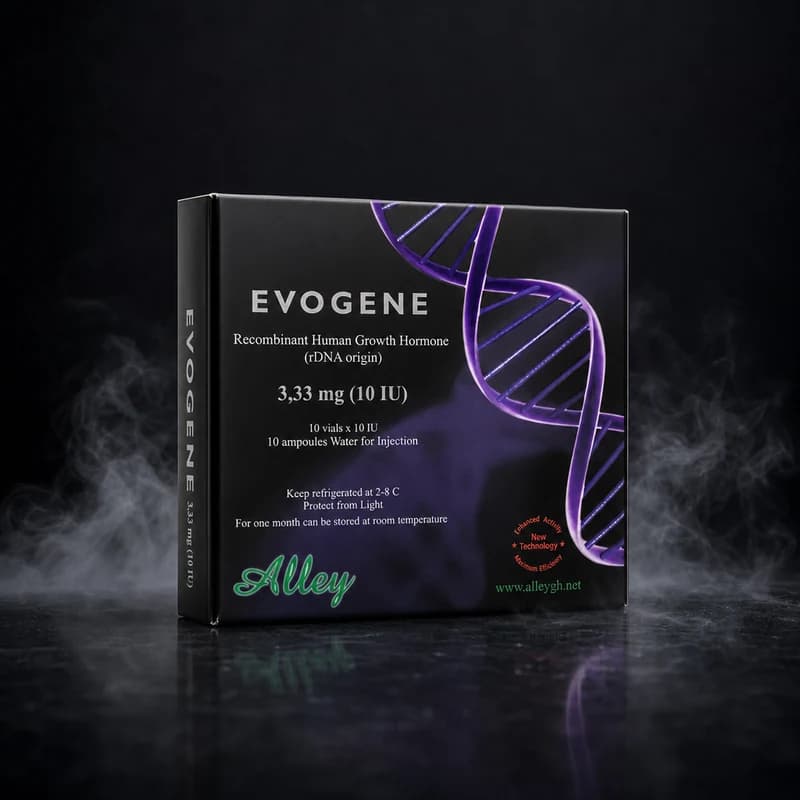
Hygetropin 100 IU (10x10IU) is a lyophilised recombinant somatropin product whose 191-amino-acid sequence is identical to endogenous pituitary growth hormone, supplied in a ten-vial kit that gives users precise per-injection control — a critical factor when titrating dose to minimise adverse responses. Side-effect awareness is not optional for responsible HGH use; it is the primary variable separating productive cycles from medically complicated ones. Hygene manufactures each vial to a verified 10 IU potency confirmed by reverse-phase HPLC, ensuring the dose the user calculates is the dose actually administered.
The Three Principal Side Effects: Mechanisms and Management
Water retention is the most frequently reported somatropin-related complaint, occurring because exogenous HGH elevates renal sodium reabsorption and promotes extracellular fluid expansion — an effect that is dose-dependent and typically resolves within one to two weeks of reducing daily IU intake by 25–50 %. Carpal tunnel syndrome arises from the same fluid-retention mechanism: accumulated interstitial fluid compresses the median nerve within the carpal tunnel, producing numbness and tingling in the thumb, index, and middle fingers; compared to users running continuous high-dose protocols without adjustment, those who implement structured dose reductions report symptom remission in the majority of cases without discontinuation. Insulin resistance represents the third major concern — somatropin antagonises insulin signalling at the post-receptor level, measurably elevating fasting glucose in susceptible individuals, a shift that OGTT (oral glucose tolerance testing) can quantify before it progresses to clinically relevant hyperglycaemia.
Monitoring Protocols That Reduce Side-Effect Burden
Somatropin elevates IGF-1 serum concentrations in a dose-linear fashion, making quarterly IGF-1 blood panels the most objective tool for detecting over-supplementation before symptoms become pronounced. Users should track fasting glucose weekly during the first month, since early glucose elevation is reversible through dose reduction or brief cycle interruption. Hygene's 10 IU vial format — rather than larger multi-dose vials — supports micro-adjustment discipline by making each reconstitution event a deliberate dosing decision rather than an incidental draw from a communal vial.
Practical Dosing Adjustments for Side-Effect Control
Reducing total daily IU by half upon onset of oedema or paraesthesia is the evidence-aligned first response; most users regain symptom-free status within 7–14 days at the lower dose. Splitting the daily total into two smaller injections flattens serum peaks and reduces fluid shifts compared to a single large bolus — a strategy particularly relevant for those sensitive to oedema. Dietary carbohydrate management alongside HGH use supports glucose homeostasis by lowering the insulinogenic load during the window of peak somatropin activity.

 Lab Tested