GHRP-6 as a Bridge and PCT Peptide: Axis-Safe Muscle and Joint Support
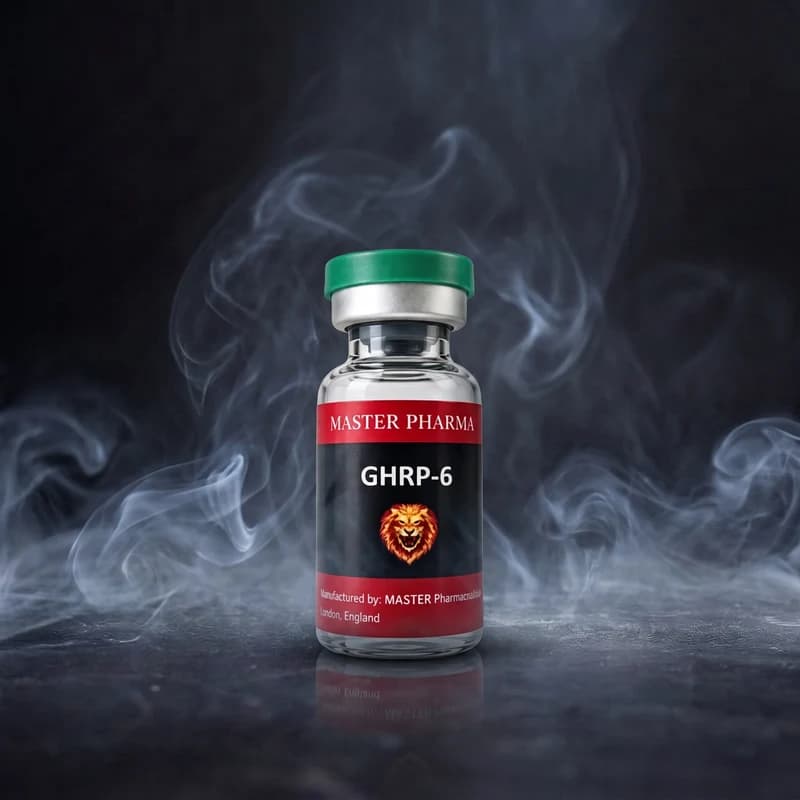
GHRP-6 is a synthetic hexapeptide secretagogue that stimulates endogenous GH release through pituitary GHS-R1a agonism, making it one of the few anabolic-supporting compounds that operates independently of the hypothalamic-pituitary-gonadal (HPG) axis — a critical distinction during post-cycle therapy (PCT) or inter-cycle bridges when hormonal axis recovery must not be compromised. Compared to exogenous GH supplementation, GHRP-6 preserves the pulsatile, physiologically regulated pattern of GH secretion, which researchers consider more tissue-friendly across extended bridge periods. GHRP-6 stimulates the pituitary to release GH in discrete pulses, supporting connective-tissue repair and nitrogen retention without introducing androgenic or estrogenic signalling.
Why Peptide Bridges Protect Muscle and Joints Between Cycles
Muscle catabolism and joint discomfort are two documented challenges during the off-cycle window, when falling androgen levels reduce collagen synthesis rates and IGF-1 availability. GHRP-6 addresses both vectors: GH pulses triggered by GHRP-6 elevate hepatic IGF-1 output (measurable via serum IGF-1 assay within 4–6 weeks of consistent dosing), which supports myofibrillar protein maintenance, while direct GH action on synovial fibroblasts promotes proteoglycan and collagen II synthesis — the structural basis of joint cushioning. Research protocols for bridge use typically apply 100–200 mcg per injection, two to three times daily, timed to fasting windows to avoid somatostatin inhibition from elevated glucose or free fatty acids.
Bluepeps 20 mg Vial: Concentration Advantage for Multi-Week Protocols
Bluepes supplies GHRP-6 at 20 mg per vial — double the concentration of common 10 mg formats — giving researchers a cost-efficient, single-source supply for eight to twelve-week bridge or PCT windows without mid-protocol restocking. Every Bluepeps GHRP-6 lot is batch tested: reversed-phase HPLC confirms amino-acid sequence fidelity and active content against the declared 20 mg specification, and an LAL endotoxin assay quantifies residual pyrogens to defined safety thresholds. Lyophilised peptide stored at 2–8 °C remains stable for 24 months unopened; reconstituted solution retains validated potency for up to 28 days under continuous refrigeration.

 Lab Tested