Cutaxyl 150: A Jurisdiction-Aware Tri-Ester Cutting Blend
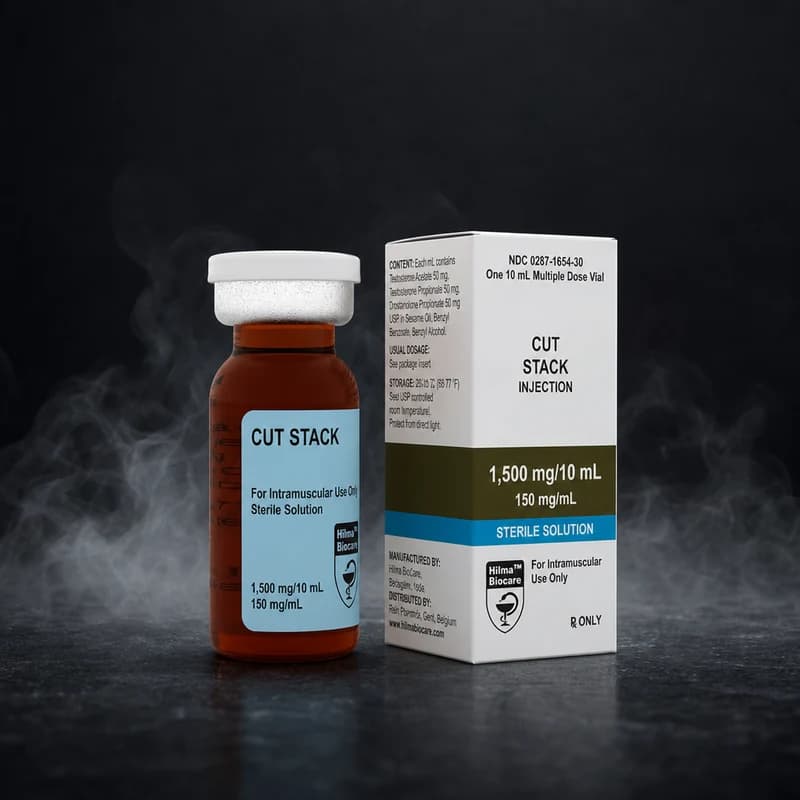
Cutaxyl 150 by Kalpa Pharmaceuticals is a three-compound short-ester injectable defined by its legal classification landscape as much as by its pharmacological profile: Testosterone Propionate 50mg/ml, Trenbolone Acetate 50mg/ml, and Drostanolone Propionate 50mg/ml are each independently controlled substances in every major jurisdiction, making regulatory awareness a prerequisite for responsible use. Kalpa Pharmaceuticals manufactures Cutaxyl 150 under GMP standards, providing batch-level documentation — HPLC chromatograms and LAL endotoxin certificates — that compliance-conscious users can reference. Each 10ml vial contains 1,500mg of total active ingredient across the three ester fractions.
Regulatory Status by Jurisdiction
All three active compounds in Cutaxyl 150 carry Schedule III classification under the US Controlled Substances Act. Trenbolone Acetate is not approved for human use by the FDA — its only sanctioned application in the United States is veterinary — placing it in a stricter practical category than Testosterone Propionate or Drostanolone Propionate, both of which are DEA-controlled but have historical human-prescription precedents. Compared to single-ester products, a tri-compound blend like Cutaxyl 150 compounds the regulatory complexity in jurisdictions that classify blends separately from individual substances. In the UK, all three compounds fall under the Misuse of Drugs Act 1971 as Class C controlled substances; in Canada, they are Schedule IV under the Controlled Drugs and Substances Act. Users in every country must independently verify current national law before sourcing or possessing this product.
PCT Design Within a Compliance Framework
Cutaxyl 150 supports structured PCT planning because all three esters clear rapidly. Testosterone Propionate, Trenbolone Acetate, and Drostanolone Propionate each carry half-lives measured in days, meaning hypothalamic-pituitary-gonadal axis recovery can begin approximately 3–5 days post-final injection — earlier than any long-ester alternative. This timeline advantage is pharmacokinetically defined: HPLC-based ester-clearance modelling confirms that short-propionate and short-acetate compounds reach sub-therapeutic plasma levels within that 3–5 day window. However, SERM availability for PCT — tamoxifen and clomiphene being the primary agents — is itself jurisdiction-dependent; in some markets, both are prescription-only, and users must account for that constraint in their protocol design before cycle commencement, not after.

 Hardcore Cutting