forgemax.FORGED. TESTED. PROVEN.
ACVR2B 10mg/vial 1 Vial by Bio-Peptide
Lab Tested

ACVR2B 10mg/vial 1 Vial by Bio-Peptide

4.5 (2 reviews)

ACE-031 (ACVR2B) is a recombinant soluble fusion protein engineered to sequester myostatin, activin A, and GDF-11 before these ligands reach membrane-bound receptors on skeletal muscle fibres, experimentally studied for its capacity to remove the principal molecular constraint on muscle fibre growth and number. Each vial contains 10 mg of lyophilised powder, positioning this compound within the TGF-β superfamily inhibition axis — a mechanistic approach distinct from androgen receptor agonism or direct GH-axis stimulation. Independent third-party laboratories perform both HPLC sequence and purity verification and LAL endotoxin screening on every batch before vials are released, with batch-specific documentation available on request.

€60.00Free shipping on orders over €300
In stock
Ships within 48 h Lab-tested batch
  • Intercepts myostatin, activin A, and GDF-11 simultaneously — broader ligand capture than single-target agents
  • Experimentally linked to skeletal muscle hyperplasia — potential formation of new fibres, not just hypertrophy
  • Decoy-receptor mechanism operates upstream of cell-surface ACVR2B — prevents ligand binding before receptor engagement
  • Lyophilised 10 mg format supports precise reconstitution and multi-dose research protocols
  • Batch-specific HPLC and LAL documentation available — traceable quality for serious research applications
  • GMP-aligned production conditions underpin manufacturing consistency across vials

Key takeaways

  • Understand ACE-031 targets myostatin, activin A, and GDF-11 simultaneously via decoy receptor mechanism.
  • Compare follistatin and ACE-031 as complementary but distinct nodes of TGF-β inhibition.
  • Recognise vascular off-target effects as the primary safety concern identified in Phase 2 trials.
  • Reconstitute with bacteriostatic water and refrigerate; use within 28 days of opening.
  • Verify batch documentation — HPLC and LAL certificates confirm purity and endotoxin safety.

ACE-031 as a Myostatin Decoy Receptor: Mechanism and Muscle Hyperplasia Potential

ACE-031 (ACVR2B) is a soluble activin receptor type IIB fusion protein that sequesters myostatin, activin A, and GDF-11 before those ligands can engage membrane-bound receptors on skeletal muscle fibres, thereby removing the principal molecular constraint on muscle fibre number and size. Unlike direct androgen receptor agonists that primarily drive hypertrophy of existing fibres, myostatin blockade at the ACVR2B level is hypothesised to permit true hyperplasia — the generation of new muscle fibres — a qualitatively different adaptation that most conventional performance compounds cannot initiate. Preclinical data in rodent models documented lean mass increases of 20–30 % within weeks of ACVR2B neutralisation (Lee & McPherron, 2001, PNAS), making this one of the most cited molecular targets in muscle biology.

Follistatin-344 vs. ACE-031: Convergent Pathways, Different Points of Intervention

Follistatin-344 and ACE-031 both suppress myostatin signalling, but they operate at distinct nodes of the same pathway. Follistatin-344 binds and neutralises myostatin protein in extracellular space; ACE-031 functions as a competitive decoy receptor, intercepting myostatin upstream of the cell surface receptor complex. Compared to follistatin-344, ACE-031 demonstrates broader ligand capture — it also sequesters activin A and GDF-11, which independently suppress muscle anabolism — potentially producing a more comprehensive anti-catabolic effect within the same TGF-β superfamily axis. Both agents are classified as experimental in human contexts, with ACE-031's only clinical-stage evaluation conducted by Acceleron Pharma in Duchenne Muscular Dystrophy trials (Phase 2, 2011–2013).

Research Context and Why These Peptides Remain Experimental

ACE-031 carries experimental status because Phase 2 human trials were halted due to adverse events including nosebleeds, gum bleeding, and telangiectasias — effects attributed to the compound's suppression of activin and GDF signalling in non-muscle vascular tissue. This vascular cross-reactivity is a consequence of ACVR2B's broad ligand specificity; myostatin is not the sole biological signal captured. Researchers studying this agent must account for off-target receptor engagement as a primary variable. Bio-Peptide's lyophilised ACE-031 is produced under GMP-aligned manufacturing conditions; HPLC analysis confirms sequence fidelity and purity, while LAL (Limulus Amebocyte Lysate) testing certifies the absence of bacterial endotoxins to injection-grade thresholds — both conducted by independent third-party laboratories with batch-specific documentation.

Usage

  1. Confirm research purpose: ACE-031 is an experimental ACVR2B decoy receptor protein; confirm your protocol falls within applicable research regulations before proceeding.
  2. Prepare the reconstitution environment: Work on a clean, alcohol-swabbed surface; gather bacteriostatic water, a 29–31 gauge insulin syringe, and the ACE-031 vial.
  3. Reconstitute the lyophilised powder: Inject 1–2 mL of bacteriostatic water slowly along the inner vial wall; swirl gently for 30–60 seconds until fully dissolved — never vortex or shake.
  4. Calculate your dose volume: Divide the total reconstituted volume by 10 mg to determine concentration per mL; draw the target dose volume into an insulin syringe.
  5. Administer subcutaneously: Pinch abdominal skin, insert the needle at 45°, and inject slowly; rotate sites with each subsequent dose to limit tissue stress.
  6. Store and log: Refrigerate the reconstituted vial at 2–8 °C immediately after use; record dose, date, and any observed responses in a research log; discard after 28 days.

Warnings

Contraindications:

ACE-031 is contraindicated in individuals with any history of coagulopathy, telangiectasia, or vascular fragility disorders. Pregnancy and breastfeeding are absolute contraindications given unknown effects on GDF/activin signalling during foetal development. Do not use alongside anticoagulants without haematological supervision.

Side Effects:

Phase 2 clinical data (Acceleron Pharma, 2011–2013) identified epistaxis, gum bleeding, and cutaneous telangiectasias as dose-related adverse events attributable to off-target activin/GDF suppression in vascular tissue. Subcutaneous injection-site reactions (erythema, mild oedema) may also occur.

Monitoring:

Research subjects should undergo baseline and periodic haematological panels including coagulation markers (PT, aPTT). Vascular symptoms — particularly mucosal bleeding or visible vessel changes — warrant immediate discontinuation. Liver enzyme panels are advisable given the compound's broad TGF-β superfamily interference.

PCT / Post-Use Considerations:

No established PCT protocol exists specific to ACE-031, as its mechanism does not directly suppress the HPG axis. However, a structured washout period of at least 4–8 weeks is recommended to allow ACVR2B ligand levels to normalise and to assess whether any vascular or haematological changes resolve.

Frequently asked questions

What does follistatin block in the body compared to ACE-031?
Follistatin-344 binds and neutralises myostatin protein directly in extracellular space, preventing it from reaching any receptor. ACE-031 acts as a decoy receptor, intercepting myostatin, activin A, and GDF-11 before they bind membrane ACVR2B. The key difference is breadth: ACE-031 captures a wider set of TGF-β superfamily ligands, whereas follistatin-344 is more selective for myostatin and related proteins.
How significant is the muscle-growth effect of myostatin inhibition with ACVR2B?
Preclinical rodent studies using ACVR2B neutralisation documented lean mass gains of 20–30 % within several weeks (Lee & McPherron, 2001, PNAS) — among the largest pharmacologically induced increases recorded in muscle biology research. In human Duchenne Muscular Dystrophy trials (Acceleron Pharma, Phase 2), lean mass increases were observed but the trial was discontinued before efficacy endpoints were fully evaluated in healthy subjects.
Why are myostatin-blocking peptides like ACE-031 still considered experimental?
ACE-031's Phase 2 clinical trial was halted after participants reported bleeding-related adverse events — nosebleeds, gum bleeding, and telangiectasias — linked to off-target suppression of activin and GDF signalling in vascular tissue. Because ACVR2B is expressed beyond skeletal muscle, broad ligand capture by ACE-031 affects vascular homeostasis. This off-target profile means no approved human therapeutic application currently exists, and the compound remains a research-only agent.
How is ACE-031 10mg vial reconstituted and stored after opening?
Reconstitute the lyophilised powder by injecting 1–2 mL of bacteriostatic water slowly along the vial wall — do not shake; swirl gently. Once reconstituted, store the vial at 2–8 °C (standard refrigerator) and use within 28 days. Draw doses using an insulin syringe to achieve precise micro-volume accuracy. Never freeze a reconstituted vial; freeze only the dry, unreconstituted powder if long-term storage is required.
What injection technique is recommended for insulin-syringe dosing of ACE-031?
A 29–31 gauge insulin syringe is standard for ACE-031 research protocols, enabling sub-milligram dose accuracy. Subcutaneous administration into the abdominal pinch is the most commonly documented route in peptide research contexts. Rotate injection sites with each dose to minimise localised irritation. Wipe the vial septum with an alcohol swab before each draw, and allow refrigerated solution to approach room temperature before injection to reduce discomfort. (2) angle_used

Manufacturer

When Bio-Peptide's founders structured the company's release criteria, they made a decision that distinguished their operational model from the majority of European research-peptide producers: every batch — regardless of compound complexity — would clear two externally commissioned laboratory analyses before a single vial could be labelled or distributed. That requirement was written into the workflow as a precondition, not a post-market option. For ACE-031, a recombinant fusion protein with a more complex molecular architecture than most single-chain peptides, that two-checkpoint framework carries particular weight. The first checkpoint is HPLC (High-Performance Liquid Chromatography) analysis, commissioned from an independent laboratory and tasked with confirming the fusion protein's molecular sequence fidelity alongside an acceptable purity percentage for the specific batch. The second is a LAL (Limulus Amebocyte Lysate) endotoxin assay, certifying that bacterial endotoxin levels fall within injection-grade safety thresholds — a standard that matters acutely for a compound intended for parenteral research use. Both analyses generate batch-specific documentation that travels with the product. This structure reflects the founding philosophy Bio-Peptide applied from the outset: that the credibility of a research supplier rests not on catalogue breadth, but on the verifiability of what is inside each vial.

Product details

BrandBio-Peptide
Active ingredientace-031
Also known asACE-031, Myostatin-Inhibitor, ACVR2B, ACVR2B (ACE-031), Bio-Peptide ACE-031
Strength10 mg
FormVial
Pack size1 piece
Item numberPEPT-ACE-BIO-001

Reviews

4.5/5

2 reviews

  • Rating: 5 out of 5 starsEthan76Verified purchase

    Genuinely surprised me

    Been running this at 1mg/kg bodyweight for 6 weeks alongside a clean bulk. Scale went from 89kg to 96kg and strength shot up noticeably around week 3. Recovery between sessions is night and day. Packaging was discreet, arrived in 9 days. Bio-Peptide vials always seem legit, lyophilised cake looked perfect. Will reorder without hesitation

  • Rating: 4 out of 5 starstitanium35Verified purchase

    Good product, pricey though

    solid results over 8 wks, put on about 5kg of lean mass and my grip strength in particular went mental. Only gripe is the cost per vial adds up quick when you're dosing properly. That aside, reconstituted clean, no floaties, and shipping was fast and discrete. Would buy agian when funds allow

Write a review

Your rating *

Your review will be checked before publication.

Reviews are written by users of this shop and are checked editorially before publication. Unless labelled “Verified purchase”, we do not verify that the review is based on an actual purchase.

Similar products

ACVR2B (ACE-031)Pharma Grade

ACVR2B 10mg/vial 1 Vial by Master Pharma

€60.00

Stack it with

Pairs well with these products.

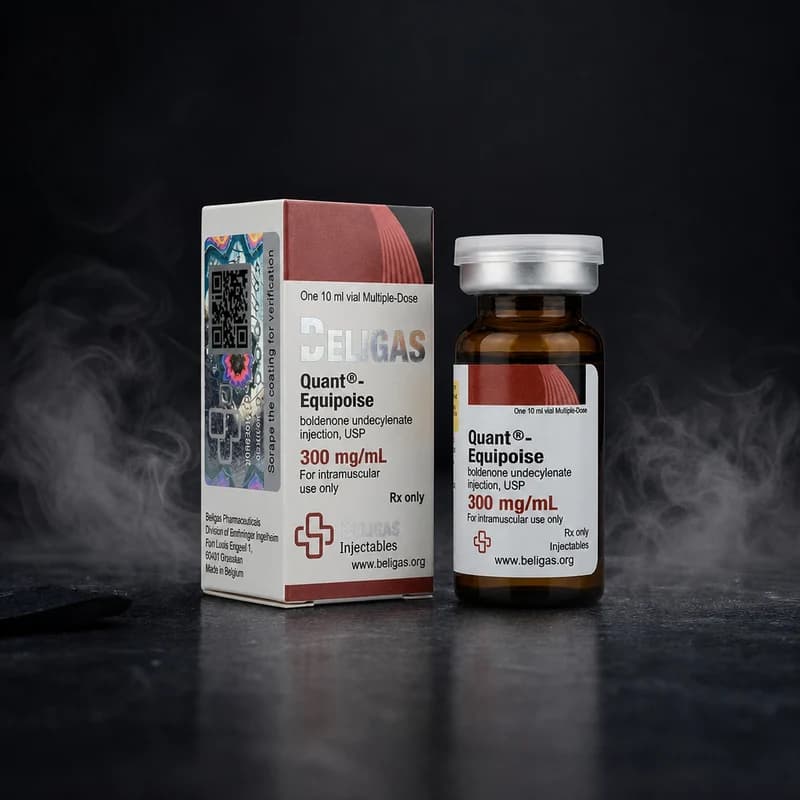
Quant-Equipoise 300mg/ml 10ml Vial by Beligas PharmaceuticalsHigh Concentration

Quant-Equipoise 300mg/ml 10ml Vial by Beligas Pharmaceuticals

€47.00
Bolden-250 250mg/ml 10x1ml Ampoules by BM PharmaceuticalsLong-Acting Formula

Bolden-250 250mg/ml 10x1ml Ampullen by BM Pharmaceuticals

€48.00
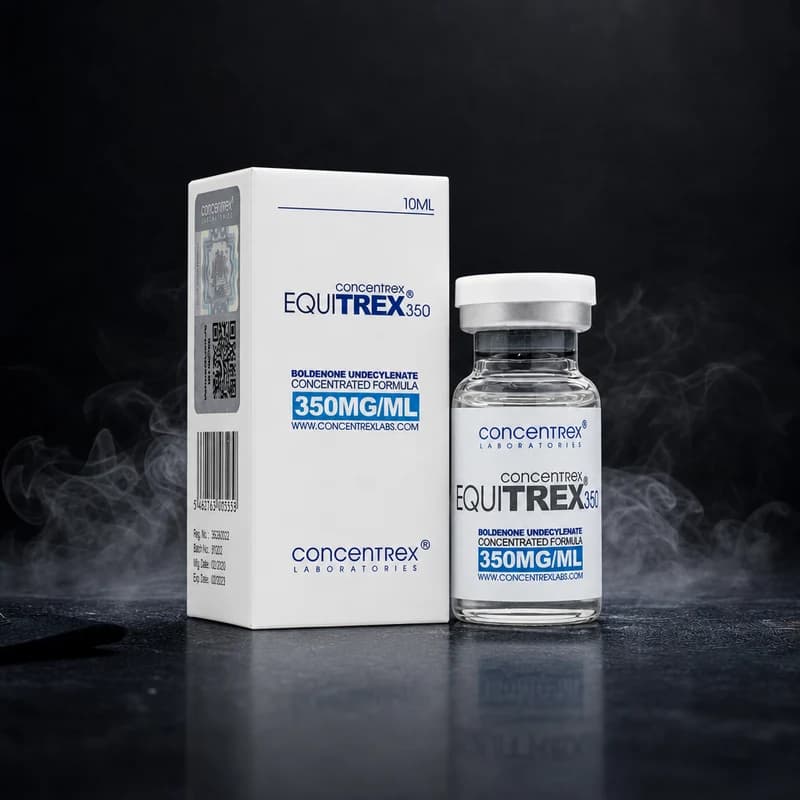
EquiTrex 350mg/ml 10ml Vial by Concentrex LabsBrand Quality

EquiTrex 350mg/ml 10ml Vial by Concentrex Labs

€52.00
EQ 300 300mg/ml 10ml Vial by Dragon-PharmaPro Choice

EQ 300 300mg/ml 10ml Vial by Dragon-Pharma

€44.00