Semaglutide & GLP-1 in Bodybuilding: Cutting Without Losing Muscle
Semaglutide makes holding a caloric deficit dramatically easier — but up to 40% of the weight lost can be lean mass. Learn how dosing, titration, high protein, and resistance training protect muscle on a GLP-1 cut.
Semaglutide & GLP-1 in Bodybuilding: Cutting Without Losing Muscle
TL;DR
- Semaglutide is a GLP-1 receptor agonist with a half-life of roughly one week, dosed as a single subcutaneous injection every seven days, starting low and titrating up over months.
- In clinical trials it produces 10–15% body-weight loss over a year or more — primarily by suppressing appetite, which makes holding a caloric deficit far easier during a cut.
- The central problem for lifters: 25–40% of the weight lost on GLP-1 agonists can be lean mass, so muscle retention has to be engineered deliberately through high protein intake and continued resistance training.
- Standard titration runs 0.25 mg weekly for four weeks, stepping up every four weeks toward a maintenance dose — faster escalation mostly buys nausea, not extra fat loss.
- Side effects are dominated by GI complaints (nausea, vomiting, diarrhoea, constipation); rarer but serious risks include pancreatitis, gallbladder disease, and gastroparesis.
- Semaglutide is a peptide for appetite control, not a fat burner — it does nothing to preserve muscle on its own, and it carries real contraindications that rule some people out entirely.
What Semaglutide and GLP-1 Agonists Are
Semaglutide is a synthetic analogue of glucagon-like peptide-1, a gut hormone released after eating that signals satiety to the brain, slows gastric emptying, and stimulates insulin secretion in a glucose-dependent manner. The native hormone lasts minutes in circulation; semaglutide has been chemically modified — an amino acid substitution plus a fatty acid side chain that binds albumin — to extend its half-life to approximately seven days. That is what makes once-weekly subcutaneous dosing practical.
It was developed and approved as a treatment for type 2 diabetes (at doses up to 1 mg weekly) and subsequently for chronic weight management (at doses up to 2.4 mg weekly). In the large STEP trial programme, participants without diabetes lost on average around 15% of body weight over 68 weeks at the 2.4 mg dose — a magnitude of effect that no previous appetite-modulating drug had approached, and the reason the entire GLP-1 class has spilled over into physique sports.
The mechanism matters for understanding both its power and its limits. Semaglutide does not increase energy expenditure, mobilise fat directly, or touch androgen or thyroid pathways. It makes you eat less by reducing hunger and food reward, and by making large meals physically uncomfortable through slowed gastric emptying. Every gram of fat lost still comes from a caloric deficit — the drug simply makes the deficit tolerable, which for most people is the actual bottleneck of a long cut.
Why Bodybuilders Use It on a Cut
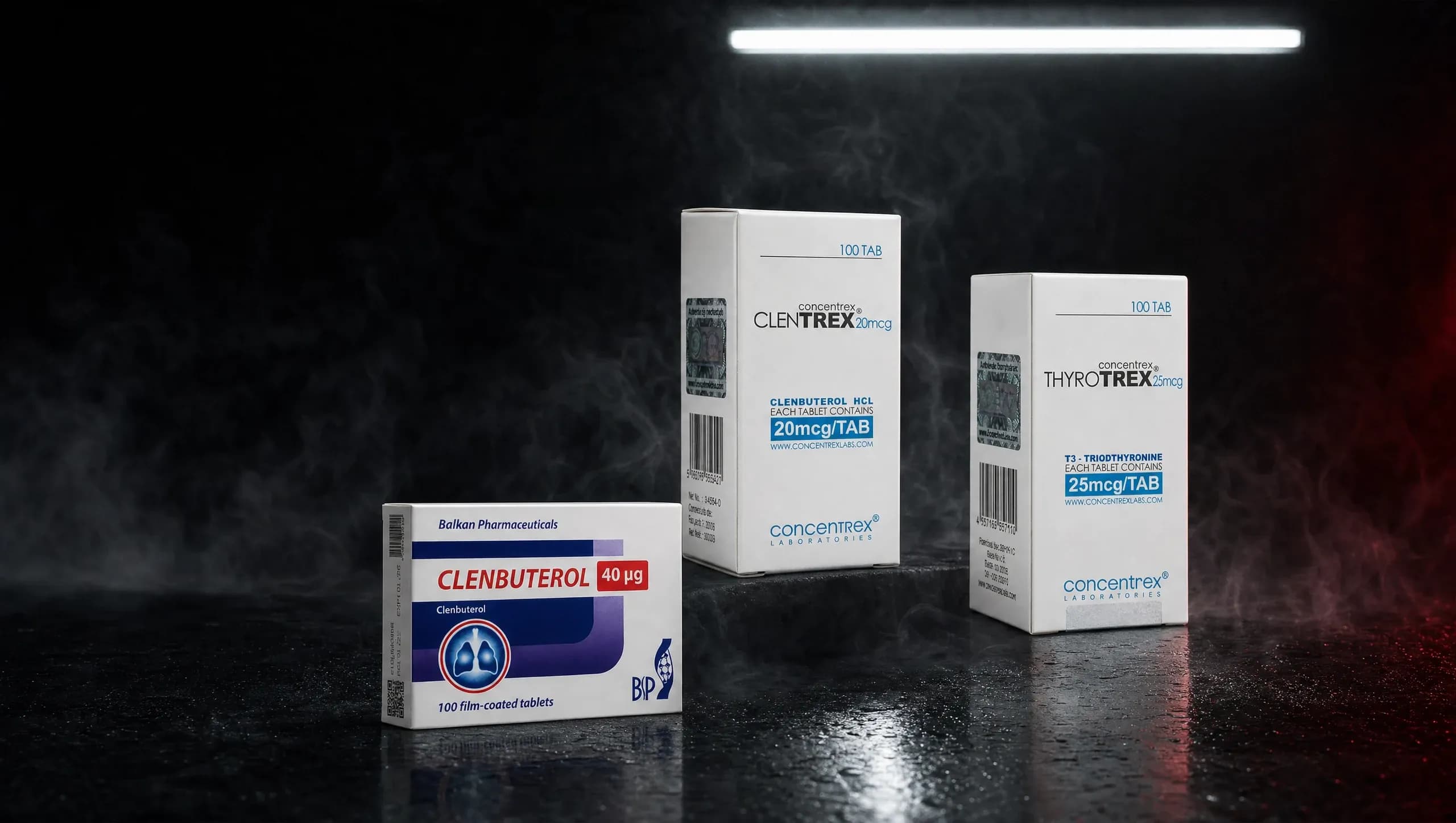
Traditional contest-prep pharmacology attacks fat loss from the expenditure side: stimulants, thyroid hormone, clenbuterol, DNP in the reckless corner. Semaglutide comes from the opposite direction — intake suppression — and that gives it a distinct profile of advantages and drawbacks.
The advantages are real. There is no cardiovascular stimulant load: no elevated heart rate, no blood pressure spike from adrenergic drive, no sleep disruption or jitters. Appetite suppression during deep dieting is profound — users consistently report that food simply stops occupying their thoughts, which removes the willpower war that breaks most preps in weeks 8–12. And because insulin secretion is glucose-dependent, hypoglycaemia risk is low in non-diabetic users who are not combining it with insulin or insulin secretagogues.
The drawbacks are equally real. Slowed gastric emptying collides with the bodybuilding eating pattern: large protein meals, high food volume, pre- and post-workout nutrition all become harder to get down. Nausea around training is common at higher doses. And the lean-mass problem is significant — body-composition sub-analyses of the semaglutide trials found that roughly 25–40% of total weight lost was lean mass, which is acceptable for a sedentary patient with obesity and unacceptable for a lifter whose entire sport is lean mass.
That last point is where most recreational users go wrong: they treat semaglutide as the cut, rather than as an appetite tool inside a cut that still has to be programmed. The same muscle-retention logic applies across the whole GLP-1 class — the newer multi-agonist compounds raise the stakes further, as discussed in Retatrutide In Bodybuilding Stop Muscle Loss On A GLP 1 CUT.
Dosage and Titration Protocol
Semaglutide is dosed once weekly by subcutaneous injection (abdomen, thigh, or upper arm), on the same day each week, with or without food. The defining feature of the protocol is slow titration — not because low doses are useless, but because GI tolerability is dose-dependent and escalating too fast is the single most common reason people abandon the drug.
The clinical titration schedule, which performance users generally follow:
Phase | Weeks | Weekly dose | Purpose |
|---|---|---|---|
Initiation | 1–4 | 0.25 mg | Adaptation; the 0.25 mg dose is for tolerability, not weight loss |
Step 1 | 5–8 | 0.5 mg | First therapeutically active dose for most users |
Step 2 | 9–12 | 1.0 mg | Escalate only if needed and tolerated |
Step 3 | 13–16 | 1.7 mg | Optional intermediate step |
Maintenance | 17+ | 1.7–2.4 mg | Highest approved dose; many physique users never need it |
Several practical principles govern the process. Stay at each step a minimum of four weeks; if a dose produces adequate appetite suppression and steady fat loss, there is no reason to escalate — the correct dose is the lowest one that works, because side effects, cost, and lean-mass risk all scale upward. If a step causes persistent nausea, drop back to the previous dose for another four weeks rather than pushing through. And do not front-load: taking 1 mg as a first dose is a reliable way to spend three days vomiting and learn nothing useful.
Because of the week-long half-life, blood levels accumulate over four to five weeks to steady state, and effects — good and bad — persist for two to four weeks after the last injection. Missed doses by a few days are trivial; gaps of several weeks mean re-titrating from a lower dose.
Keeping Muscle While the Weight Comes Off
This is the section that determines whether semaglutide works for a bodybuilder or against one. Lean-mass loss on GLP-1 agonists is not primarily a drug-specific catabolic effect — it is the predictable consequence of rapid weight loss with low protein intake and reduced training performance. All three levers are controllable.
Protein intake becomes the hard constraint. When appetite is blunted, the foods people drop first are protein-dense meals, because they are the most satiating and the hardest to eat. That is exactly backwards. Target 1.8–2.4 g of protein per kilogram of body weight per day, and treat hitting it as the non-negotiable task of the cut. Liquid calories help: whey isolate, casein, and milk-based shakes go down when solid food does not. Eat protein first in every meal, before vegetables and starches fill the limited gastric capacity the drug leaves you.
Training is the second lever, and it must not become cardio. Resistance training is the strongest known signal for lean-mass retention during energy deficit, and it has to continue at full intensity even as performance dips. Keep the heavy compound work, accept that top-end strength may soften in a deep deficit, and do not replace lifting sessions with extra cardio to "speed things up" — faster weight loss on semaglutide almost always means a worse lean-to-fat loss ratio.
Rate of loss is the third lever. Aim for roughly 0.5–0.75% of body weight per week, not the 1.5–2% weekly drops that aggressive semaglutide dosing can produce. If the scale is falling faster than that, the fix is eating more, not celebrating. A useful rule: if your training numbers are collapsing week over week, the deficit is too deep regardless of what the mirror says. Many lifters integrate semaglutide as one component within a broader fat-loss phase rather than as the whole strategy — the framework for structuring that kind of phase is laid out in Best Cutting Cycle.
Side Effects and Risks
Semaglutide's side-effect profile is well characterised from large trial programmes, and honesty about it matters more here than for most compounds discussed on this site:
- Gastrointestinal effects dominate: nausea (the most common, affecting a large share of users during titration), vomiting, diarrhoea, constipation, bloating, and reflux. These are dose-dependent, worst in the first days after an injection and after dose increases, and the main reason for the slow titration schedule.
- Gastroparesis and ileus: severely slowed gastric emptying is reported beyond the intended pharmacological effect in some users. Persistent vomiting, inability to keep liquids down, or severe abdominal distension are stop-and-seek-care signals, not things to push through.
- Pancreatitis: rare but documented. Severe, persistent abdominal pain radiating to the back warrants immediate medical evaluation and discontinuation.
- Gallbladder disease: rapid weight loss of any kind raises gallstone risk; semaglutide adds a modest increase in gallbladder events on top.
- Hypoglycaemia: low risk alone, but real when combined with insulin or sulphonylureas — relevant for anyone running insulin in a physique context, where carbohydrate intake and insulin dosing both need downward adjustment.
- Lean-mass and performance loss: covered above; under unmanaged conditions this is not a side effect but a near-guarantee.
- Thyroid C-cell tumours in rodents: semaglutide caused thyroid C-cell tumours in rodent studies at high exposures; relevance to humans is unproven, but the drug is contraindicated in anyone with a personal or family history of medullary thyroid carcinoma or MEN2.
- Dehydration and electrolyte disturbance: usually secondary to vomiting or diarrhoea, and easy to underestimate on high doses in hard-training athletes who sweat heavily.
Absolute contraindications include personal or family history of medullary thyroid carcinoma, MEN2, prior pancreatitis, and pregnancy. A history of severe GI motility disorders is a strong argument against use. Anyone combining it with insulin, orals that affect blood glucose, or other appetite suppressants should be doing so with medical oversight, not guesswork.
Monitoring, Sourcing, and Practical Notes
Semaglutide's monitoring needs are less elaborate than an anabolic cycle's, but "less" is not "none." The useful baseline and periodic checks:
- Body weight weekly, waist measurement fortnightly, and ideally body composition (DEXA or at least consistent skinfolds/impedance trends) every 8–12 weeks — the scale alone cannot tell you whether the loss is fat or muscle.
- Fasting glucose and HbA1c at baseline — cheap, and catches undiagnosed glucose dysfunction before you add a glucose-lowering drug to it.
- Lipase/amylase if abdominal symptoms appear, and liver panel plus lipids as part of any general prep bloodwork — lipids typically improve with fat loss, which is one of the genuine health upsides.
- Blood pressure and resting heart rate — a modest heart-rate increase (a few beats per minute) is a documented class effect worth tracking.
- Training log — your strength numbers are the earliest lean-mass alarm you own.
On sourcing: the grey market is flooded with underdosed, mislabelled, and outright fake GLP-1 peptides, and "research chemical" semaglutide of unknown purity is a different risk proposition than a pharmacy-grade product. For those sourcing through the shop, Semaglutide 10mg/10ml 1 Vial by Swiss Pharma is supplied as a 10 mg/10 ml vial for reconstitution, which at a 0.25–0.5 mg starting dose covers the full titration phase of a cut; the wider range of related compounds is grouped in the Weight Loss category. With a 10 mg vial, do the dilution maths carefully — dosing errors of tenfold are easy with insulin syringes and concentrated peptide solutions, and semaglutide overdoses produce days of severe vomiting.
Two final practical points. First, refrigerate reconstituted peptide, use sterile technique, and do not push a vial beyond sensible use-by windows. Second, plan the exit: appetite returns within a few weeks of the last injection as the drug clears, and the post-cut rebound is when most of the lost weight is regained by people who never rebuilt normal eating structure. The drug buys you the deficit; only habits keep the result.
FAQ
Will semaglutide make me lose muscle even if I train hard?
Training hard is necessary but not sufficient. Lean-mass loss on semaglutide tracks mainly with protein intake and rate of weight loss: if calories crash because appetite disappears and protein drops with them, muscle goes regardless of training. Keep protein at 1.8–2.4 g/kg, keep lifting heavy, cap weight loss around 0.5–0.75% of body weight per week, and monitor strength as an early warning. Managed that way, muscle loss can be minimised to roughly what a well-run natural cut produces.
How long does semaglutide take to work for fat loss?
Appetite suppression is often noticeable within the first one to two weeks, even at the 0.25 mg initiation dose. Visible fat loss follows over weeks to months and depends entirely on the caloric deficit you actually maintain. Because of the week-long half-life and the four-week-per-step titration, full effect at a maintenance dose is a three-to-four-month proposition. Semaglutide is a slow, marathon-style tool — the opposite of a two-week stimulant blast.
Can I combine semaglutide with anabolic steroids during a cut?
Physically, many enhanced lifters do, and there is no direct pharmacological clash — GLP-1 agonists and androgens act on unrelated pathways. The practical issue is food intake: a cut on-cycle still requires sufficient protein and calories to hold tissue, and strong appetite suppression can make eating enough to support the cycle genuinely difficult. The combination with insulin is the dangerous one, because semaglutide lowers glucose and raises hypoglycaemia risk substantially.
What happens when I stop taking it?
Appetite returns progressively over roughly two to four weeks as the drug clears, and clinical data show that without maintained dietary structure, a substantial share of lost weight is regained within a year. The transition off semaglutide is therefore the highest-risk phase of the whole protocol. Reverse into maintenance calories gradually, keep protein high, keep training, and expect to actively manage hunger that will feel intense after months of pharmaceutical suppression.
Is semaglutide better than clenbuterol for cutting?
They do different jobs. Clenbuterol raises energy expenditure modestly through beta-2 stimulation, with cardiovascular costs — tachycardia, blood pressure, cramps, and diminishing returns within weeks. Semaglutide suppresses intake, with GI costs, and works for as long as you take it. For appetite-driven eaters in a long deficit, semaglutide addresses the bigger problem; for short, sharp prep phases, stimulants act faster. Neither preserves muscle — that job belongs to protein and training.
Conclusion
Semaglutide has earned its place in cutting protocols because it solves the problem that actually ends most diets: hunger. Used properly — once-weekly dosing, four-week titration steps starting at 0.25 mg, the lowest effective maintenance dose, protein held at 1.8–2.4 g/kg, heavy training preserved, and weight loss capped at a sane weekly rate — it can make a long deficit dramatically more liveable without the cardiovascular load of stimulant-based approaches. Used carelessly, it is a muscle-loss machine: aggressive dosing, collapsed food intake, and abandoned training will strip lean tissue exactly as the clinical data predict. It is not appropriate for anyone with a personal or family history of medullary thyroid carcinoma or MEN2, prior pancreatitis, severe GI motility disorders, or pregnancy — and anyone combining it with insulin or glucose-lowering drugs needs medical supervision, full stop. Get baseline bloodwork, track body composition rather than just the scale, treat your training log as a lean-mass alarm, and plan the exit before you start. The compound controls appetite; everything that determines whether you keep your muscle is still on you.