Tadalafil vs. Sildenafil: What the Pharmacokinetic Data Actually Show
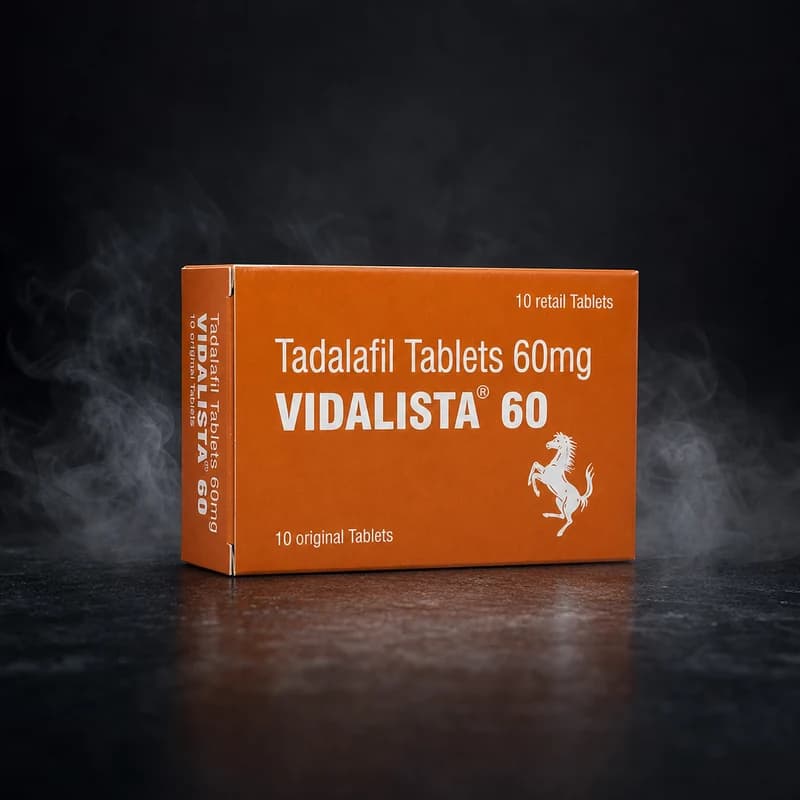
Vikalis VX 60 contains Tadalafil at 60 mg per tablet — the higher-strength oral solid dosage form that makes the mechanistic and clinical distinction between Tadalafil and Sildenafil most tangible. Both compounds inhibit phosphodiesterase type 5, preventing the enzymatic breakdown of cyclic guanosine monophosphate (cGMP) in smooth muscle tissue, yet their pharmacokinetic fingerprints diverge substantially in ways that matter to the end user.
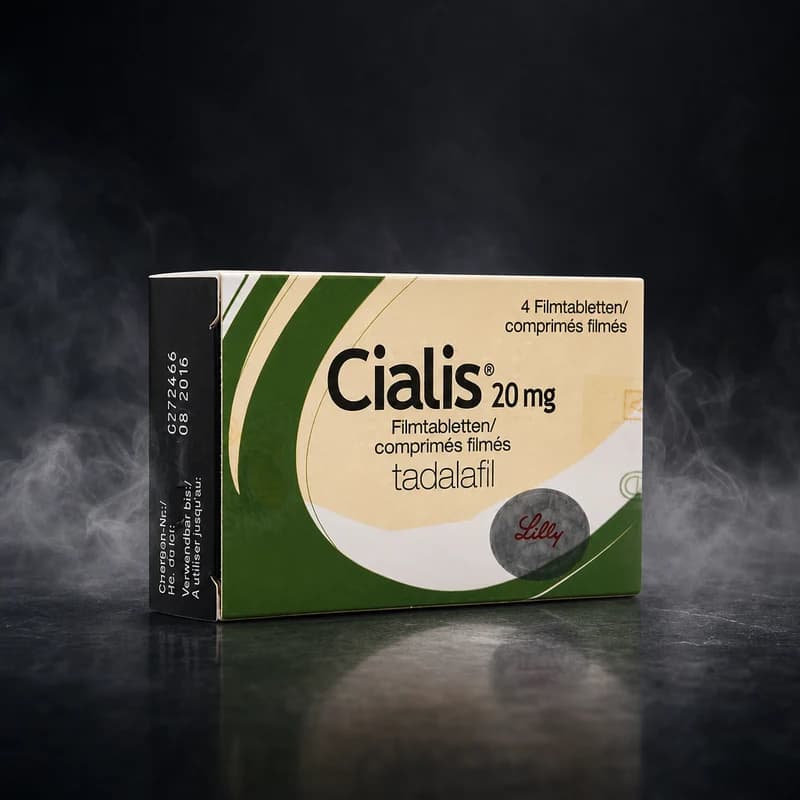
Tadalafil reaches median peak plasma concentration (Tmax) roughly 2 hours post-dose, compared to Sildenafil's Tmax of approximately 60 minutes under fasted conditions — meaning Sildenafil acts faster but is meaningfully slowed by a high-fat meal (absorption reduced by ~29% and delayed by ~60 min per FDA label data), whereas Tadalafil's bioavailability is essentially food-independent. Tadalafil carries a published elimination half-life of approximately 17.5 hours versus Sildenafil's 3–5 hours, a difference that directly governs how long each agent remains pharmacologically relevant after dosing.
Duration, Selectivity and the 60 mg Dose in Context
Sildenafil is selective for PDE5 but also inhibits PDE6 — located in retinal photoreceptors — which accounts for the transient visual-disturbance side effects (blue-tinge perception, light sensitivity) reported in some users. Tadalafil shows a comparatively weaker PDE6 affinity and instead cross-inhibits PDE11, an enzyme expressed in skeletal muscle and testicular tissue; at therapeutic doses the clinical significance of PDE11 inhibition remains under investigation, but it distinguishes the two molecules at the selectivity level. Vikalis VX 60 supplies the 60 mg strength — a dose tier positioned above the standard 20 mg ceiling, enabling flexible tablet splitting while starting from a higher active-ingredient base.
Batch Testing and Manufacturing Standards
Shree Venkatesh manufactures Vikalis VX 60 tablets under WHO-GMP certification at its Nagpur-based solid-dosage production site. Content uniformity is verified by HPLC on every released batch, with acceptance limits aligned to Ph. Eur. monograph requirements; dissolution profiling follows USP Apparatus II methodology. Residual endotoxin load is assessed via LAL (Limulus Amebocyte Lysate) testing applied to aqueous process intermediates, adding a layer of safety verification not universally applied to non-injectable oral solid forms. Each tablet pack carries a batch number traceable to the corresponding certificate of analysis.

 Pharma Grade