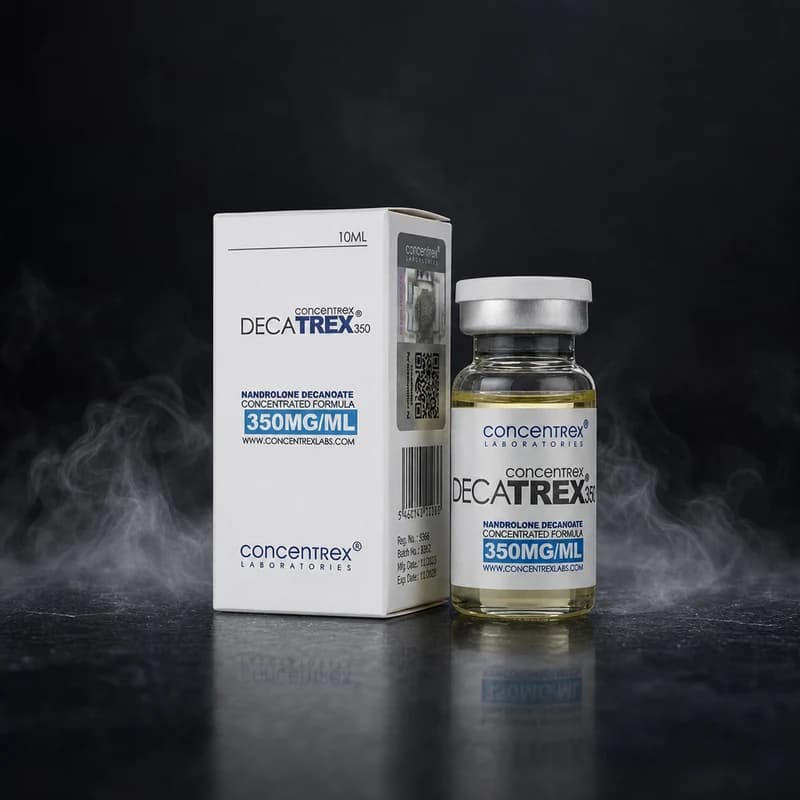
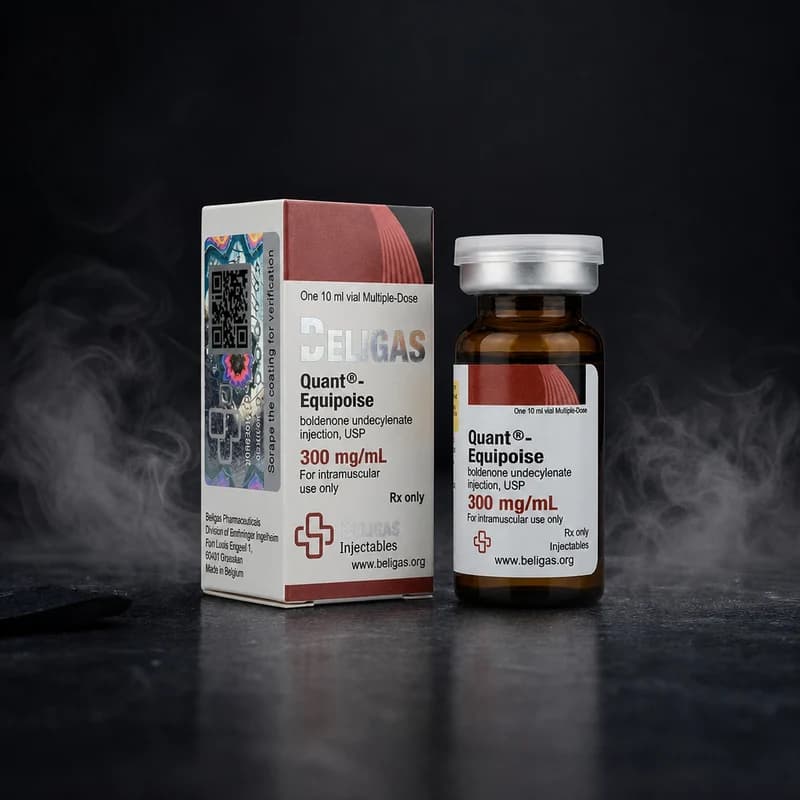
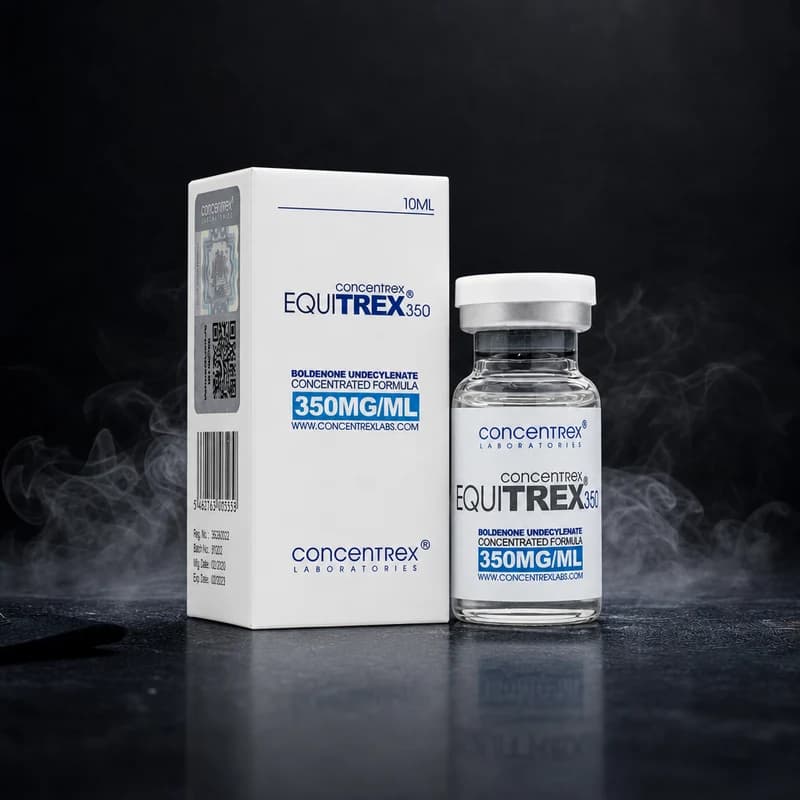
Contraindications: Not for use in individuals with prostate or breast carcinoma, severe hepatic impairment, hypercalcaemia, or known hypersensitivity to nandrolone or sesame/arachis oil carriers. Women of childbearing potential should avoid use due to virilisation risk. Adolescents with open epiphyseal plates must not use androgenic compounds.
Side Effects: Androgenic effects — including acne, accelerated scalp hair recession, and body hair changes — may occur even at low doses due to partial 5α-reduction to dihydronandrolone. Cardiovascular effects include unfavourable shifts in HDL/LDL ratios and potential left ventricular adaptations with prolonged use. Elevated serum prolactin, a class effect of 19-nor compounds, warrants monitoring; a dopamine agonist (e.g., cabergoline) may be required. Mood changes and libido fluctuation are common, particularly during the desensitization phase of longer cycles.
Monitoring: Baseline and mid-cycle bloodwork should include: full lipid panel, haematocrit, serum prolactin, LH/FSH, and total/free testosterone. Prolactin should be re-checked at week 6 and at cycle end. Liver enzyme panels (ALT, AST) are advisable despite low hepatotoxicity risk for injectable preparations. Blood pressure monitoring every two weeks is recommended.
PCT: Initiate PCT no earlier than three weeks after the final injection to account for the extended depot clearance of the decanoate ester. A standard PCT protocol includes Nolvadex (tamoxifen) at 40 mg/day for weeks 1–2, then 20 mg/day for weeks 3–4, with Clomid optional for HPTA recovery support. If prolactin elevation was present during the cycle, continue cabergoline at 0.25 mg twice weekly into the first two weeks of PCT.

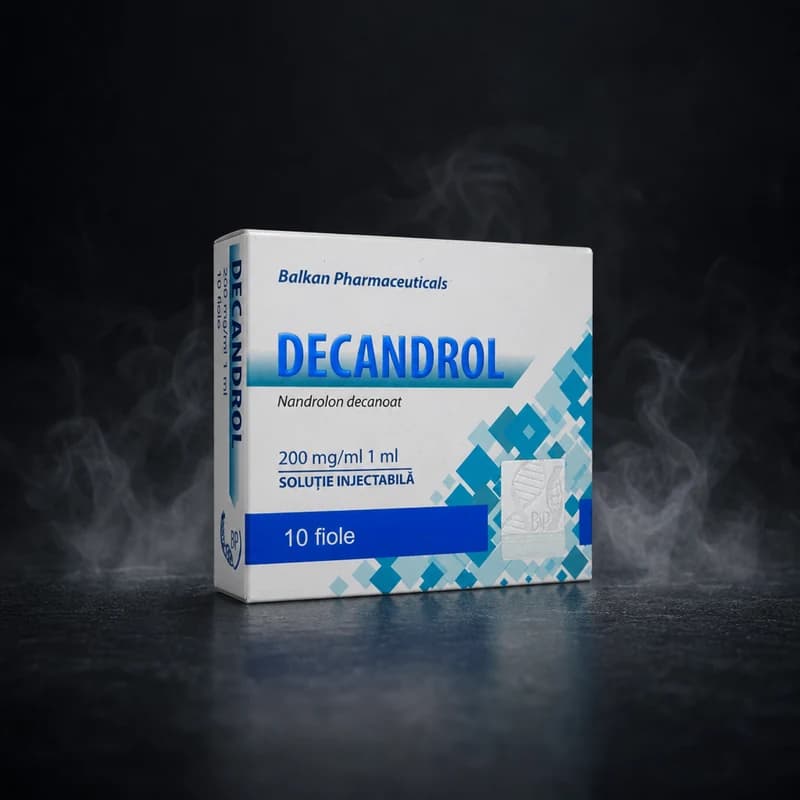 Established Brand