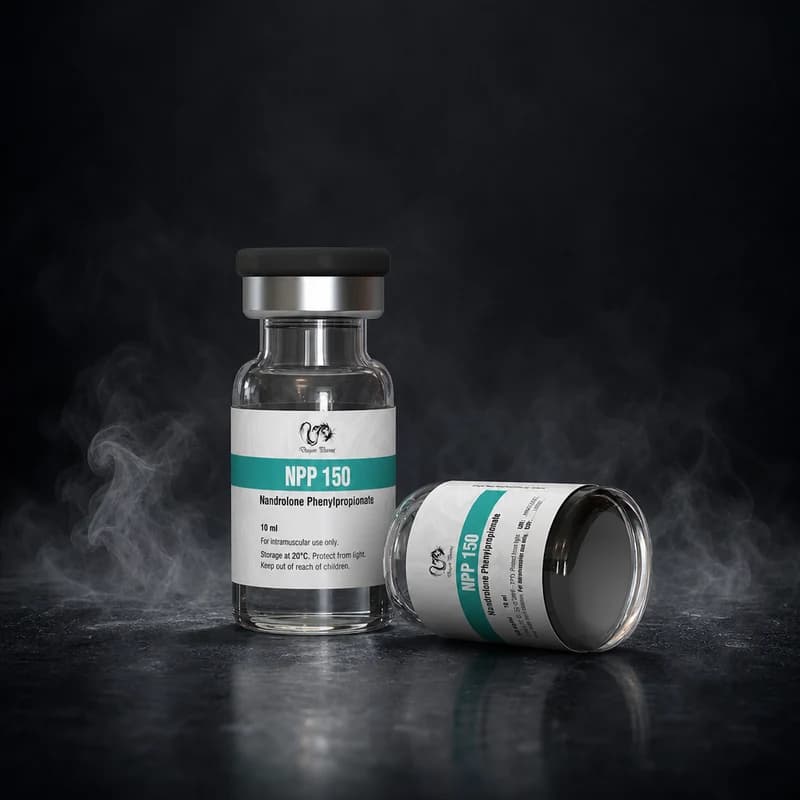
Contraindications: Nandro F is contraindicated in individuals with existing prostate or breast carcinoma, severe hepatic or renal impairment, uncontrolled hyperlipidaemia, or a history of thromboembolic events. Women of childbearing potential should not use this compound due to virilisation risk. Individuals currently prescribed hypoglycaemic agents or insulin therapy require additional caution given nandrolone's influence on glucose metabolism.
Side Effects: Potential adverse effects include androgenic suppression of endogenous testosterone production, elevated haematocrit, progestogenic activity that may potentiate prolactin-related effects, and alteration of HDL/LDL lipid ratios. Metabolic effects on insulin sensitivity, while generally favourable in trained users, may create hypoglycaemic risk in individuals with high carbohydrate intake and low body fat who do not adjust dietary strategy accordingly.
Monitoring: Regular blood work is recommended: full lipid panel and haematocrit every 6–8 weeks, liver enzyme assessment at cycle midpoint, and fasting glucose plus HbA1c if the cycle exceeds 10 weeks. Blood pressure should be checked biweekly given potential increases in red blood cell mass. Prolactin should be measured at the 4-week mark, particularly when stacking with other 19-nor compounds.
PCT: Post-cycle therapy should commence after sufficient clearance time for the phenylpropionate ester. A standard SERM-based protocol — clomiphene citrate or tamoxifen — for 4–6 weeks is recommended. Prolactin management with a dopamine agonist may be required depending on mid-cycle monitoring results. Do not extend the cycle beyond 12 weeks without re-evaluating full bloodwork.

 Fast Acting