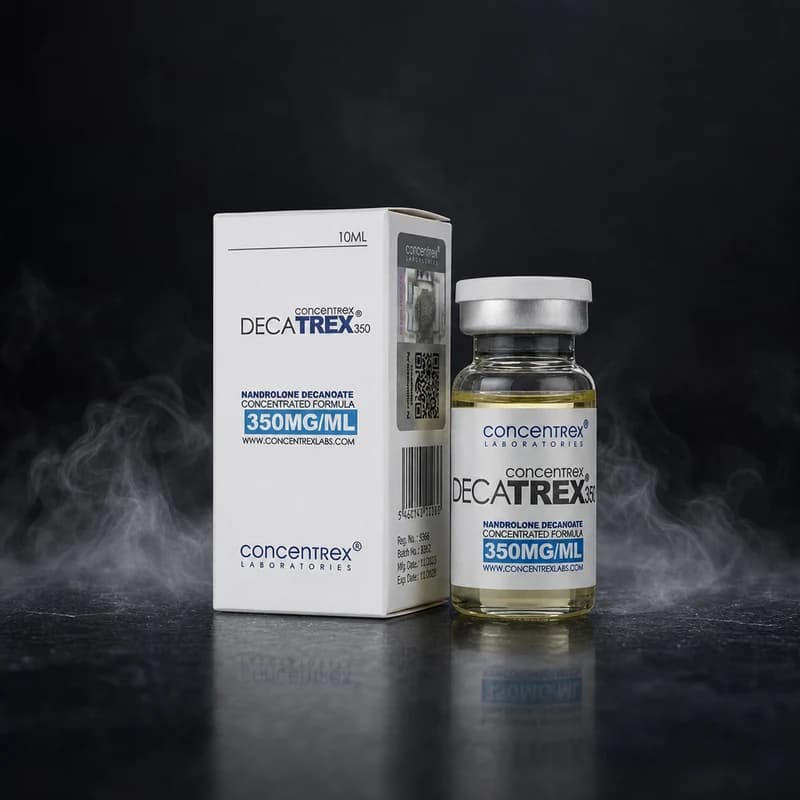
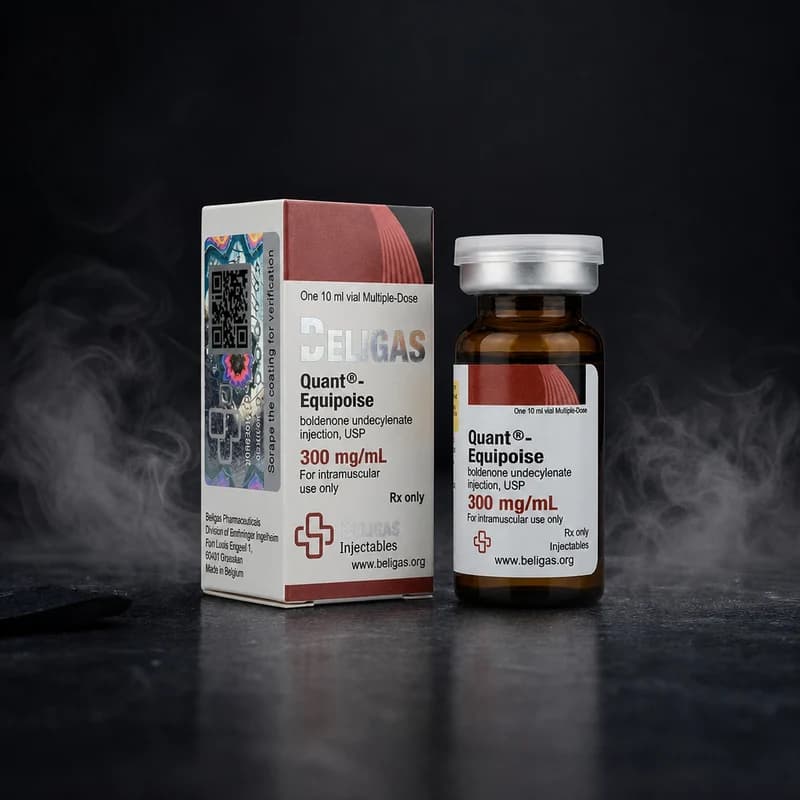
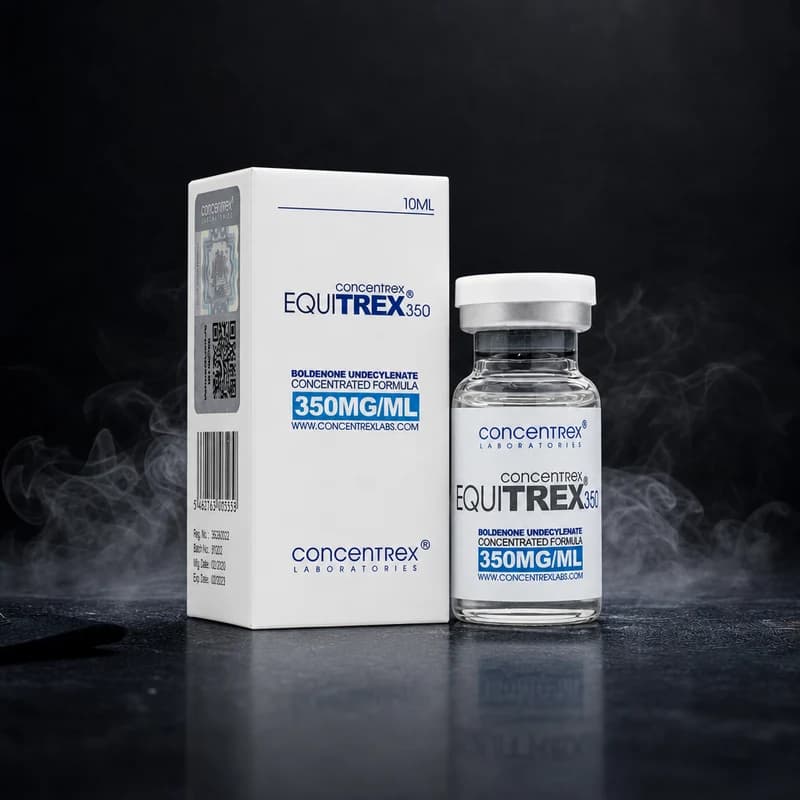
Contraindications: Nandro D is contraindicated in individuals with known hypersensitivity to Nandrolone Decanoate or any carrier-oil excipient. It must not be used by individuals with active or suspected androgen-sensitive carcinoma, severe hepatic impairment, untreated polycythaemia, or during pregnancy and lactation. Female athletes should assess virilisation risk individually before commencing any Nandrolone Decanoate protocol.
Side Effects: Reported adverse effects include dose-dependent suppression of endogenous testosterone production, elevation of serum prolactin (characteristic of 19-nor compounds), fluid retention particularly around joints, and androgenic effects such as acne or accelerated scalp hair thinning in genetically predisposed individuals. Cardiovascular risk markers — including haematocrit, LDL, and HDL — should be monitored throughout the cycle.
Monitoring: Pre-cycle baseline bloodwork should include full hormonal panel (LH, FSH, total testosterone, prolactin, estradiol), lipid profile, haematocrit, liver enzymes, and blood pressure. Repeat panels at the cycle midpoint and at four weeks post-final injection. Cabergoline or bromocriptine should be on hand to manage prolactin elevation if serum values trend above the laboratory reference range during monitoring.
PCT: Begin post-cycle therapy no sooner than three weeks after the last Nandro D injection to allow sufficient plasma clearance of the decanoate ester. A standard SERM-based PCT (Nolvadex or Clomid) lasting four to six weeks supports HPTA recovery. Bloodwork at eight weeks post-PCT confirms whether endogenous testosterone and gonadotropin levels have returned to pre-cycle baseline before any subsequent protocol is considered.

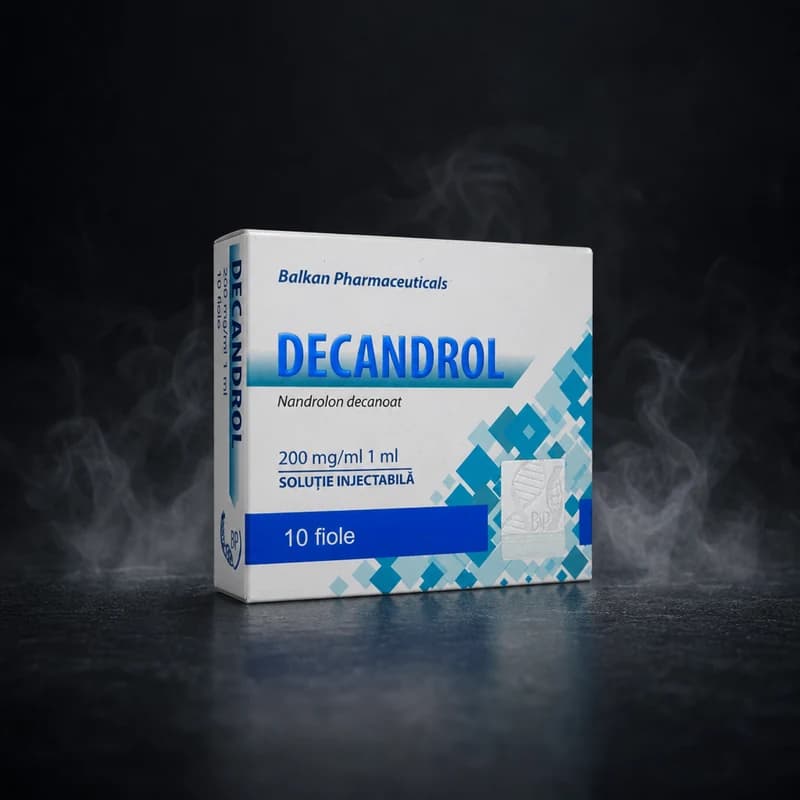 Established Brand