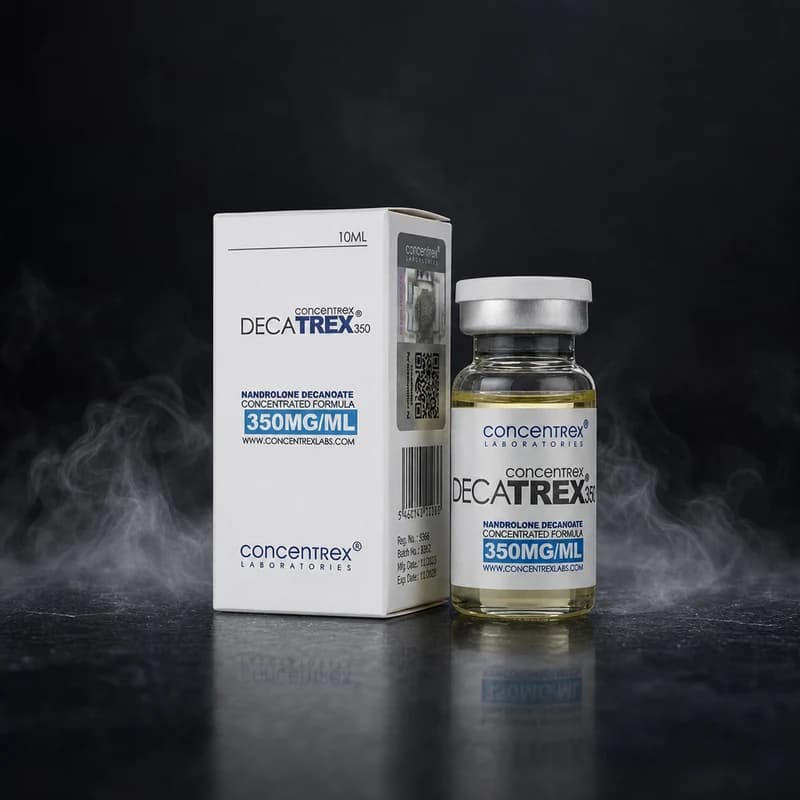
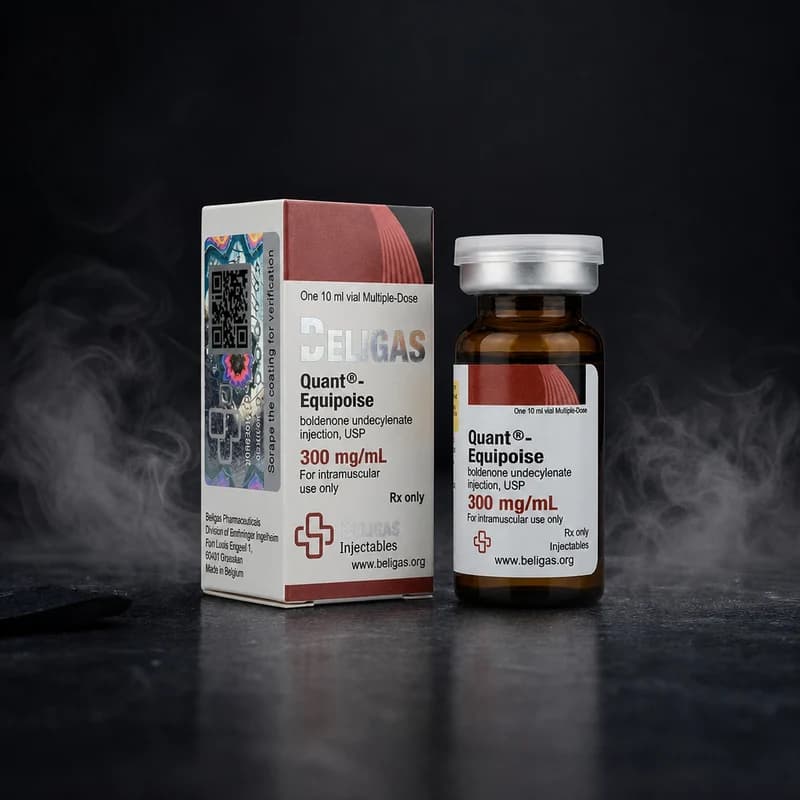
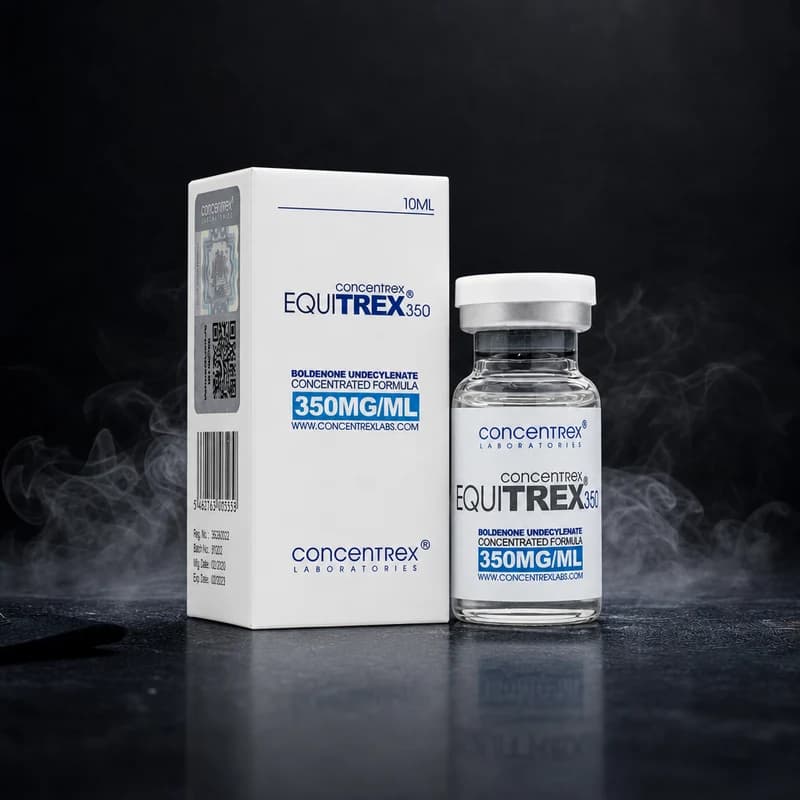
Contraindications: Nandro-D 250mg/ml is contraindicated in individuals with active prostate or breast malignancy, severe hepatic impairment, uncontrolled polycythaemia, or documented hypersensitivity to Nandrolone Decanoate or sesame/arachis oil carrier vehicles. Not indicated for use in women of reproductive age due to virilisation risk at any dose used in performance contexts.
Side_Effects: At professional weekly doses (400mg+), the most clinically relevant adverse effects include suppression of endogenous testosterone production (near-complete within 4–6 weeks), prolactin elevation with associated risk of libido suppression and galactorrhoea, haematocrit increase elevating cardiovascular risk, LDL/HDL lipid ratio deterioration, and potential exacerbation of androgenic alopecia in genetically predisposed individuals.
Monitoring: Mandatory blood panel frequency at professional doses: full hormonal panel (LH, FSH, total and free testosterone, oestradiol, prolactin) plus haematocrit, lipid profile, and hepatic enzymes at baseline, week 6, and week 12 of any cycle. Blood pressure should be self-monitored at minimum weekly. Cabergoline 0.25mg twice weekly is commonly used for prolactin control when confirmed elevation is documented on bloodwork.
PCT: Following a professional-dose Nandrolone Decanoate cycle, PCT initiation should be timed relative to the compound's clearance — typically 3 weeks after the final injection. A standard PCT framework employs a selective oestrogen receptor modulator (e.g. Nolvadex 40mg/day for 2 weeks then 20mg/day for 2 weeks) alongside an aromatase inhibitor if oestradiol rebound is confirmed by post-cycle bloodwork. LH/FSH recovery trajectories should be confirmed at 6 and 12 weeks post-PCT.

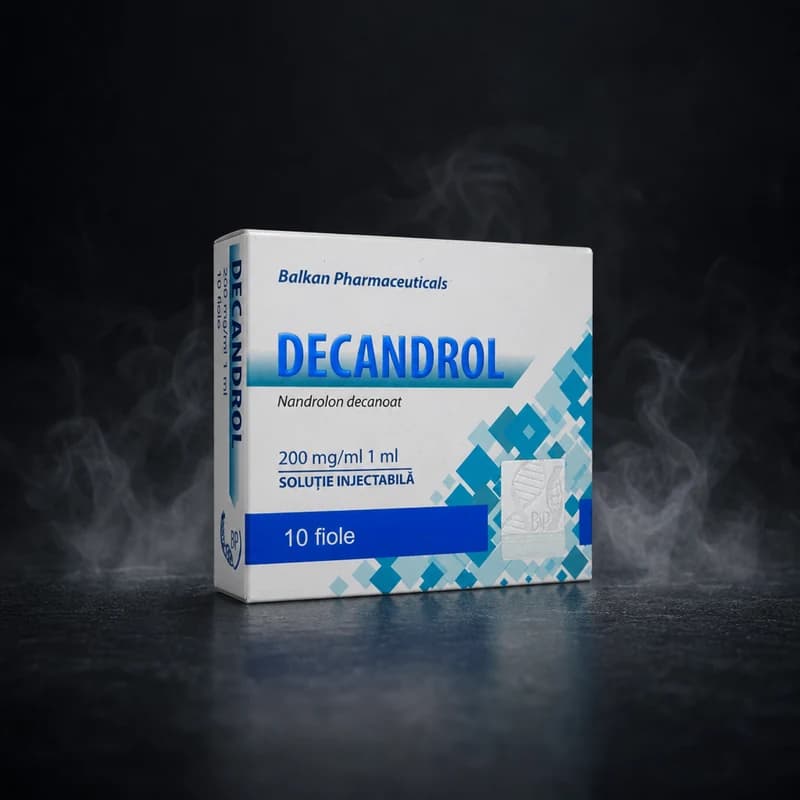 Established Brand