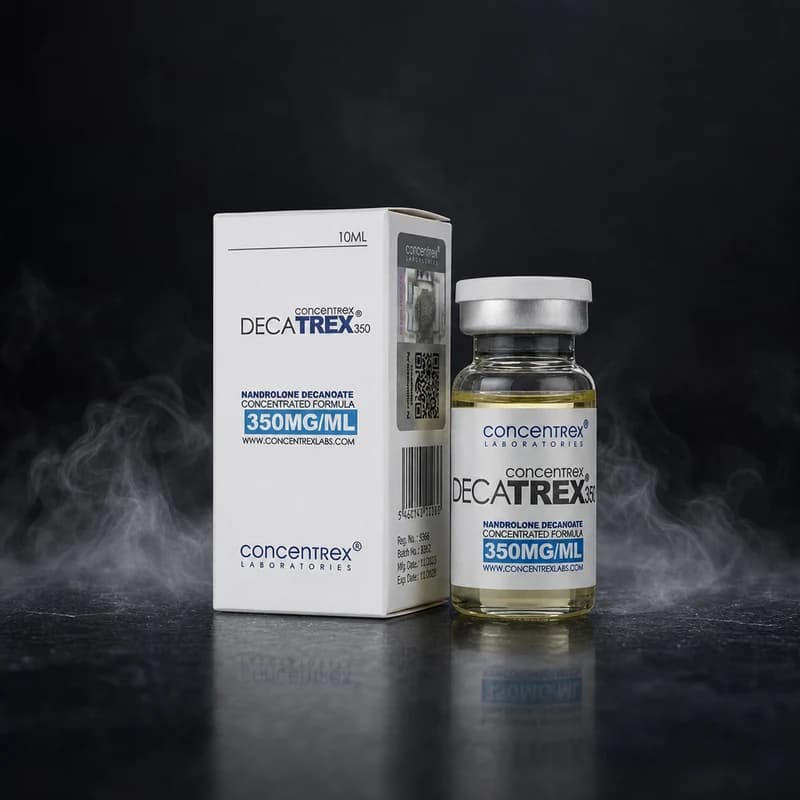
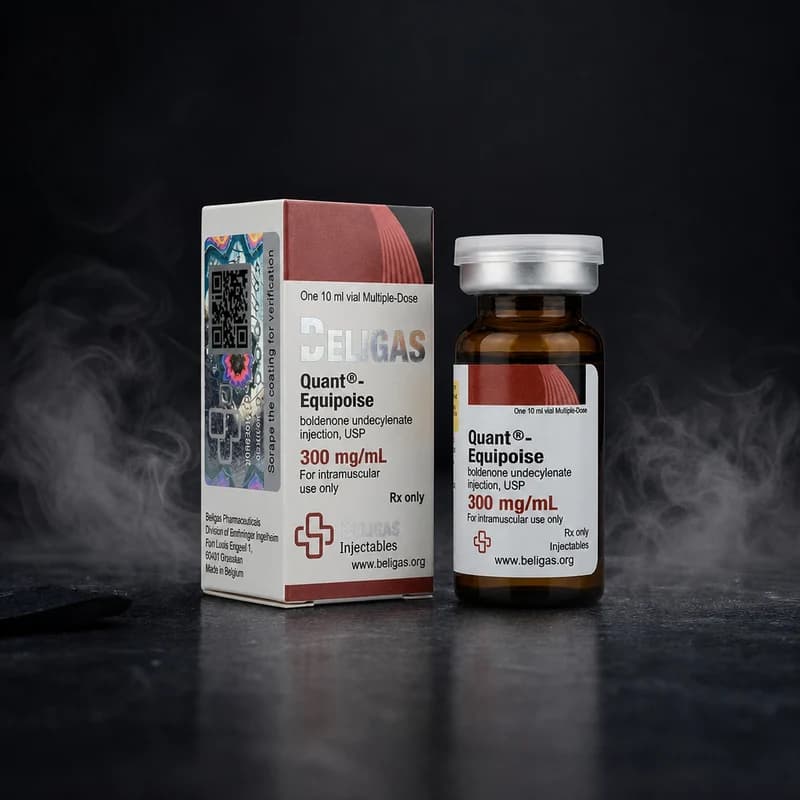
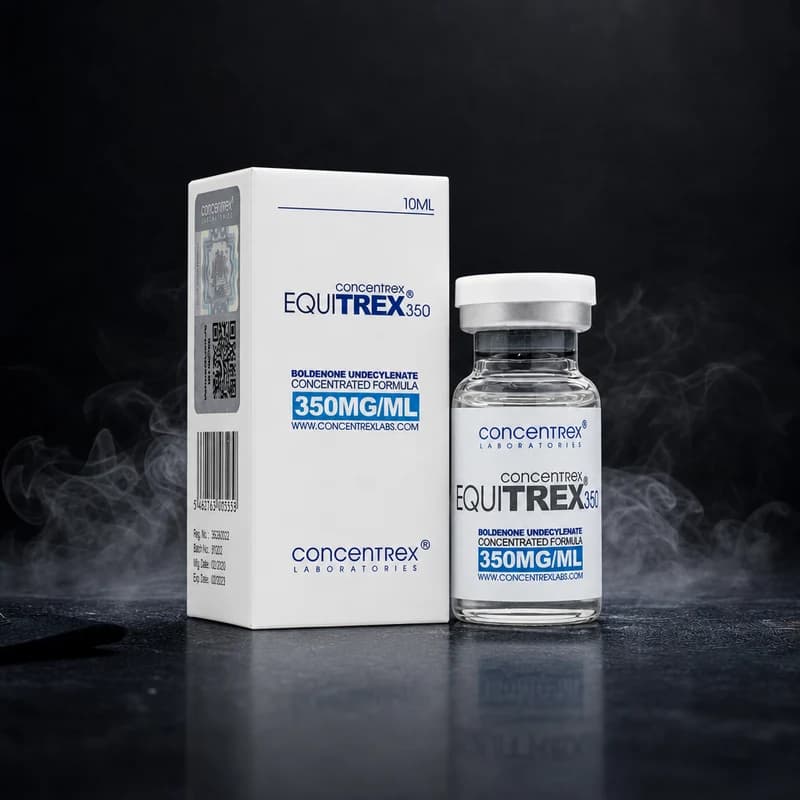
Contraindications: Nandro-D 200mg/ml is not suitable for individuals with diagnosed prostate carcinoma, breast carcinoma (male or female), nephrotic syndrome, hypercalcaemia, or known hypersensitivity to Nandrolone Decanoate or any component of the oil-based carrier system. Contraindicated during pregnancy and breastfeeding.
Side Effects: 19-nor androgens including Nandrolone Decanoate are associated with hypothalamic-pituitary-gonadal axis suppression, elevated serum prolactin (dose-correlated), HDL reduction measured by direct lipid assay, haematocrit elevation, and — in androgen-sensitive individuals — androgenic effects including acne and accelerated alopecia. Progestogenic activity may contribute to libido changes independent of testosterone suppression.
Monitoring: Blood panels covering serum testosterone, LH, FSH, prolactin, oestradiol, haematocrit, and a full lipid profile should be obtained at baseline, at week six to eight of a cycle, and at cycle close. Prolactin elevation above the upper reference limit warrants review of 19-nor compound dose before adding pharmacological intervention. Cabergoline is used by some practitioners; dosing must be guided by laboratory values rather than prophylactic convention.
PCT: Nandrolone Decanoate's extended active duration means PCT initiation timing must account for the compound's clearance trajectory. Most structured recovery protocols initiate SERM-based PCT no earlier than three weeks after the final Nandro-D injection. Baseline LH and FSH values guide PCT duration — recovery is confirmed by bloodwork, not by calendar alone.

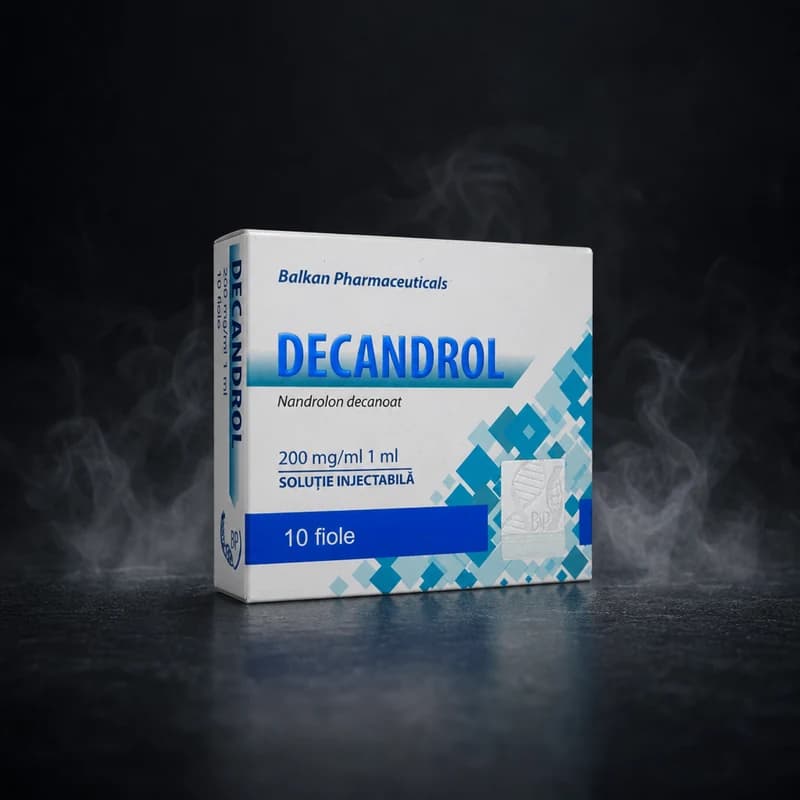 Established Brand