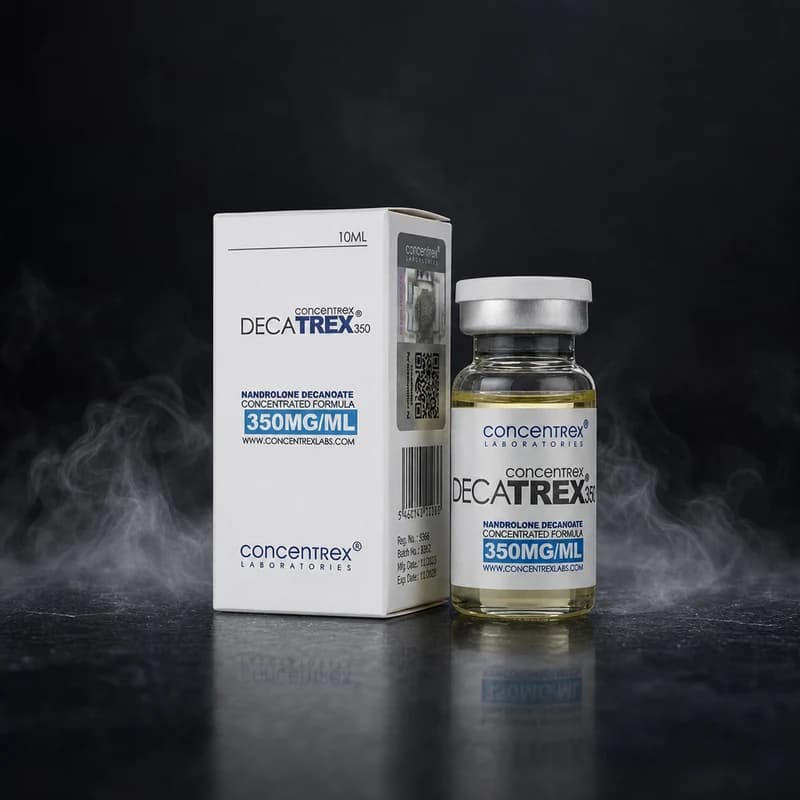
Contraindications: Nandro-D is contraindicated in individuals with diagnosed prostate or breast carcinoma, confirmed hypersensitivity to nandrolone or oil-based excipients including sesame derivatives, and in those presenting with acute or chronic hepatic dysfunction. This compound must not be administered to females of reproductive age owing to irreversible virilisation sequelae, nor to adolescents in whom epiphyseal closure is incomplete — exogenous androgens accelerate growth-plate fusion and can cause permanent height reduction in this population.
Side Effects: At the 200–300 mg/week contest-phase range, clinically relevant risks include prolactin elevation secondary to 19-nor progestogenic activity, suppression of the hypothalamic-pituitary-testicular axis with consequent endogenous testosterone decline, androgen-driven sebaceous gland hyperactivity, and injection-site reactions including localised induration. Cardiovascular risk parameters — specifically erythrocytosis, elevated haematocrit, and adverse LDL/HDL displacement — warrant active monitoring throughout the entire prep window rather than at isolated checkpoints.
Monitoring: A comprehensive baseline bloodwork panel is mandatory before the first injection and again at the midpoint of the contest prep cycle. Parameters to assess include serum prolactin, LH, FSH, total and free testosterone, haematocrit, hepatic transaminases (ALT/AST), and a full fasting lipid profile. Prolactin values rising above the laboratory reference ceiling during prep should prompt consideration of dopamine agonist support — cabergoline at low doses is the preferred agent — titrated against serial prolactin readings rather than administered prophylactically at a fixed dose.
PCT: Because Nandrolone Decanoate's decanoate ester produces a prolonged intramuscular depot, residual compound continues releasing for several weeks after the final injection. Post-cycle therapy using a SERM — tamoxifen citrate or clomiphene citrate — should not begin until at least three weeks following the last Nandro-D administration, ensuring that circulating nandrolone concentrations have meaningfully declined before HPTA stimulation is attempted. A structured four-to-six week SERM course, confirmed by bloodwork at its conclusion, validates whether endogenous androgen recovery is proceeding within an expected timeframe.

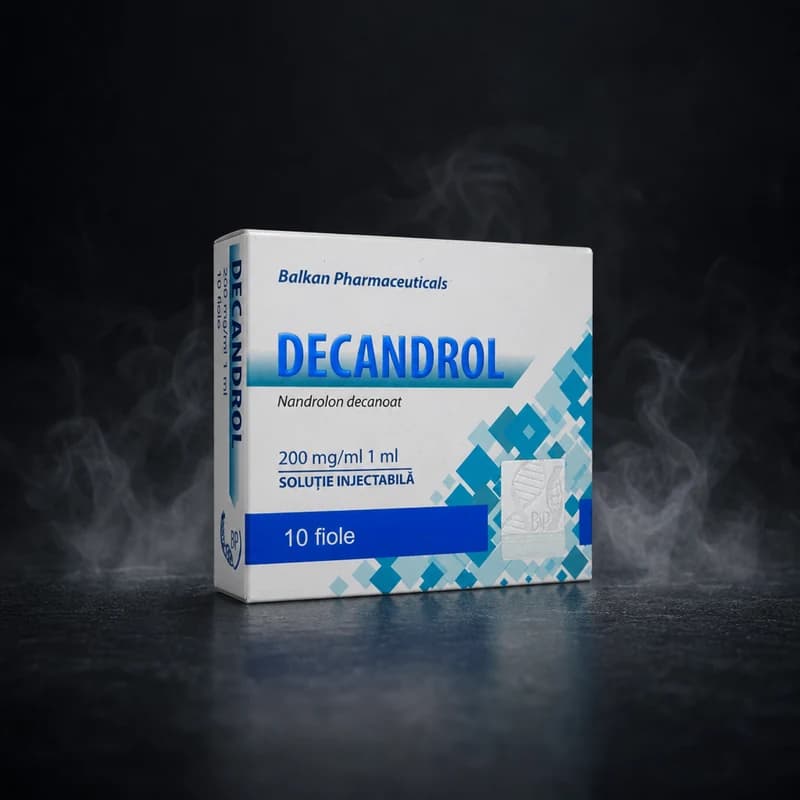 Established Brand