Melanotan 2: A Melanocortin Agonist With Three Mechanisms of Action Explained
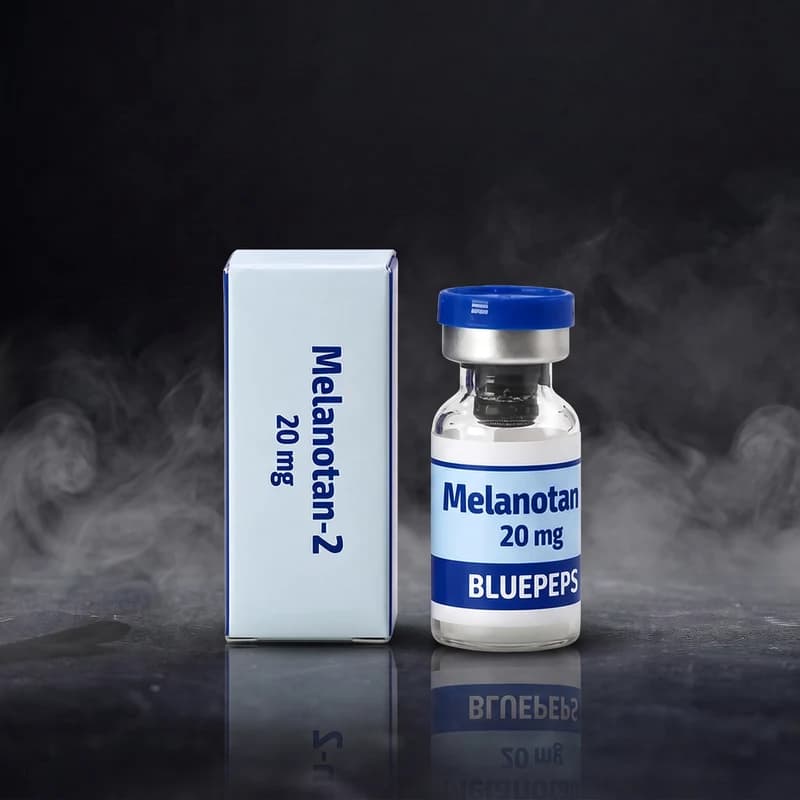
Melanotan 2 is a stabilised, cyclic synthetic analogue of the endogenous hormone α-MSH, engineered to bind melanocortin receptors with greater potency and a longer active half-life — estimated at 1–2 hours versus minutes for the native peptide — making it one of the few research compounds documented to influence pigmentation, central appetite regulation, and sexual function through a single molecular target class. Bio-Peptide's 10 mg lyophilised vial delivers this compound in a dry, stable form that retains integrity for extended periods when refrigerated.
How MT-2 Drives UV-Independent Tanning
MT-2 activates MC1R receptors located on dermal melanocytes, stimulating the production and redistribution of eumelanin — the brown-black pigment responsible for a natural-appearing tan. Compared to alpha-MSH itself, Melanotan 2 requires significantly lower doses to produce equivalent melanocyte stimulation, owing to its cyclic peptide structure which resists enzymatic degradation. Clinical tanning studies have documented visible pigmentation responses in Fitzpatrick skin types I–IV within two to four weeks of subcutaneous administration at doses ranging from 0.25 mg to 1 mg per injection. Minimal UV exposure during this loading phase amplifies the eumelanin response without the cumulative DNA damage of conventional sunbed use.
Central Effects: Libido Activation and Appetite Suppression
MT-2 acts on MC4R receptors in the hypothalamus to trigger two distinct central nervous system effects that set it apart from topical or UV-based tanning methods. First, hypothalamic MC4R activation initiates pro-erectile and pro-sexual signalling in both male and female subjects — a mechanism documented in pharmacological literature as early as Wessells et al. (1998). Second, the same hypothalamic MC4R pathway mediates appetite suppression by reducing caloric intake, a property that has attracted research interest independent of the compound's cosmetic applications. These dual central effects mean MT-2 influences body composition indirectly alongside its primary cosmetic role.
Quality Assurance: HPLC Identification and LAL Endotoxin Testing
Every Bio-Peptide MT-2 batch passes through two independent laboratory verification steps before release. HPLC (High-Performance Liquid Chromatography) analysis confirms sequence identity and purity percentage at the batch level, producing a certificate of analysis specific to that production run. A separate LAL (Limulus Amebocyte Lysate) endotoxin screen verifies that bacterial endotoxin levels fall within injection-grade safety limits. Both tests are conducted externally, not by internal QC staff, ensuring unbiased verification of every vial that reaches the end user.

 HPLC Verified