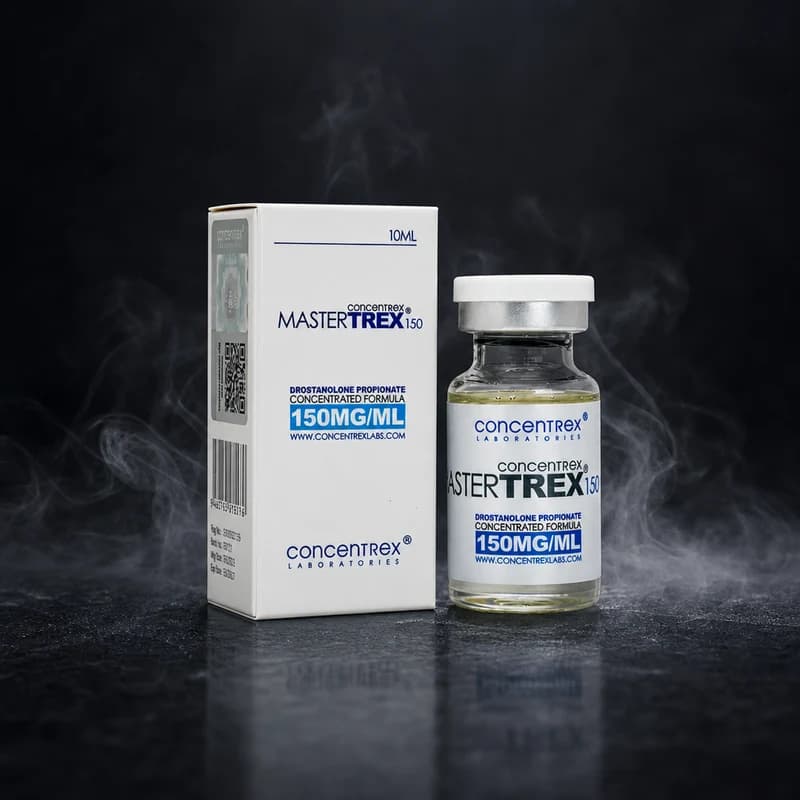
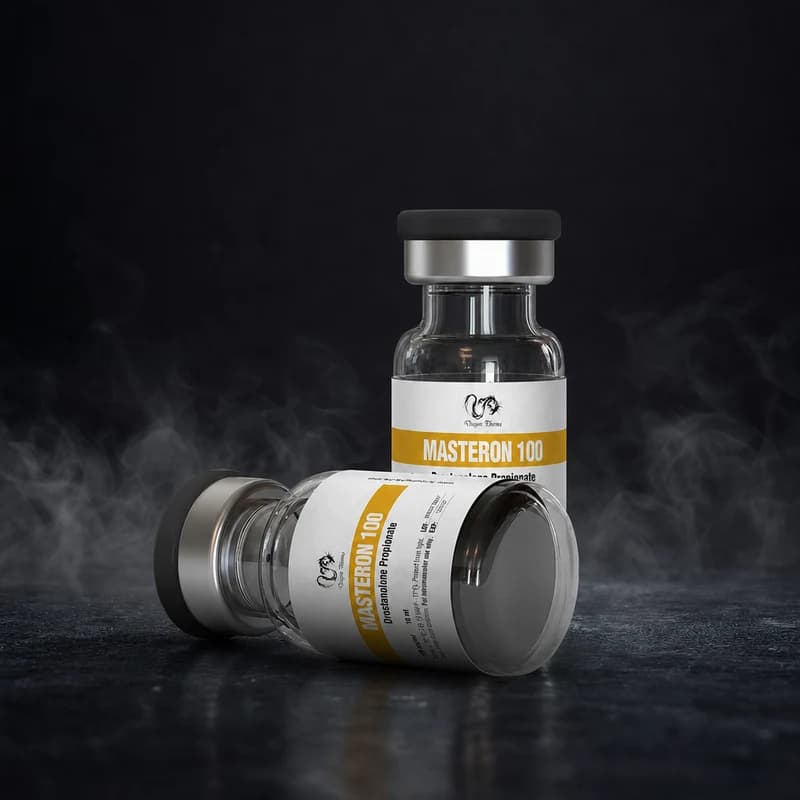
Contraindications: Do not use if you have existing androgen-sensitive conditions including prostate carcinoma, breast carcinoma, or severe hepatic impairment. Individuals with Type 1 diabetes or poorly controlled Type 2 diabetes should exercise particular caution given the compound's capacity to alter insulin sensitivity; medical supervision is mandatory in these cases.
Side Effects: Androgenic side effects — including accelerated scalp hair thinning in genetically predisposed individuals, acne, and elevated sebum production — are the primary concern. Unlike estrogenic compounds, fluid retention is not a feature; however, haematocrit elevation and LDL/HDL ratio shifts are documented and should be tracked via lipid panel. Virilisation risk in female users is significant and the compound is generally contraindicated for women.
Monitoring: Schedule blood work at baseline, mid-cycle (week four to six), and post-cycle. Minimum markers: testosterone (total and free), LH, FSH, fasting glucose, fasting insulin, lipid panel, and haematocrit. Given the assigned metabolic angle of this compound, fasting glucose monitoring every two weeks is a practical additional safeguard — particularly when combining with growth hormone or peptide secretagogues.
PCT: Because Drostanolone Propionate carries a short half-life (approximately 2–3 days confirmed by chromatographic urinary metabolite detection), endogenous testosterone suppression recovery can begin within five to seven days of the final injection. Standard PCT using a SERM — clomiphene or tamoxifen — commenced at that point provides adequate HPG-axis restimulation for most protocols.

 Optimal Dosage