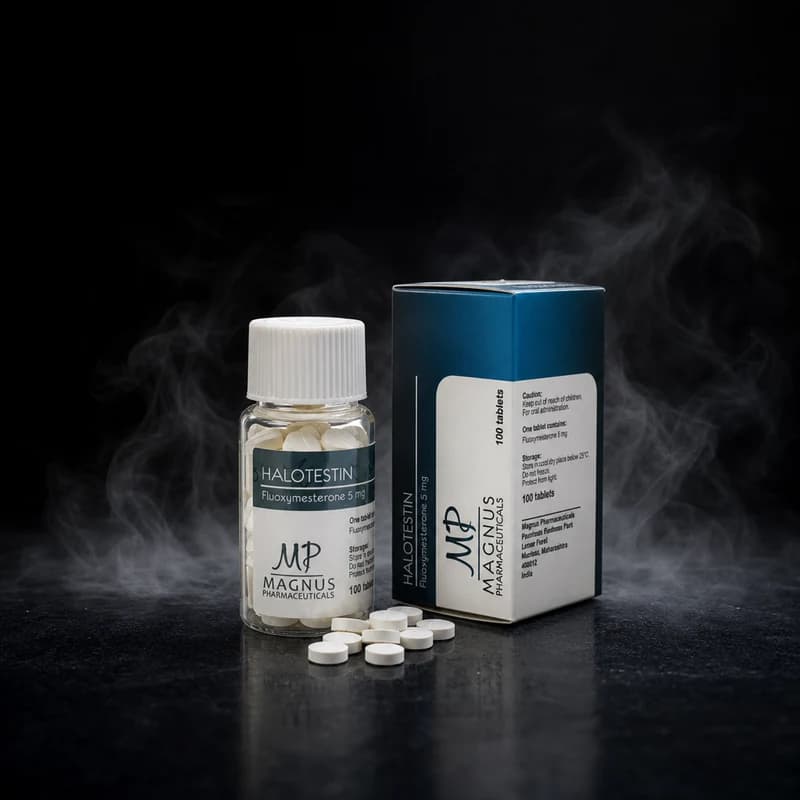
Contraindications: Fluoxymesterone is contraindicated in individuals with pre-existing hepatic impairment, diagnosed or suspected androgen-sensitive malignancy (prostate or breast), hypercalcaemia, nephrotic syndrome, or known hypersensitivity to any fluorinated steroid compound. Women of childbearing potential must not use this compound due to irreversible virilisation risk documented in clinical literature.
Side Effects: The high androgen receptor affinity of fluoxymesterone generates a correspondingly potent androgenic side-effect profile: accelerated androgenic alopecia in genetically predisposed users, sebaceous gland hyperactivity (acne), and marked suppression of the hypothalamic-pituitary-gonadal (HPG) axis detectable within days of initiation. Hepatotoxicity — characterised by elevated ALT, AST, and in prolonged use, cholestatic jaundice — is a class-specific risk of 17α-alkylated androgens. Polycythaemia (elevated haematocrit) may develop due to erythropoietic AR stimulation in bone marrow.
Monitoring: Baseline and on-cycle liver function panels (ALT, AST, bilirubin, ALP) are mandatory — schedule at Day 0, Week 2, and end-of-cycle. Haematocrit and haemoglobin should be measured at the same intervals given fluoxymesterone's documented erythropoietic activity. Lipid profiles (LDL/HDL ratio) require monitoring, as potent androgens suppress HDL cholesterol via hepatic lipase induction.
PCT: Due to rapid and pronounced HPG axis suppression attributable to strong AR-mediated negative feedback, post-cycle therapy must begin within 24–48 hours of the last dose. A SERM-based protocol — typically Clomiphene 50 mg/day for 4 weeks or Tamoxifen 20 mg/day for 4–6 weeks — is indicated to restore endogenous LH and FSH signalling. HCG may be incorporated in the final week of the active cycle to preserve Leydig cell sensitivity prior to SERM initiation.

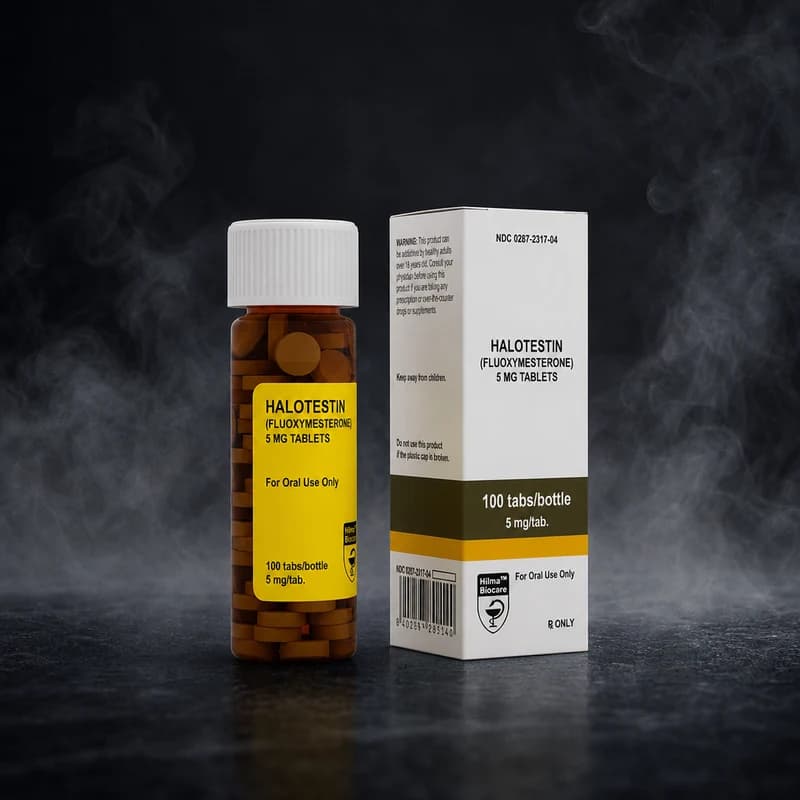 HPLC Verified