Androgen Receptor Binding: The Molecular Foundation of Nandrolone's Anabolic Profile
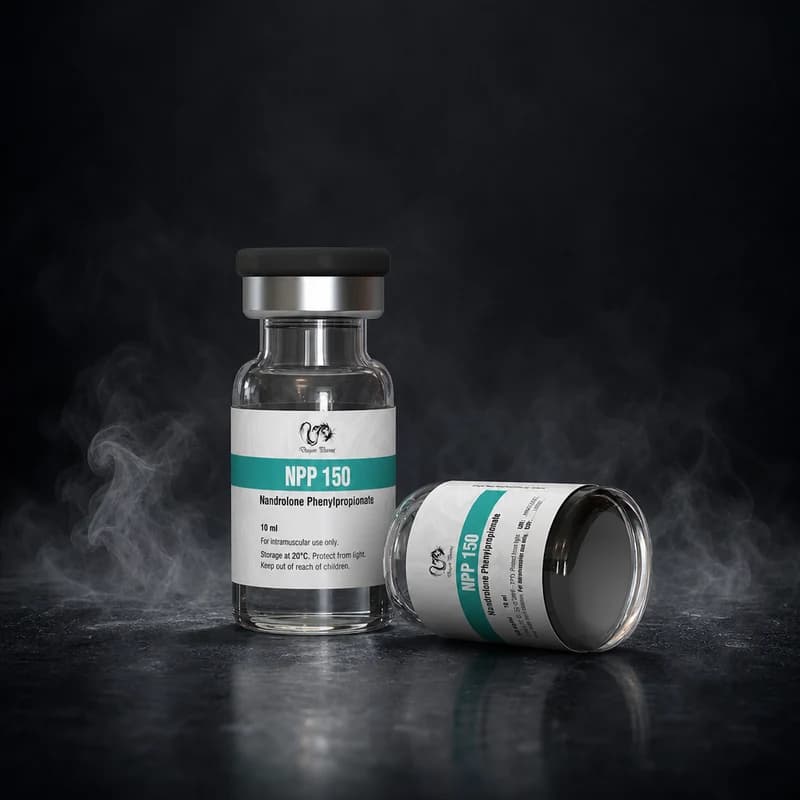
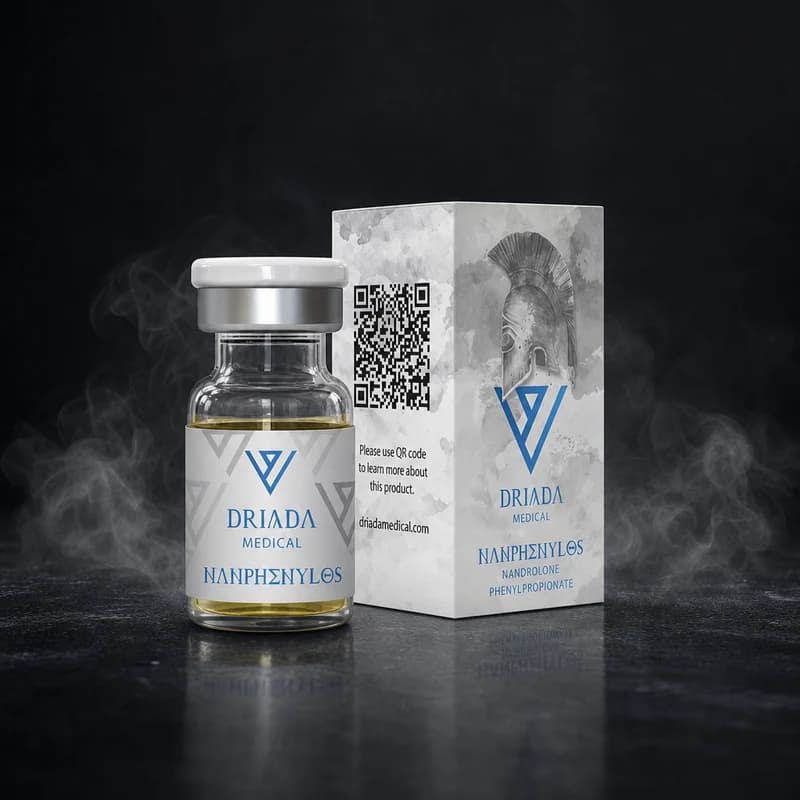
Duraxyl 100 delivers nandrolone phenylpropionate — a 19-nor androgen whose anabolic character originates not from general hormonal stimulation but from a structurally specific interaction with the androgen receptor (AR) at the ligand-binding domain. Nandrolone binds the AR with a relative binding affinity (RBA) measured at approximately 1.8–2.2× that of testosterone in competitive radioreceptor assays, a figure that reflects the influence of the missing 19-methyl group on ligand-receptor geometry. This tighter docking produces a more stable receptor–ligand complex, extending the transcriptional activation window at muscle, bone, and erythroid progenitor cells.
19-Nor Architecture and Its Consequences for Downstream Signalling
Nandrolone belongs to the 19-nortestosterone chemical lineage, meaning the angular methyl group at carbon-19 is absent — a structural feature that has two pharmacologically significant downstream effects. First, the compound is a poor substrate for 5α-reductase: where testosterone is readily converted to the highly androgenic dihydrotestosterone (DHT) in scalp, skin, and prostate tissue, nandrolone undergoes 5α-reduction to dihydronandrolone (DHN), a metabolite with substantially lower AR affinity in those peripheral tissues. Second, the 19-nor scaffold alters progestin receptor interaction — nandrolone demonstrates measurable progestogenic activity (approximately 20% of progesterone's potency at the progesterone receptor in receptor competition assays), which users and practitioners should account for when constructing multi-compound protocols.
Receptor Selectivity Compared to Testosterone and DHT
The practical consequence of nandrolone's receptor pharmacology is a tissue-selective anabolic signal. Muscle tissue, which expresses both AR and relatively lower 5α-reductase activity, receives a strong receptor-mediated anabolic stimulus. Androgen-sensitive peripheral tissues — where 5α-reductase converts testosterone to the potently androgenic DHT — are comparatively less stimulated by nandrolone because DHN, its local metabolite, is a weaker AR activator than DHT. This selectivity index makes Duraxyl 100 a compound where the anabolic-to-androgenic ratio observed in clinical pharmacology is mechanistically explicable, not merely empirical. Kalpa Pharmaceuticals' New Formula Duraxyl 100 provides 100mg/ml concentration verified by HPLC-UV chromatography per lot, ensuring the delivered dose matches the receptor-binding pharmacology described above.
Phenylpropionate Ester and Receptor Activation Kinetics
The phenylpropionate ester governs how quickly free nandrolone reaches systemic circulation after injection, which in turn determines when AR occupancy at target tissues becomes pharmacologically meaningful. Esterase-mediated hydrolysis at the oil depot converts the pro-drug to free nandrolone over a release window that supports functional plasma concentrations across a 3–4 day dosing interval — permitting twice- or three-times-weekly administration to sustain continuous AR engagement without the concentration troughs associated with longer-acting esters.

 Fast Acting